





From Formal to Fun: The Old Rules No Longer Apply
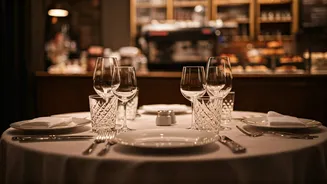
There was a time when a significant meal out meant one thing: fine dining. It was a world of crisp white linens, a formidable collection of cutlery, hushed conversations, and a certain formal service style. This was the accepted pinnacle of dining, reserved
for major celebrations and corporate accounts. But a quiet revolution has been reshaping the culinary landscape of Indian metro cities. Today's diner, particularly millennials and Gen Z, is rewriting the rules. They are trading the rigid structure of traditional fine dining for something more fluid, more personal, and infinitely more relaxed. The focus has shifted from mere eating to a holistic experience, one that engages all the senses and feels authentic and immersive. Eating out is no longer just for special occasions; it has become a regular social activity, and the venues need to match this more frequent, casual, and experience-driven demand.
So, What Exactly Are 'Good Vibes'?
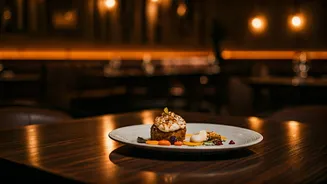
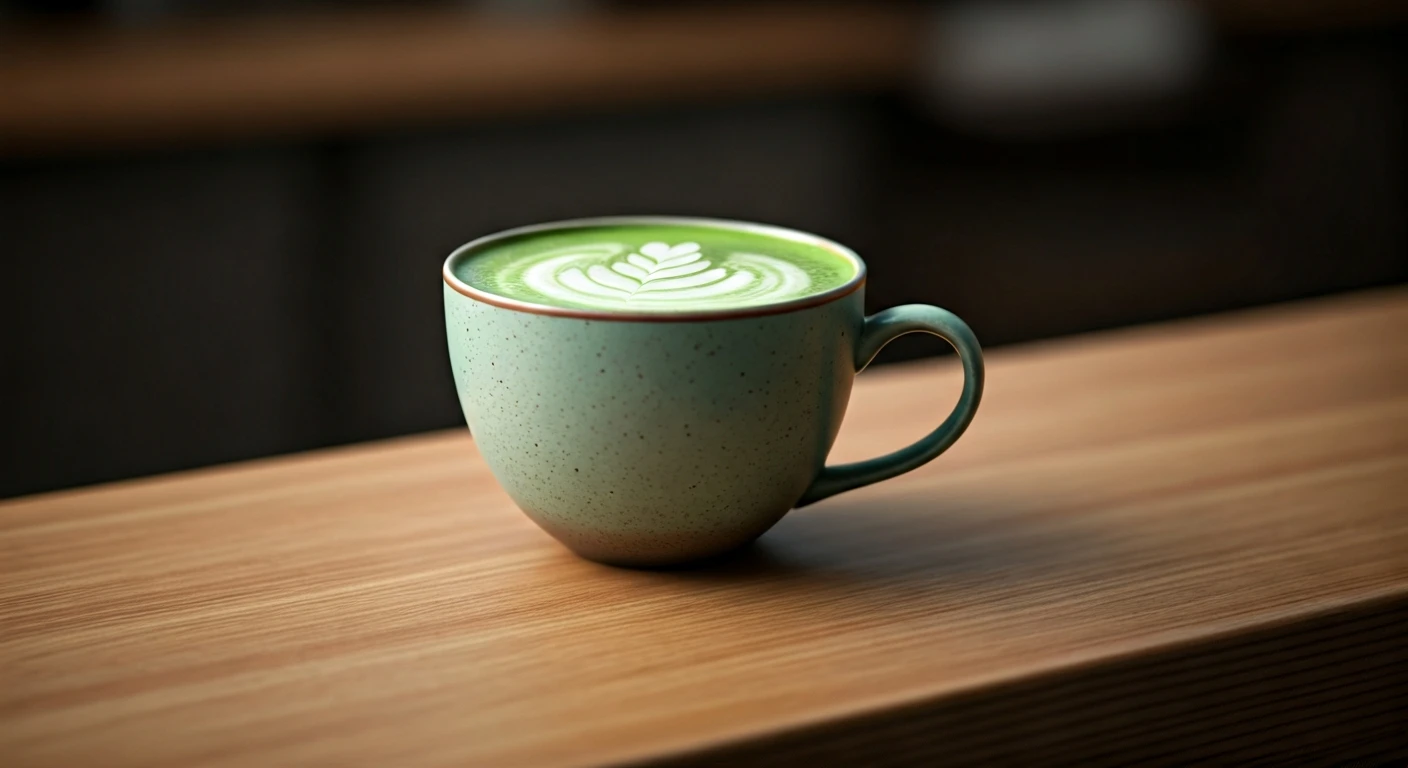
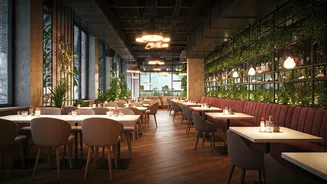
“Good vibes” isn’t just a fleeting phrase; it’s a comprehensive new benchmark for dining. The term encapsulates everything beyond the plate: the ambience, music, lighting, decor, and even the service style. It’s about creating a space that is not just a restaurant but a curated emotional journey. Think of thoughtfully designed interiors with Instagrammable corners, playlists that shape the mood, and a service style that is warm and welcoming, not stiff and overbearing. Social media plays a huge role in this, with diners often beginning their experience online long before they arrive. A unique, aesthetically pleasing environment is more shareable, more personal, and ultimately, more memorable. Restaurateurs have noted that today, they are not just selling a dish, but a memory that encourages loyalty and repeat business.
The Rise of 'Upscale Casual'
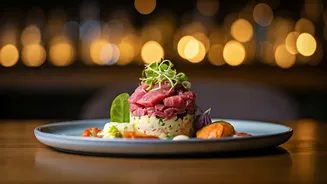
This shift doesn't mean a compromise on quality. On the contrary, a new category of 'upscale casual' dining is booming, offering high-quality, chef-driven food in a relaxed, informal setting. Top chefs, once confined to the kitchens of five-star hotels, are now opening their own accessible, casual eateries, bringing innovative and high-quality food to a wider audience without the intimidating formality. This trend blends global techniques with authentic, often hyperlocal, Indian flavours, responding to a diner who is well-travelled, experimental, and eager for new experiences. This sweet spot combines the quality assurance of fine dining with the comfort and affordability of a casual setting, making it the perfect choice for the modern Indian diner who wants the best of both worlds.
It's Also About the Economics
The preference for casual dining is also rooted in simple economics. For diners, especially the younger demographic, experiential dining at a more accessible price point offers better value for money. Spending on experiences like travel and dining is outpacing spending on physical goods, and casual dining fits perfectly into this lifestyle-driven economy. From the restaurateur's perspective, the high overheads, intense staffing requirements, and immense pressure associated with traditional fine dining make it a challenging business model. In contrast, the casual dining segment is the fastest-growing part of the organised food services sector in India, holding a 48% market share. Its flexibility, broader appeal, and more sustainable cost structure make it a more attractive and resilient business proposition in a competitive market.