






What Exactly Is a Cloud Kitchen?
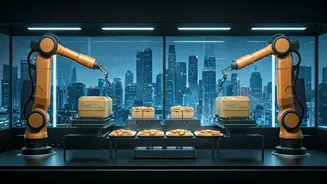
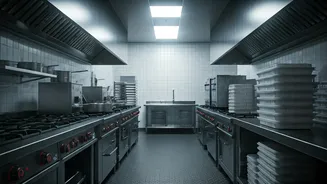
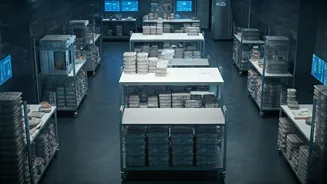
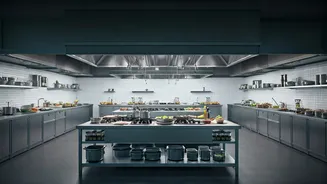
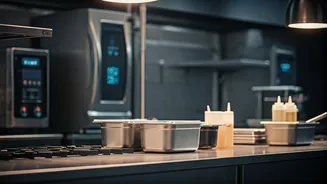
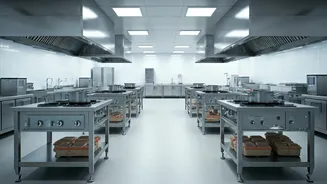
A cloud kitchen—also known as a ghost kitchen, virtual restaurant, or dark kitchen—is a food production facility built exclusively for delivery. [6, 7] There's no storefront, no seating, and no waitstaff. Instead, these establishments operate out of commercial
or shared kitchen spaces, focusing solely on preparing food for orders that come in through online platforms. [3, 7] This model strips a restaurant down to its essence: the kitchen. By eliminating the dine-in component, entrepreneurs can launch food brands with significantly lower overhead costs compared to a traditional brick-and-mortar restaurant. [14, 15] The India cloud kitchen market was valued at USD 1.24 billion in 2025 and is forecast to reach USD 3.69 billion by 2034, growing at a rate of 12.28% annually. [2]
The App-etite for Growth: How Delivery Platforms Became Kingmakers
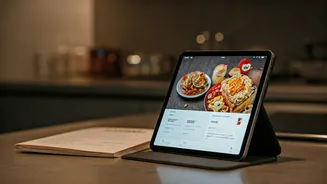
The meteoric rise of cloud kitchens is directly tied to the explosive growth of food delivery platforms like Zomato and Swiggy. [11, 17] These apps act as the digital storefront, marketing engine, and logistics network all in one, providing cloud kitchens with immediate access to a massive customer base. [14] With millions of users browsing for their next meal, these platforms have created a ready-made demand pipeline. [8] This symbiotic relationship has reshaped India's food industry. [20] Delivery apps provide the orders and the delivery fleet, while cloud kitchens provide the diverse and rapidly scalable supply. Some aggregators even offer 'Kitchen-as-a-Service' models, providing fully equipped kitchen spaces to restaurant partners, further lowering the barrier to entry. [3, 9, 16]
The Business Case: Lower Costs, Higher Agility
The primary appeal of the cloud kitchen model is its financial efficiency. Launching a traditional restaurant in a metro city can require an initial investment of ₹50-70 lakh, largely due to high real estate and interior costs. [8] A cloud kitchen can be established for 40-60% less. [8] By operating from non-prime locations, owners save on rent. [15] With no front-of-house, staffing costs are also significantly reduced. This lean structure allows for greater agility. A single kitchen can house multiple 'virtual brands,' each with its own distinct cuisine and listing on delivery apps. [5, 7] For example, one kitchen could operate a pizza brand, a biryani brand, and a health food brand simultaneously, maximizing the use of its resources and catering to diverse consumer tastes. [7, 16]
Data on the Menu: The Power of Digital Insights
Beyond just providing orders, delivery platforms offer a treasure trove of data. App companies can analyse ordering patterns to understand what cuisines are in demand in specific neighbourhoods, at what times, and at what price points. [9, 18] This information is invaluable for cloud kitchen operators. [11] They can use these insights to design menus, forecast demand for ingredients, and even launch new brands tailored to hyperlocal trends. [4, 9] In recent years, many kitchens have begun using AI to predict demand based on factors like weather, festivals, or even cricket matches, allowing them to optimize stock and reduce food waste. [4, 7] This data-driven approach allows cloud kitchens to be incredibly responsive to the market in a way traditional restaurants often cannot. [4]
Challenges in a Crowded Digital Space
Despite the advantages, the path to success is not without hurdles. The low barrier to entry has created intense competition. [20] A major challenge is building brand visibility and customer loyalty without a physical presence. [20] Marketing is confined to the digital realm, making kitchens heavily dependent on their rankings and reviews on aggregator platforms. [15] This dependency also extends to commissions, which can significantly eat into profit margins, which typically range from 20% to 40% for a well-run operation. [15, 20] As the market matures, operators who can build a strong brand identity, maintain consistent food quality, and manage operational efficiencies will be the ones who thrive in this evolving digital-first food landscape. [4, 20]