
Decoding the Global Nutrition Message
The latest flagship UN report, 'The State of Food Security and Nutrition in the World 2026' (SOFI), paints a complex picture. While global hunger has modestly declined for the third consecutive year, the report underscores a critical challenge: the rising
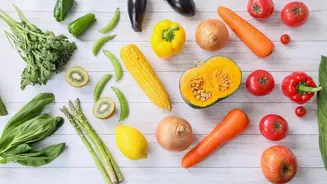
cost of a truly healthy diet is putting it out of reach for billions. According to the findings, an estimated 2.7 billion people worldwide cannot afford a diet that provides the necessary nutrients for a healthy life. The report’s core message isn’t about specific magical ingredients, but about a fundamental principle: dietary diversity. It stresses the importance of making nutrient-dense foods—like fruits, vegetables, and proteins—more affordable and accessible to everyone, a goal that gets lost when the focus shifts to niche, high-cost products.
The 'Premium Ingredient' Myth
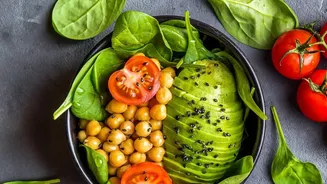
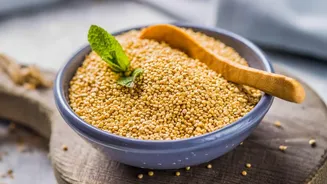
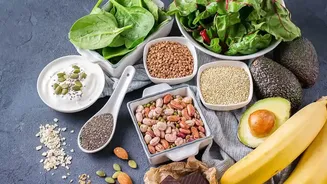
So, what are these 'premium ingredients' that dominate health blogs and supermarket shelves? Think quinoa, avocados, kale, chia seeds, and imported berries. These foods have gained a reputation as nutritional powerhouses, often backed by savvy marketing that positions them as essential for a healthy lifestyle. While they certainly contain valuable nutrients, they are by no means irreplaceable. The belief that health is tied to these specific, often expensive, items is a modern myth. Research suggests consumers often incorrectly associate a greater number of 'healthy' sounding ingredients with better nutritional quality, a bias that marketing can easily exploit. The real key to good nutrition lies not in the novelty or price of an ingredient, but in its nutrient density—how many vitamins, minerals, and other beneficial compounds it provides for its caloric cost.
India's Powerhouse Pantry
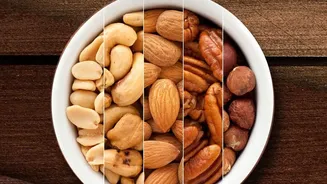
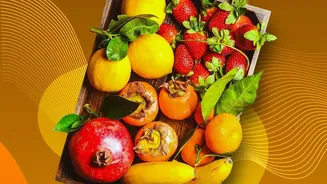
Fortunately, you don’t need to look far for nutrient-dense champions. The traditional Indian pantry is already stocked with affordable 'superfoods' that deliver exceptional value for money. Instead of expensive quinoa, local millets like bajra, jowar, and ragi offer superior or comparable fibre, protein, and micronutrients at a fraction of the cost. Common leafy greens such as spinach (palak), fenugreek (methi), and amaranth (chaulai) are packed with iron and vitamins, easily rivalling the nutritional profile of kale. For protein, dals, chickpeas (chana), and kidney beans (rajma) are incredibly cost-effective and form the backbone of a healthy diet. Local and seasonal fruits like guava, amla, and bananas provide abundant vitamins and antioxidants without the high price and carbon footprint of imported berries. Even something as simple as peanuts or homemade curd offers a powerful punch of protein, healthy fats, and probiotics.
Building a Healthy Plate on a Budget
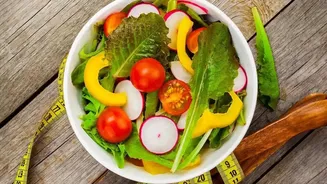
The UN report's focus on affordability is a call to return to basics. Eating well is about smart choices, not a big budget. Start by prioritising seasonal vegetables and fruits; they are not only cheaper but also at their nutritional peak. Embrace the diversity of traditional Indian grains and pulses—they are filling, nutritious, and sustainable. Planning your meals is a simple yet effective strategy to ensure you are getting a balanced intake of protein, carbohydrates, and fats while minimising waste and expense. A simple home-cooked meal of dal, roti, and a seasonal vegetable (sabzi) is a masterclass in balanced, affordable nutrition that far surpasses most processed or restaurant foods. The goal is to focus on whole, unprocessed foods that have nourished generations, rather than chasing the next expensive trend. True wellness is found in the everyday, not the exclusive.