



What Exactly Is 'Lived-In'?
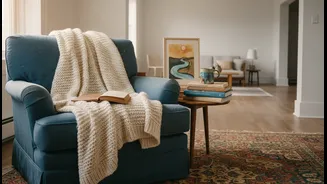
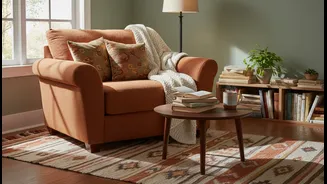
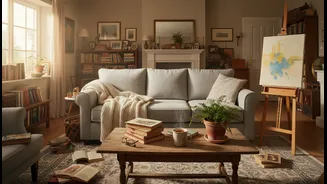
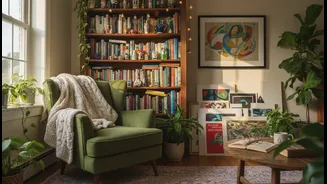
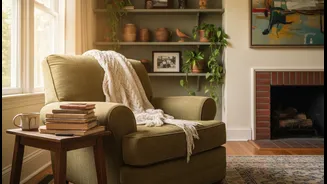
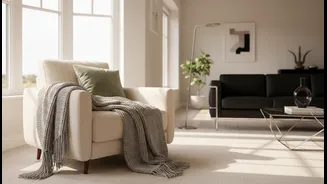
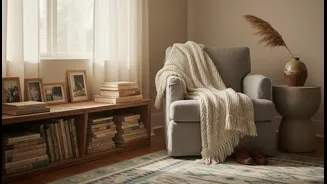
The lived-in look is less a prescriptive style and more a philosophy. It champions spaces that have evolved naturally over time. Think of gently creased linen, slightly worn wooden furniture, and books stacked casually instead of being perfectly styled.
It’s a move away from untouchable, showroom-like spaces towards something that feels personal and authentic. The core idea is that a home should tell the story of the people who live there through their collected art, inherited furniture, and personal mementos. It's not about mess or clutter, but about intentional layering, where every object has earned its place and contributes to a feeling of warmth and history.
A Welcome Backlash Against Perfection
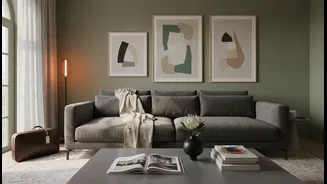
The rise of the lived-in aesthetic can be seen as a direct reaction to the years dominated by stark minimalism and the pressure to create an 'Instagrammable' home. While minimalist spaces can be calming and beautiful, they can also feel cold, impersonal, and stressful to maintain. The lived-in trend, along with its bolder cousin 'meaningful maximalism,' offers a warmer, more expressive alternative. It's a permission slip to stop chasing an unattainable ideal and instead focus on creating a space that genuinely nurtures well-being. People are tired of generic restraint and are craving interiors with personality and soul.
The Psychology of a Comfortable Home
The appeal of a lived-in home goes beyond aesthetics; it's deeply rooted in psychology. Our surroundings have a significant impact on our mental state. Environments that feel personal, safe, and comfortable can reduce stress and promote a sense of calm. By personalising a space with meaningful items like family photos or travel souvenirs, we foster a deeper sense of belonging and emotional connection. A lived-in home becomes a sanctuary, a place for relaxation and reflection, rather than a stage for performance. The very act of surrounding ourselves with objects that tell our story reinforces our identity and makes a space feel uniquely ours.
How to Cultivate That Lived-In Charm
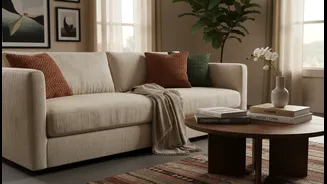
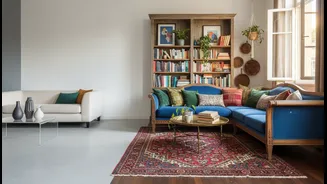
Embracing the lived-in look isn't about following a set of rules, but there are principles to guide you. Prioritise comfort by choosing furniture that invites you to relax. Mix old and new pieces—an antique table paired with modern chairs, for example—to create a sense of history and evolution. Layer textures like wool, linen, and velvet to add warmth and depth. Above all, be patient. A truly lived-in home is built over time through a process of 'slow decorating,' where you intentionally choose meaningful pieces that tell a story rather than chasing fleeting trends. It’s about curating with care, not just accumulating stuff.
A Home That Ages Gracefully
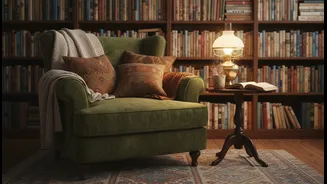
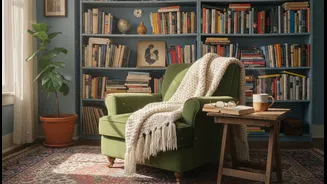
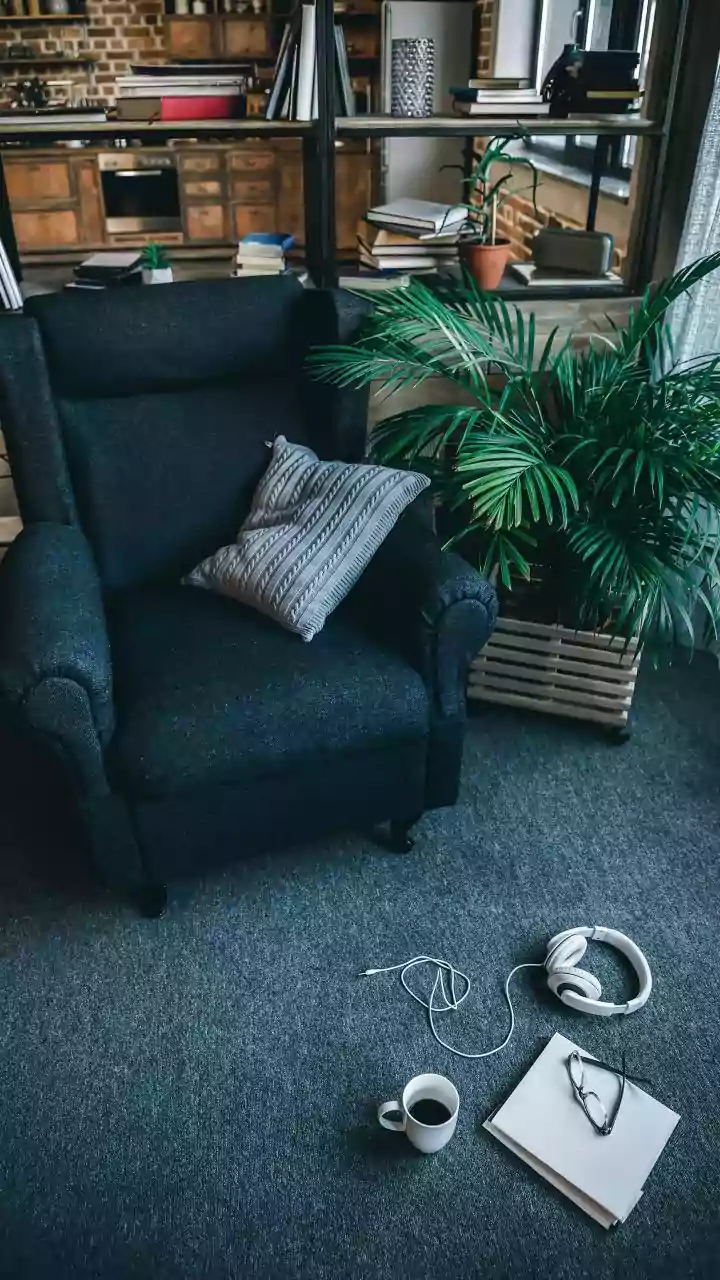
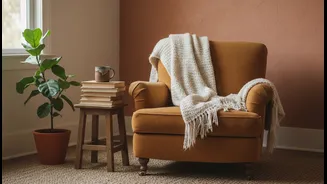
Ultimately, the lived-in approach is about creating a home that is as forgiving as it is beautiful. It allows for imperfection—the slightly askew rug, the stack of records next to the sofa, the well-loved armchair. This style isn’t afraid of use; in fact, materials that age well, like leather that patinas or wood that wears, are celebrated for showing signs of life. By choosing quality over novelty and personality over polish, you create a space that not only reflects who you are today but can also evolve with you for years to come. It’s a trend worth saving because it’s not really a trend at all—it’s just a return to making our homes feel like home.