








What Is El Niño and Why It Matters
El Niño, which means "the little boy" in Spanish, is a naturally occurring climate pattern. It's characterized by the unusual warming of surface waters in the central and eastern Pacific Ocean. While it originates far from India, its effects ripple across
the globe, significantly disrupting weather systems. For India, El Niño is often associated with a weaker southwest monsoon, leading to reduced rainfall and higher temperatures. Recent forecasts from global agencies have confirmed that El Niño conditions are present and expected to strengthen, raising concerns about below-normal rainfall across parts of the Indian subcontinent. This can mean a season of extremes: prolonged dry spells in some regions and, paradoxically, short bursts of very heavy, intense rainfall in others.
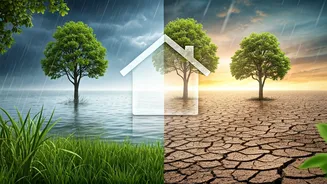
The Dual Threats: Drought and Deluge
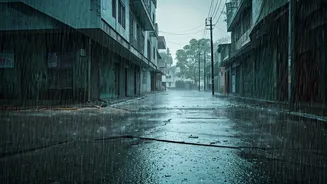
The primary risks to Indian homes from an El Niño event stem from water—either too little or too much. A weaker monsoon can lead to drought conditions, which poses a unique set of problems. As the soil around a house dries and shrinks, it can shift and cause the foundation to settle or crack. Tree roots, desperate for moisture, can also become more aggressive, potentially damaging underground plumbing. On the other end of the spectrum, El Niño can contribute to more erratic rainfall. Instead of steady, season-long showers, we may see intense downpours that overwhelm drainage systems, leading to localized flooding. This sudden influx of water can cause significant damage, from leaky roofs and flooded basements to compromised electrical systems and weakened structures.
Fortifying Your Home Against Water Damage
Proactive maintenance is the best defence against water-related issues. Start with a thorough inspection of your home's exterior. Check the roof for any cracked or missing tiles and seal any visible gaps. Gutters and drains are your home's first line of defence against heavy rain, so ensure they are completely clear of leaves, dust, and other debris that could cause a blockage. Look for cracks in exterior walls and consider applying a fresh coat of waterproof paint, especially if it has been several years. Inside, move valuable electronics away from windows and areas prone to dampness. Using surge protectors for expensive appliances like TVs and refrigerators is also a wise move, as monsoon-related power fluctuations are common.
Preparing for a Drier Reality
Preparing for drought requires a different mindset, focused on water conservation and structural stability. One of the most critical but often overlooked tasks is watering your home's foundation during prolonged dry spells. Keeping the soil lightly and consistently moist with a soaker hose can prevent it from shrinking and shifting. Indoors, now is the time to fix any leaky faucets or pipes; even a small drip can waste thousands of litres of water over a year. Installing low-flow fixtures can also significantly reduce your household's water consumption. From a safety perspective, dry conditions elevate fire risk. Keep your property clear of dry leaves and dead branches, and ensure tall shrubs are trimmed back from the house.
Reviewing Plans and Paperwork
Beyond physical preparations, El Niño is a prompt to get your household's administrative affairs in order. Review your home insurance policy to understand exactly what is covered. Many standard policies may not cover gradual damage like foundation settling from drought, so it's crucial to know your coverage limits before a disaster strikes. Assemble a household emergency kit with essentials like a torch, spare batteries, a first-aid box, necessary medications, and some non-perishable food and clean water. Finally, create a simple family emergency plan. Decide on a meeting place and ensure everyone knows key contact numbers. Storing digital copies of important documents like your Aadhaar card, insurance papers, and property deeds on a secure cloud drive is an excellent modern-day precaution.