





The Allure of Simpler Solutions
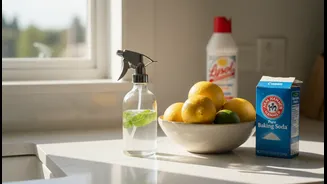
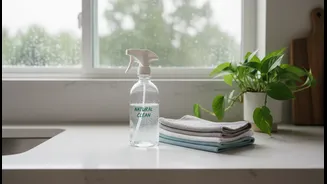
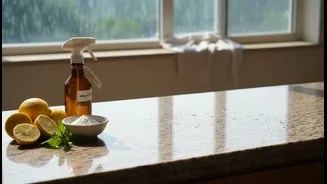
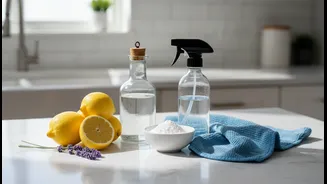
Walk down any cleaning aisle, and you’re faced with a dizzying array of specialised products. It’s no wonder many people are turning back to basics. The appeal of natural cleaners like white vinegar, baking soda, and lemon juice is strong. They are inexpensive,
readily available, and free from the complex chemical compounds and strong fragrances found in many commercial products. This trend is driven by a desire for a healthier home environment, reduced environmental impact, and the simple satisfaction of using ingredients you can actually pronounce. For many everyday messes, these staples work wonders. Baking soda is a gentle abrasive perfect for scrubbing sinks and stovetops, while the acetic acid in vinegar is great for cutting through grease and dissolving mineral deposits from hard water. They have earned their place in the modern cleaning toolkit.
Cleaning, Sanitizing, and Disinfecting: What's the Difference?
To understand the limits of natural cleaners, it's essential to know the difference between three key terms. According to public health bodies like the CDC, these are distinct actions.
Cleaning is the physical removal of dirt, grime, and some germs from a surface. This is usually done with soap and water and is a critical first step because disinfectants can be less effective on dirty surfaces.
Sanitizing reduces the number of bacteria on a surface to a level considered safe by public health standards. It doesn't necessarily kill all viruses.
* Disinfecting uses chemicals to kill a wide range of germs, including bacteria and viruses, on a surface. This is the highest level of germ-killing for household use.
The Limits of Natural Cleaners
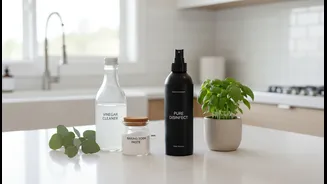
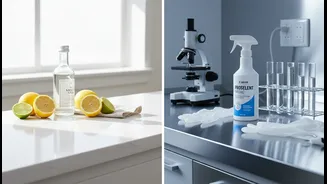
Here's the crucial takeaway: most common DIY natural cleaners are great for cleaning, but they are not registered or effective disinfectants. While vinegar’s acidity can kill some pathogens, it is not effective against a broad spectrum of resilient viruses and bacteria. Studies have shown it can reduce bacteria, but not to the 99.9% level required for products to be registered as disinfectants by regulatory bodies like the EPA. Baking soda is an effective deodorizer and mild abrasive but does not kill most bacteria. Even the popular trick of mixing vinegar and baking soda is counterproductive; the chemical reaction neutralizes both, leaving you with little more than salty water. For a product to be a true disinfectant, it must meet rigorous government standards for effectiveness.
When Disinfection Is Non-Negotiable
For most daily situations and low-touch surfaces, regular cleaning with soap and water is sufficient to prevent the spread of germs. However, there are specific times when reaching for an EPA-registered disinfectant is the responsible choice for your family's health. Disinfection becomes critical in the kitchen after preparing raw meat to prevent the spread of bacteria like Salmonella and E. coli. It’s also crucial in the bathroom, particularly around toilets and sinks. Most importantly, you should increase disinfection of high-touch surfaces—like doorknobs, light switches, faucets, and remote controls—when someone in the household is sick with a contagious illness, such as the flu, or if a household member has a weakened immune system.
A Balanced and Healthy Approach
Adopting a smarter cleaning strategy doesn't mean you have to abandon your natural solutions. It’s about using the right tool for the right job. Continue to use your vinegar and water spray for wiping down counters after a meal, cleaning windows, and everyday mopping. Use baking soda to scrub away grime on your stovetop or freshen your carpets. But for those key moments—after handling raw chicken, when a stomach bug hits the family, or for a weekly deep clean of the bathroom—use a product that is proven to disinfect. Always clean the surface with soap and water first to remove dirt, which allows the disinfectant to work effectively. This hybrid approach gives you the best of both worlds: the daily benefits of gentle, natural cleaning and the peace of mind that comes from true disinfection when it matters most.