



From Marketing Magic to Ingredient Mastery
Not long ago, beauty aisles were filled with products promising to 'erase wrinkles' or deliver 'flawless skin overnight'. These broad, often vague, claims were the bedrock of beauty marketing. But a new era is dawning, led by a highly informed consumer
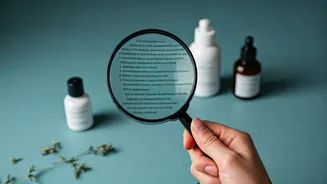
base. Sometimes called 'skin-tellectuals,' these shoppers approach skincare with a scientific mindset. [13, 19] They are more interested in the concentration of niacinamide or the source of the hyaluronic acid in their serum than in a celebrity endorsement. [11] This shift marks a move away from passive consumption to active, informed choices. [13] In India, this trend is rapidly accelerating, with a growing number of consumers checking ingredient lists and prioritising natural, organic, or scientifically-backed formulations over marketing hype. [18, 20] As a result, brands are being pushed to provide full transparency, from sourcing details to the science behind their formulas. [9]
The Rise of the Expert and the 'De-influencer'
The traditional influencer model, once a powerhouse for driving beauty sales, is facing a credibility crisis. [7] Consumers have grown sceptical of overly polished, sponsored content that may not be genuine. [3, 7] This has given rise to the 'de-influencing' trend, where creators gain trust by telling their followers what *not* to buy, often criticising overhyped or ineffective products. [4, 8] This movement reflects a broader demand for authenticity and expertise. [3, 6] Shoppers are increasingly turning to dermatologists, cosmetic chemists, and medical professionals on social media for evidence-based advice. [23] These experts educate their audiences on the science of skincare, empowering them to make decisions based on knowledge rather than trends. [23] This pivot towards expert-led content shows that trust is the new currency in beauty, and it's earned through credibility and transparency, not just visibility. [5, 16]
Conscious Consumerism: Beyond the Bottle
For today's consumer, a good product is no longer enough; it also needs to come from a good brand. Ethical considerations are now a major part of the purchasing decision. [17] Shoppers in India and globally are asking important questions about a brand's values. [12, 20] Is the packaging sustainable or recyclable? [2, 9] Are the products cruelty-free and vegan? [9, 14] Do the brand's values align with their own, particularly regarding inclusivity in shade ranges and marketing? [9, 15] India’s clean beauty market is projected to see enormous growth, driven by consumers who prioritise sustainability and ethical sourcing. [12, 14] A significant percentage of Indian consumers state they prefer eco-friendly packaging and natural ingredients, signalling that a brand's environmental and social footprint is now scrutinised as closely as its ingredient list. [12, 18, 22]
Proof Over Promises: The Demand for Data
Ultimately, the modern beauty consumer wants proof. Vague assertions are being replaced by a demand for verifiable data and clinical results. [2, 25] The new standard for credibility involves brands validating their marketing claims with transparent evidence. [2, 24] This shift is part of a larger trend where beauty is seen as an extension of overall health and wellness. [10, 17, 19] Consumers are moving away from harsh routines that promise instant transformations and are instead focusing on long-term skin health, such as supporting the skin barrier. [2] Claims like 'supports skin barrier health' are now seen as more trustworthy than sensational promises because they are specific and grounded in science. [2] As consumers treat their skin with the same seriousness as their health, brands that can provide clear, evidence-based proof of their products' efficacy are the ones building lasting loyalty. [25]