








The 'Diet Food' Dilemma
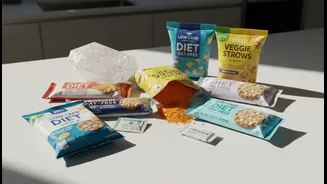
In the pursuit of fat loss, many of us reach for snacks labelled 'low-fat', 'sugar-free', or 'low-calorie'. From granola bars and flavoured yogurts to veggie chips and diet sodas, these products promise guilt-free indulgence. The problem is that when
manufacturers remove fat and sugar, they often strip out the flavour, too. To compensate, they load these products with a host of additives, including intense artificial sweeteners and flavour enhancers, designed to make the food hyper-palatable and keep you coming back for more.
Decoding the Additives: Sweeteners and Enhancers
The additives in question are not just salt and sugar under different names. We're talking about compounds like monosodium glutamate (MSG) and a range of non-nutritive artificial sweeteners such as sucralose, aspartame, and acesulfame potassium. These are staples in ultra-processed foods. While approved for consumption, emerging research suggests they can have unintended consequences on our metabolism and appetite-regulating systems, potentially creating a biological environment that makes fat loss more difficult.
Confusing the Brain's Appetite Signals
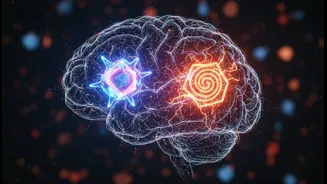
Our bodies are wired to associate a sweet taste with an incoming source of energy (calories). When you consume an artificially sweetened snack, your brain gets the sweet signal but doesn't receive the expected calories. This mismatch can confuse the hypothalamus, the part of your brain that regulates hunger. Studies suggest this may lead to an increase in appetite and cravings, not a reduction. Instead of feeling satisfied, you may feel hungrier, leading you to consume more food later. Similarly, potent flavour enhancers like MSG can promote what is known as hedonic eating—eating for pleasure beyond the point of energy need—which can override the body's natural fullness cues.
The Impact on Gut Health and Metabolism
Your gut microbiome, the community of bacteria living in your digestive system, plays a crucial role in metabolism and weight management. A growing body of evidence indicates that artificial sweeteners can disrupt the balance of these microbes. This imbalance, or dysbiosis, can lead to low-grade inflammation and alter how your body processes nutrients and stores fat. Some studies have linked long-term consumption of certain additives to an increased risk of metabolic syndrome, a cluster of conditions that includes excess abdominal fat, high blood pressure, and insulin resistance. This suggests that even without calories, these additives can create metabolic changes that are counterproductive to fat loss.
Beyond the Scale: Water Retention and Inflammation
It's also important to consider effects that aren't directly related to fat. Many flavour enhancers are sodium-based, and a high intake can lead to water retention and bloating. This can be discouraging when you're tracking progress on the scale, as it can mask true fat loss. Furthermore, as some additives may promote a pro-inflammatory environment in the body, they can contribute to a state of chronic low-grade inflammation, which is itself linked to obesity and difficulty losing weight.
Smarter Snacking for Sustainable Fat Loss
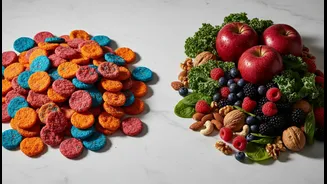
The solution isn't to stop snacking, but to snack smarter. The key is to shift focus from highly processed 'diet' products to whole, minimally processed foods. Reading ingredient lists is crucial; if the list is long and full of names you can't pronounce, it's a red flag. Opt for snacks where the ingredients are the food itself: an apple with peanut butter, a handful of raw nuts, plain Greek yogurt with fresh berries, or carrots with hummus. These foods provide fibre, protein, and healthy fats that promote genuine satiety and support a healthy metabolism, helping you achieve your fat-loss goals without the metabolic confusion caused by artificial additives.