

From the Valleys of Kashmir
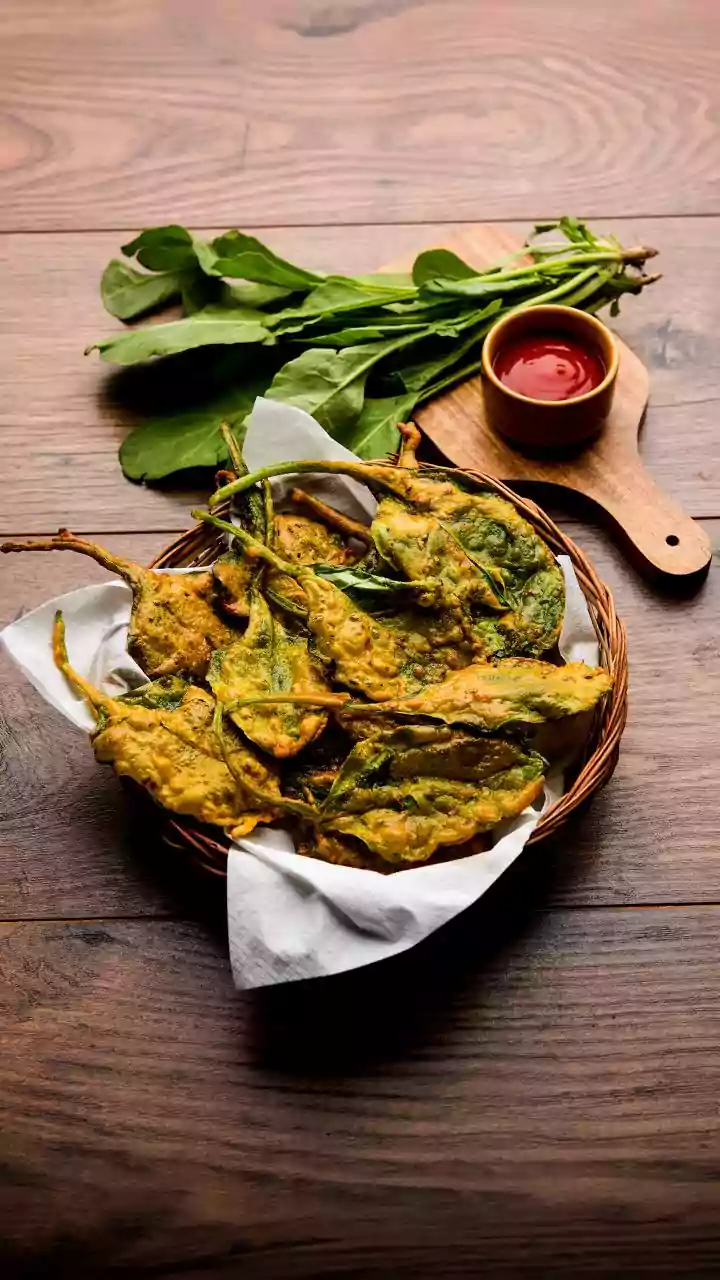
Enter the nadru, or lotus stem. Known as 'kamal kakdi' in Hindi, this unique, porous vegetable is a staple in Kashmiri cuisine. For generations, it has been the star of a beloved street food snack called Nadru Monje—thin slices or batons of lotus stem coated
in a seasoned flour batter and deep-fried to a perfect, shattering crisp. Traditionally sold hot in paper cones on cold afternoons, these fritters are a quintessential taste of the Valley, celebrated for their crunchy texture and savoury flavour. The classic preparation involves a simple batter, often of rice flour, which gives it a distinctive glassy crunch, and a blend of spices like Kashmiri red chilli powder.
A Modern, Health-Conscious Makeover
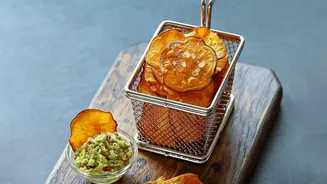
As health awareness grows across urban India, many are seeking ways to enjoy traditional flavours without the excess oil associated with deep-frying. This shift has paved the way for the meteoric rise of the air fryer, an appliance that has moved from a niche gadget to a mainstream kitchen essential. It promises the crispiness of fried food by circulating hot air with minimal oil, cutting fat and calories significantly. This technology is now being applied to classic Indian snacks, giving them a modern, 'guilt-free' makeover. The deep-fried Nadru Monje is being reimagined as the light, crunchy, and air-fried nadru chip, perfectly aligned with the urban demand for healthier options.
Less Oil, Same Irresistible Crunch
The magic of the air fryer lies in its ability to achieve a satisfyingly crisp texture using up to 80% less oil than deep-frying. When deep-frying, food is submerged in hot oil, which it absorbs, dramatically increasing its fat and calorie content. Air frying, on the other hand, uses just a light coating of oil—often a single tablespoon—to facilitate the crisping process. This not only makes the resulting snack lighter but also reduces the formation of potentially harmful compounds like acrylamide that can be created during high-temperature deep-frying. The result for nadru chips is a snack that retains its signature crunch while being much kinder to your waistline and overall health.
A Nutritional Powerhouse in Every Bite
Beyond the cooking method, the lotus stem itself is a nutritional hero. It is naturally low in calories and fat but rich in dietary fibre, which aids in digestion and promotes a feeling of fullness. It is an excellent source of Vitamin C, crucial for boosting immunity, and contains essential minerals like potassium, which helps regulate blood pressure. By opting for an air-fried version, you are not only cutting down on oil but also allowing the inherent nutritional benefits of this incredible vegetable to shine through, making it a genuinely wholesome snack choice.
Your Guide to Homemade Air-Fried Nadru Chips
Creating this trendy snack at home is surprisingly simple. Start by peeling and slicing a fresh lotus stem into thin, uniform rounds. Pat the slices completely dry—this is the secret to maximum crispiness. In a bowl, toss the slices with a teaspoon of oil and your favourite seasonings. A classic combination includes salt, Kashmiri red chilli powder, and a pinch of cumin or chaat masala. For an extra crispy coating, you can add a dusting of cornflour. Arrange the seasoned slices in a single layer in your preheated air fryer. Cook at around 180°C for 10-15 minutes, shaking the basket halfway through to ensure they cook evenly. They're ready when they are golden brown and perfectly crisp.
A Trend Taking Root in Urban India
This isn't just a home-kitchen phenomenon. Health-conscious cafes and innovative restaurants in metropolitan areas are increasingly adding air-fried snacks to their menus. These modern eateries recognise the growing desire for regional delicacies presented in a contemporary, healthy format. Air-fried nadru chips are appearing as appetisers and bar snacks, offering a unique, flavourful, and light alternative to the usual fries and wedges. It represents a larger, exciting movement in Indian food culture: the rediscovery and reinvention of our vast culinary heritage to fit modern lifestyles, ensuring that traditional flavours continue to thrive in new and exciting ways.