



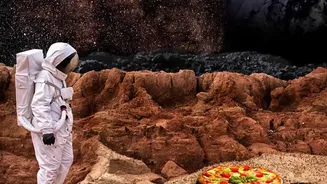
Beyond Tubes and Tang
The phrase 'space food' often conjures images of astronauts squeezing paste from a tube or rehydrating powdery scrambled eggs. While early missions in the 1960s relied on such basic methods, food science has made giant leaps. For decades, the system has been
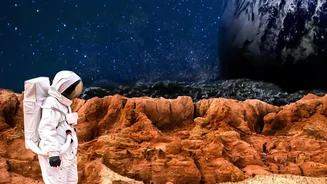
refined for missions on the Space Shuttle and the International Space Station (ISS), where astronauts have access to over 200 food and beverage options. These include thermostabilized dishes like barbequed beef brisket and vegetable quiche, which will be part of the menu for upcoming Artemis missions. However, these missions are relatively short. The ISS even benefits from regular cargo resupply missions that can deliver fresh fruit and other treats. But for a trip to Mars, which could take nearly three years for a round trip, there will be no resupply from Earth. This new reality is forcing a complete reinvention of the astronaut's pantry.
The Tyranny of a Five-Year Shelf Life
A mission to Mars presents a monumental logistical challenge. Food must not only be nutritious and palatable but also remain safe to eat for up to five years, a significant increase from the one-year shelf life required for ISS food. Over such long durations, vitamins in pre-packaged foods can break down, jeopardizing crew health. Furthermore, the sheer weight and volume of packing enough food for a multi-year mission for an entire crew is an enormous engineering hurdle. Beyond the physical requirements, there's a critical human element: menu fatigue. Eating the same limited selection of foods for years on end can lead to boredom, reduced appetite, and even weight loss, which could have serious health implications on a planet far from home. Astronauts need variety and the sensory experience of fresh, flavorful food to maintain psychological well-being.
A Greenhouse on the Red Planet
The most logical solution to the fresh food problem is to grow it in space. For years, astronauts on the ISS have been experimenting with this in small 'space gardens' like the Veggie facility, successfully cultivating crops like lettuce, kale, radishes, and even zinnia flowers. These experiments are crucial for understanding how plants grow without gravity and how to manage watering. The technology is now advancing rapidly. A UK-based company called Vertical Future is developing a fully autonomous, robotic vertical farm scheduled for deployment on a commercial space station in 2026. This system will use AI and robotics to manage everything from seeding to harvesting, a vital step toward creating self-sufficient food production systems that require minimal astronaut labor. NASA has been encouraging this innovation through competitions like the Deep Space Food Challenge and its successor, Mars to Table, which task teams with designing entire food ecosystems for deep space.
3D-Printed Pizza and Meals from Air
While fresh greens are a start, astronauts can't live on salad alone. This is where other futuristic technologies come into play. One of the winners of NASA's food challenge, a Colombian company named Alsec, developed a system that uses long-lasting powdered ingredients that can be rehydrated and then fed into a 3D printer. This allows astronauts to create customized meals with varied textures and shapes, like a cookie or a piece of toast, which provides a powerful psychological boost. Other innovations are focused on novel sources of protein. The European Space Agency is backing a project to produce a protein powder called Solein, which is created by microbes that feed on air and electricity. The space-based version of this system would use urea, sourced from recycled astronaut urine, as a nitrogen source, demonstrating a truly closed-loop system where nothing is wasted.
Food for the Mind and Mission
Ultimately, the evolution of space food is about more than just nutrition; it's about sustaining the human spirit during the most challenging and isolated expeditions ever undertaken. Studies have shown that the simple act of caring for plants can be therapeutic for astronauts, reducing stress and providing a vital connection to nature on Earth. Enjoying a fresh, crunchy vegetable or a warm, flavorful meal can be a highlight of the day, a moment of comfort and normalcy that boosts morale and team cohesion. Scientists now recognize that diet quality is directly linked to brain health, cognitive performance, and emotional regulation—all of which are paramount for mission success. As we push farther into the cosmos, the humble meal will be one of the most critical technologies we carry with us, ensuring our explorers are not just surviving, but thriving.