



Why Millets Are a Morning Game-Changer
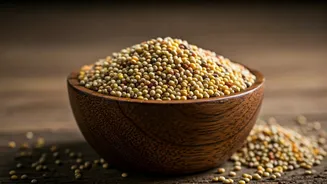
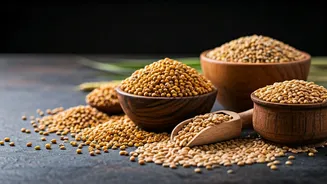
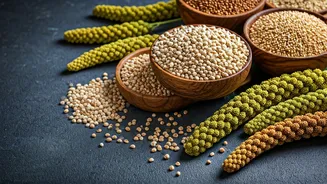
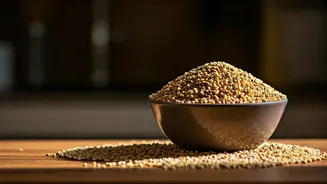
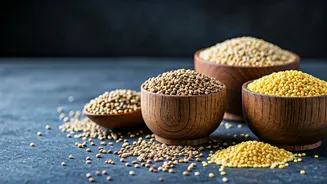
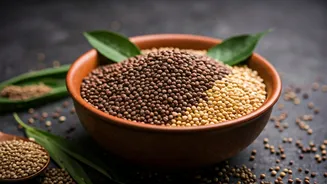
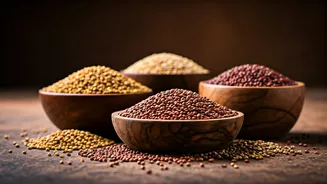
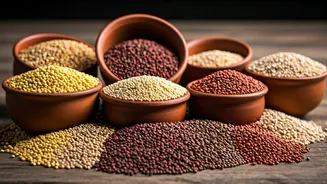
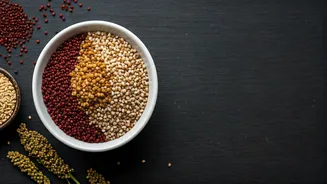
For centuries, millets were a staple in Indian households before refined grains took over. Now, they're returning to the spotlight, and for good reason. These small-seeded grasses are nutritional powerhouses, naturally gluten-free, and packed with fibre,
protein, and essential minerals. Unlike many processed breakfast options that can cause a sudden spike and crash in blood sugar, millets have a low glycemic index. This means they release energy slowly, keeping you feeling full, focused, and energized until lunchtime. They are a fantastic way to improve digestion, support heart health, and manage weight, all while starting your day on a delicious note.
The Calcium Powerhouse: Ragi (Finger Millet)
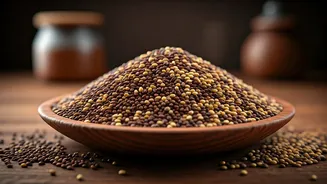
If there's one millet to start with, it's ragi. Known for its reddish hue, ragi is exceptionally rich in calcium, making it fantastic for bone health for all ages, from toddlers to adults. It's also a great source of iron, which can help combat anaemia and boost energy levels. Because of its cooling properties, it's a wonderful grain for any season. Don't be intimidated by its colour; ragi has a mild, nutty flavour that works well in both sweet and savoury dishes. A classic way to enjoy it is as a simple porridge, or 'ragi malt'. Just whisk ragi flour with water to avoid lumps, cook on the stove until it thickens, and then add milk and a natural sweetener like jaggery. You can also make instant ragi dosas, pancakes, or even add the flour to your regular roti dough for a nutrient boost.
The Versatile Staple: Jowar (Sorghum)
Jowar is one of India's most popular millets, beloved for its versatility. This gluten-free grain is a fantastic source of protein, dietary fibre, and antioxidants that help fight inflammation. Its fibre content aids digestion and contributes to a feeling of fullness, which is great for weight management. Jowar can be enjoyed in many forms. For breakfast, you can make a savoury jowar upma, loaded with vegetables for a colourful and satisfying meal. Jowar flour can also be used to make soft dosas, fluffy pancakes, or a traditional fermented porridge called Jowar Ambali, which is excellent for gut health. Its mild taste makes it an easy substitute for wheat or rice in many recipes.
The Energy Booster: Bajra (Pearl Millet)
Bajra is a robust millet known for its ability to provide sustained energy, making it an excellent breakfast choice, especially during colder months. It is packed with iron, protein, and magnesium, which are essential for muscle function and keeping fatigue at bay. The complex carbohydrates in bajra digest slowly, helping to prevent overeating later in the day. While traditionally used for making rotis, bajra is surprisingly adaptable for breakfast. You can make hearty bajra parathas stuffed with greens like methi, or a comforting bajra khichdi with lentils and vegetables. For those who prefer a South Indian start to their day, bajra can be used to make crispy dosas, soft idlis, or savoury paniyaram.
Simple Swaps to Get You Started
Introducing millets into your diet doesn't have to be complicated. Start small. Try swapping a portion of your regular wheat flour with ragi or jowar flour when making rotis or chillas. Prepare a simple millet porridge once a week instead of your usual oatmeal. You can also find millet flakes and millet muesli in many stores, which offer a convenient way to enjoy their benefits without much prep time. The key is to experiment and find what you enjoy. With so many varieties and recipes available, from upma and dosa to pancakes and porridge, there's a millet breakfast out there for everyone.