




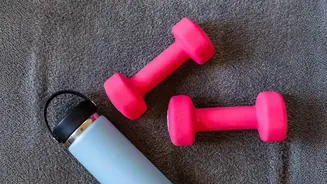


The festive season, with its joyous celebrations and delicious feasts, can leave our fitness routines gathering dust. If you're feeling sluggish and ready for a reset, the key is to transition back smoothly, not suddenly. Here’s your guide.
Adjust Your Mindset First
Before you
even lace up your trainers, the most important first step is a mental one. It’s common to feel guilty about overindulgence or lost progress, but a negative mindset can sabotage your return to fitness. Instead of seeing exercise as a punishment for festive fun, reframe it as a positive act of self-care. Be kind to yourself. Your body has enjoyed a period of rest and celebration, and now you are choosing to nourish it with movement. Don't expect to pick up exactly where you left off. Accept that your strength and endurance will have decreased, and that's perfectly normal. The goal isn't to erase the holidays, but to build a sustainable path forward.
Start Slow and Gentle
Jumping back into your old high-intensity routine is a recipe for injury and burnout. Your body, including muscles, joints, and your cardiovascular system, needs time to readapt. For the first week or two, focus on low-intensity activities. Think brisk walking, light jogging, swimming, or cycling at a relaxed pace. Bodyweight exercises, yoga, and Pilates are also excellent options for gently reawakening your muscles and improving flexibility without excessive strain. A good rule is to start with shorter workouts, perhaps 20-30 minutes, and focus on proper form over speed or weight. This gradual approach reduces the risk of strains and ensures your return is a positive experience.
Prioritise Warm-Ups and Cool-Downs
After a break, your muscles are less pliable, making warm-ups and cool-downs more critical than ever. A proper warm-up, consisting of 5-10 minutes of light cardio like jogging in place or jumping jacks, increases blood flow to your muscles, preparing them for activity. Follow this with dynamic stretching—active movements that take your joints through their full range of motion. After your workout, dedicate time to a cool-down. This involves slowing your heart rate gradually and performing static stretches, holding each for 30 seconds to improve flexibility and aid recovery. This practice is essential for preventing injury and reducing next-day soreness.
Consistency Trumps Intensity
When you're rebuilding a habit, frequency is more important than intensity. It's far better to complete three 30rd minute workouts in a week than to attempt one gruelling 90rd minute session that leaves you too sore to move for days. Schedule your workouts in a calendar just as you would any other important appointment. This creates accountability and helps transform exercise back into a nonstoppable part of your routine. By being consistent, you signal to your body and mind that fitness is a priority again, building momentum that makes each subsequent workout easier to tackle.
Listen To Your Body and Schedule Rest
Your body will give you feedback; it’s your job to listen. Learn to distinguish between the normal muscle soreness of a good workout and sharp, persistent pain that could signal an injury. Don't push through pain. Rest is not a sign of weakness; it's a crucial part of the recovery and muscle building process. Ensure you are getting adequate sleep, as this is when your body does most of its repair work. Planning specific rest days is just as important as planning your workouts. Active recovery, such as a gentle walk or stretching on a rest day, can also help reduce stiffness and improve circulation.
Fuel and Hydrate for Success
Getting back to fitness isn’t just about the exercise itself; it’s also about what you consume. Focus on reestablishing a balanced eating pattern without resorting to restrictive diets. Rehydrate consistently throughout the day, not just during your workout. Water is essential for preventing cramps and optimising performance. Pay attention to your nutrition by incorporating whole foods, including lean proteins, complex carbohydrates for sustained energy, and plenty of fruits and vegetables. A wellfueled body is better equipped to handle the demands of exercise and will recover more efficiently.