








A Paradise Paved With Waste
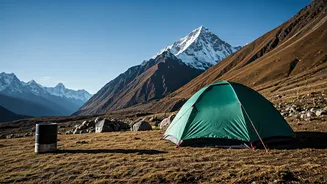
The Himalayas, a destination for spiritual seekers and adventure lovers, are grappling with a modern scourge: overtourism and the waste it leaves behind. [1, 8] As tourist numbers surge, fragile ecosystems are being overwhelmed by plastic bottles, food
wrappers, and discarded gear. [1, 10] In some areas, waste treatment plants are operating at five times their capacity, and what can't be processed is often dumped on slopes or burned, releasing toxins into the air. [1, 10] This isn't just an eyesore; it contaminates water sources for millions and threatens the delicate ecological balance that makes the region so unique. [1] Reports from major bodies like the World Bank have highlighted that standard urban waste solutions are ineffective in the challenging mountain terrain, compounding the crisis. [8]
From Footprints to Handprints
In response, a growing number of sustainable travel companies are shifting their focus from simply leaving no trace to actively leaving a positive impact. They are launching and supporting community-based projects aimed at tackling the waste problem head-on. Companies like Trek The Himalayas and Himalayan Planet Adventures are embedding clean-up initiatives directly into their operations. [2, 5] This represents a fundamental change in the tourism model, moving beyond passive sightseeing to active stewardship. Rather than just being visitors, trekkers are encouraged to become part of the solution, participating in organized clean-up drives and carrying waste back from the mountains. [2, 13]
How The Projects Work
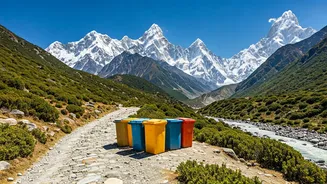
These initiatives are more than just occasional litter-picking campaigns; they are becoming structured, ongoing efforts. For example, the 'Heal Himala' initiative by Trek The Himalayas conducts regular, large-scale clean-up drives after every few trekking batches, having removed over 12,000 kg of waste through more than 1,200 drives. [6] Another recent example from June 2026 is the establishment of a material recovery facility near Kedarnath Temple, supported by the Healing Himalayas Foundation in partnership with Anandana, The Coca-Cola Foundation. [20] These projects often involve providing trekkers with garbage bags, segregating waste at campsites, and ensuring it is transported to a proper disposal or recycling facility. [2, 4] Critically, many of these initiatives partner directly with local communities, providing employment and creating a sense of shared responsibility for preserving their environment. [15, 21]
More Than Just a Clean-Up
The impact of these projects extends far beyond cleaner trails. By employing local people in waste management and segregation, they create sustainable economic opportunities in regions where livelihoods are often precarious. [15] For instance, the Healing Himalayas Foundation has established several Material Recovery Facilities that not only process waste but also generate revenue to pay the salaries of local workers. [15] These programs also serve a vital educational purpose, raising awareness among both tourists and local populations about the importance of responsible waste disposal. [14] Companies actively educate their clients through pre-trip briefings and on-trail practices, promoting the use of reusable water bottles and discouraging single-use plastics. [2, 5] This fosters a culture of respect for the environment and empowers travelers to become ambassadors for sustainable tourism. [2, 12]
The Climb Towards Sustainability
While these community projects are a significant step forward, they are not a silver bullet. The sheer scale of tourism—with states like Himachal Pradesh and Uttarakhand receiving tens of millions of visitors annually—means the problem is immense. [10] The real challenge lies in creating a financially sustainable 'reverse supply chain' to get waste from high-altitude trails down to recycling centers. [20] Furthermore, success depends on the continued collaboration between private companies, non-profit organizations like Zero Waste Himalaya, local communities, and government bodies. [16, 21] The long-term solution requires systemic change, including better government policies, enforcement of environmental regulations, and a fundamental shift in tourist behavior. [3, 7] As one organizer notes, the goal is not just to clean up, but to educate people so that if tourists managed their own waste, these drives wouldn't be necessary. [15]