



The Foundation: Oil, Salt, and Sun
At its core, Indian pickling, or 'achaar' making, is an ancient method of preservation that predates refrigeration. The process relies on creating an environment where spoilage microbes cannot survive. This is primarily achieved through a trio of powerful
agents: salt, oil, and sunlight. Salt is the first line of defence, drawing moisture out of fruits and vegetables through osmosis, which denies bacteria the water they need to grow. Oil, especially pungent mustard oil popular in North India, forms a protective layer that seals out air and moisture. Mustard oil also contains natural antimicrobial compounds, adding another layer of preservation. Finally, many traditional recipes call for sun-drying the ingredients or maturing the entire pickle in the sun for days or weeks. This not only helps to remove residual moisture but also allows the spices to meld and mature, developing deep, complex flavours.
Oil-Based Pickles: The North Indian Staple
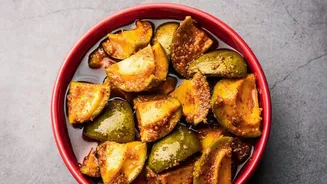
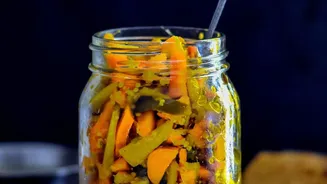
When you think of a classic 'aam ka achaar' (mango pickle) or a fiery 'mirchi ka achaar' (chilli pickle), you are likely imagining an oil-based pickle. This method is particularly dominant in North Indian states like Punjab, Rajasthan, and Uttar Pradesh. The process typically involves cutting vegetables or fruits, sometimes sun-drying them, and then mixing them with a potent blend of spices like mustard seeds, fenugreek, fennel, and turmeric. This mixture is then submerged in oil, which acts as the primary preservative. Over time, the ingredients soften and absorb the spiced oil, resulting in a rich, robust pickle that can last for more than a year, with its flavour improving as it ages.
Brine and Fermentation: The Power of Salt
Another significant method relies on salt brine and natural fermentation. In this technique, vegetables are preserved in heavily salted water, which draws out their natural juices. This salty environment encourages the growth of beneficial lactic acid bacteria, which act as a natural preservative by lowering the pH of the pickle. This process is known as lacto-fermentation. South Indian pickles, like the famous Andhra Avakaya, often employ a combination of salt, spices, and oil, but the fermentation process is key to their iconic fiery and tangy taste. Other examples include the North Indian 'kanji', a fermented drink made from black carrots or beetroots, where the leftover vegetables become a tangy pickle. These fermented foods are also valued for their probiotic properties, which are beneficial for gut health.
Vinegar's Tang: A Coastal and Colonial Influence
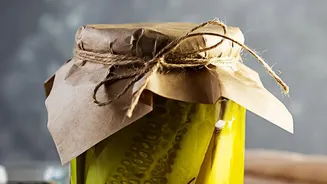
Vinegar-based pickling is also prevalent in certain parts of India, often seen in regions with a history of colonial influence, like Goa and in Anglo-Indian cuisine. Instead of relying solely on oil or salt, this method uses the high acidity of vinegar to prevent spoilage. This results in pickles that are distinctly tangy and often lighter than their oil-based counterparts. Goan prawn pickle and some Kerala-style lime pickles are classic examples where vinegar provides the sharp, acidic kick. Simple onion pickles, often served as an accompaniment to rich dishes like biryani, also use a vinegar solution.
Sweet and Sour: A Symphony of Flavours
Not all Indian pickles are purely spicy or sour. In western states, particularly Gujarat, sweet pickles are a culinary highlight. Recipes like the famous 'Chhundo' (a sweet, grated mango pickle) and 'Gorkeri' use jaggery or sugar to create a delightful balance of sweet, tangy, and spicy notes. This method often involves cooking the fruit with sugar and spices until a thick, syrupy consistency is achieved. The high concentration of sugar acts as a preservative, much like salt, by inhibiting microbial growth. These sweet and sour pickles are a testament to India's regional palate, where flavours are expertly balanced to create a unique taste experience.