





First, Understand Your Light
Before you even think about which plant to buy, take a day to observe the light in your home. 'Low light' doesn't mean a windowless room, and 'direct sun' can be too harsh for most indoor varieties. A simple way to check is the shadow test. Place your hand
a foot above where the plant would sit. A sharp, clearly defined shadow means direct light. A softer, fuzzier shadow indicates bright, indirect light. A faint shadow with no clear outline means you have a low-light area. Most Indian homes, with their balconies and close buildings, have a mix of these conditions. A spot more than two metres from a window is typically considered low light.
For Low-Light Corners and Hallways
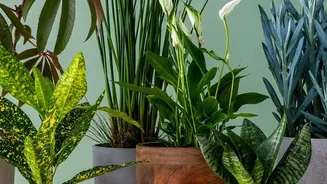
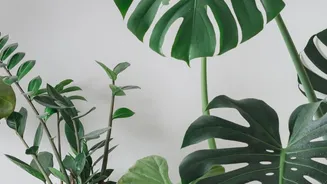
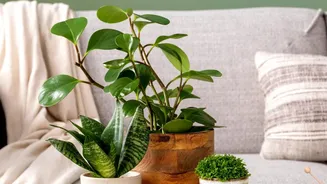
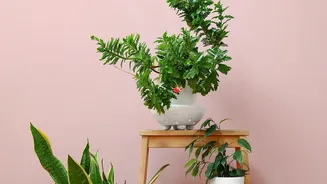
Many apartments have spots that feel too dim for a plant, but several species are perfectly happy in these conditions. These are the survivors, the plants that thrive on neglect and add green to even the shadiest corners. Your best bets include: - Snake Plant (Sansevieria): Almost indestructible, this plant tolerates very low light and infrequent watering, making it ideal for beginners and busy households. It also releases oxygen at night, making it a great choice for bedrooms. - ZZ Plant (Zamioculcas zamiifolia): With glossy, dark leaves, the ZZ plant is another champion of neglect. It stores water in its roots, so it can go weeks without a drink and looks healthy even in a dim corner. - Money Plant (Pothos): A staple in Indian homes, the Pothos is incredibly adaptable. Its trailing vines can drape over a bookshelf or hang in a corner, and it tolerates a wide range of light levels, from low to medium indirect.
For Bright, Indirect Light
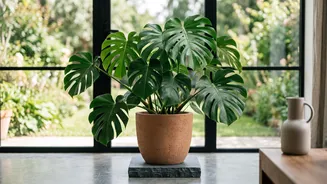
This is the sweet spot for a huge variety of popular houseplants. It's the kind of light found a few feet from an east-facing window or near a window with a sheer curtain. Plants in this category often have lush, vibrant foliage. - Areca Palm (Dypsis lutescens): This leafy palm brings a tropical feel indoors and adds moisture to the air. It prefers bright, indirect light and thrives in the humidity common in many parts of India. - Peace Lily (Spathiphyllum): Famous for its elegant white flowers, the Peace Lily is one of the few plants that will bloom in shadier conditions. It prefers medium to bright indirect light and will visibly droop when it needs water, taking the guesswork out of care. - Monstera Deliciosa: Known for its iconic split leaves, the Monstera loves a bright spot without being hit by direct sun, which can scorch its foliage. It’s a statement plant that signals a happy, well-lit home.
For Sun-Drenched Windowsills
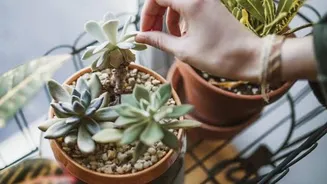
While many 'indoor plants' will burn in direct sun, some varieties crave it. These are perfect for a south or west-facing window or an open balcony where they can soak up at least four hours of direct light a day. Just be mindful that sun coming through glass can be more intense. - Succulents and Cacti: This is a broad category, but most succulents, including the popular Jade Plant, thrive in direct sun and with minimal watering. They are perfectly suited for hot, dry conditions. - Aloe Vera: The 'miracle plant' loves bright, sunny conditions. Place it on a sunny windowsill, and you'll have a beautiful plant that doubles as a handy remedy for minor skin irritations. - Croton (Codiaeum variegatum): If you want a splash of vibrant colour, the Croton is your plant. Its leaves come in spectacular shades of red, orange, and yellow, which become more intense with more sunlight.