



Your Gut Is Your Second Brain
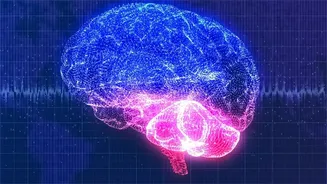
It might sound strange, but your gut and brain are in constant conversation. This connection is called the gut-brain axis, a complex communication network that links your digestive system with your central nervous system. Think about the 'gut feelings'
you get when you're nervous, or how stress can lead to an upset stomach. That's the gut-brain axis in action. This communication is a two-way street. Your brain can send signals to your gut, but more surprisingly, your gut can influence your brain. It does this through nerves, hormones, and the immune system. The trillions of bacteria living in your gut, known as the gut microbiome, play a starring role. These microbes help produce crucial mood-regulating neurotransmitters. In fact, about 90% of your body's serotonin, often called the 'happy chemical', is made in your gut. When this microbial ecosystem is balanced, it supports emotional stability and clear thinking.
Fermentable Fiber: Fuel for Good Moods
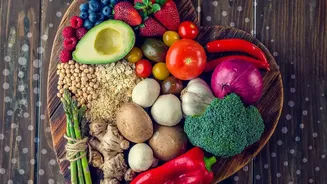
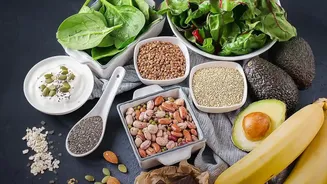
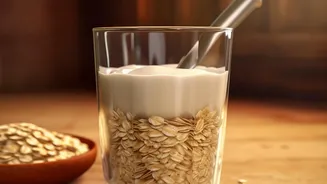
So, how do we keep our gut microbiome happy? One of the most important ways is by feeding it the right food, and fermentable fiber is its favourite meal. These types of fibers aren't digested by us, but are instead fermented by our gut bacteria. This process produces beneficial compounds called short-chain fatty acids (SCFAs). Research suggests that SCFAs have a positive effect on brain health. They can help reduce inflammation, which is often linked to mood disorders like anxiety and depression. By nourishing the beneficial bacteria, fermentable fibers help create an environment where these helpful microbes can thrive. Studies have found a link between higher fiber intake and lower levels of anxiety and depressive symptoms. While not a magic cure, fueling your body with fiber-rich foods is a powerful way to support both your gut and your mind.
Probiotics: The Friendly Reinforcements
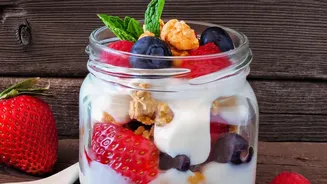
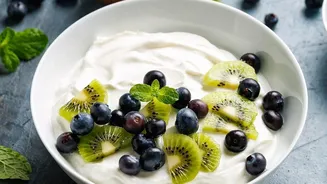
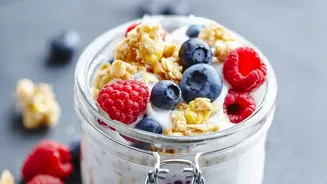
If fiber is the fuel, probiotics are the friendly reinforcements. Probiotics are live, beneficial bacteria found in certain foods and supplements. They help populate your gut with the kinds of microorganisms that support overall wellness. Certain strains, such as those from the Lactobacillus and Bifidobacterium families, have been shown to have positive effects on mental well-being. They can help increase the production of neurotransmitters and protect the intestinal lining, preventing inflammatory molecules from entering the bloodstream and potentially affecting the brain. Some studies have shown that regular consumption of probiotics can help boost mood, improve cognitive function, and make individuals calmer in stressful situations. One study on older adults found that probiotic supplementation improved cognitive health and mood after just 12 weeks.
Putting It on Your Plate: A Guide for Indian Kitchens
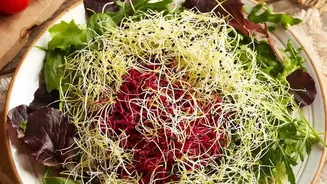
The great news is that you don't need to look far to find these gut-friendly foods. The traditional Indian diet is naturally rich in both fermentable fibers and probiotics. For fermentable fiber, focus on whole foods. Pulses and legumes like moong dal, chana, and rajma are excellent sources. Millets such as jowar, bajra, and ragi are packed with prebiotic fiber that feeds good bacteria. Don't forget your vegetables; onions, garlic, bhindi (okra), and lauki (bottle gourd) are all great choices. For a probiotic boost, homemade dahi (curd) is one of the best and most accessible options. Other fantastic sources include fermented foods like idli and dosa, whose batter undergoes a natural fermentation process. Traditional drinks like chaas (buttermilk) and kanji, a fermented carrot beverage, are also packed with beneficial microbes that aid digestion and support your gut flora.