




The Post-Monsoon Weather Challenge
The period after the monsoon can be particularly taxing on the body. While the intense heat of summer may have passed, it's replaced by high humidity. This sticky, moisture-laden air affects how your body cools itself. Sweat doesn't evaporate as efficiently
from your skin, making it harder to regulate your internal temperature. This can lead to increased fluid loss, even if you don't feel like you're sweating profusely, raising the risk of dehydration. This environmental stress coincides with a rise in waterborne and digestive illnesses, as the conditions are often ripe for bacterial growth. It's a time when paying extra attention to your body's internal environment is crucial for staying healthy.
What is Cellular Hydration?
We often think of hydration as simply drinking enough water, but true hydration happens at a cellular level. Cellular hydration refers to the fluid balance both inside and outside your cells. It’s not just about the quantity of water you consume, but how effectively that water is absorbed and utilized by your body's trillions of cells. For water to enter your cells, where it's needed for countless metabolic processes, it requires the help of electrolytes—minerals like sodium, potassium, and magnesium that carry an electrical charge. These electrolytes act as keys, unlocking the cell membranes to allow water to pass through, ensuring your cells are properly plumped and functional.
How Your Gut Relies on Water
Your digestive system is incredibly dependent on water for every step of its process. It begins with saliva, which is mostly water and is needed to start breaking down food. From there, water is essential for creating the stomach acids that digest proteins, for absorbing nutrients in the intestines, and for moving food smoothly through the digestive tract. When you're dehydrated, your body prioritizes water for its most critical functions, like maintaining blood pressure. To do this, it may pull excess water from the colon. This results in harder, drier stools that are difficult to pass, leading to one of the most common digestive complaints: constipation.
Signs of Poor Digestion from Dehydration
When your digestive system is deprived of the water it needs, the signs go beyond simple constipation. Slowed digestion can lead to food lingering in your gut, causing bloating and uncomfortable gas. A lack of adequate water can also contribute to more frequent heartburn or acid reflux, as proper fluid balance is needed to regulate stomach acid. Even mild dehydration can disrupt the delicate balance of your gut microbiome, potentially allowing harmful bacteria to thrive while hindering beneficial ones. Other subtle signs might include a persistent dry mouth, reduced appetite, and general feelings of fatigue and sluggishness, which many people mistakenly attribute to the weather alone.
Practical Ways to Boost Cellular Hydration
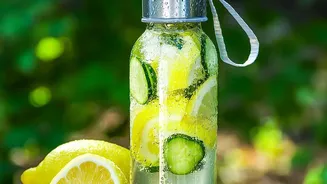
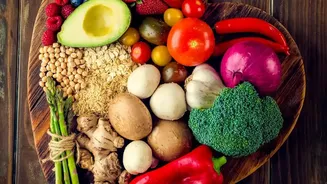
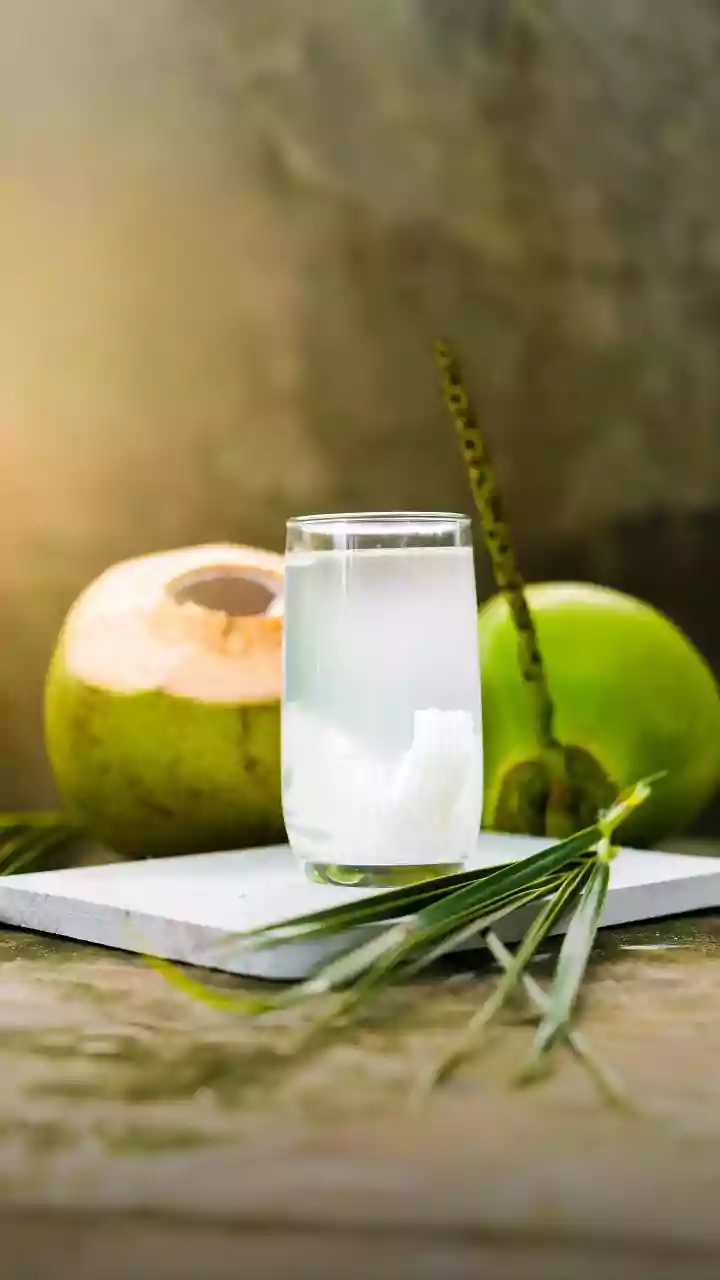
Improving cellular hydration goes beyond just carrying a water bottle. While drinking plain water is fundamental, a more strategic approach can make a significant difference. Focus on including electrolyte-rich foods in your diet, such as coconut water, bananas, oranges, and leafy greens. These provide the minerals needed for water to be properly absorbed by your cells. Don't forget that you can 'eat' your water, too. About 20% of our daily fluid intake comes from food. Water-rich fruits and vegetables like cucumber (96% water), watermelon (92%), and tomatoes (94%) are excellent for hydration while providing essential vitamins and fibre. Spacing your fluid intake throughout the day, rather than chugging large amounts at once, also helps your body absorb it more efficiently.