






Monsoon Ends the Long Wait
The monsoon, which had a weak and delayed start, has now gained significant momentum. After entering the Bastar region around June 22, it has rapidly advanced to cover most parts of the state. [3, 21] The India Meteorological Department (IMD) noted on June 27
that conditions are favourable for the monsoon to cover the remaining parts of Chhattisgarh within days, signaling an official end to the anxious wait that gripped the region through much of June. [20] This vigorous phase of the monsoon has replaced the prevailing heatwave-like conditions with overcast skies and the promise of sustained rainfall, bringing a much-needed change in weather patterns. [3, 13]
From a 69% Deficit to a Deluge
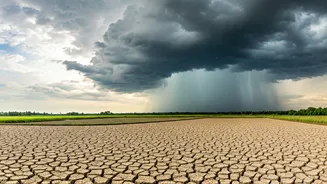
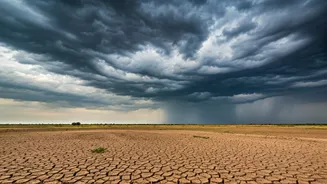
The term "massive boost" is no exaggeration given the preceding conditions. As of June 23, Chhattisgarh was reeling under a severe rainfall deficit of nearly 69% since the beginning of the month. [6] Some districts were in an even more dire situation, with rainfall deficits soaring above 90%. [6] Rajnandgaon, for instance, had recorded a 92% shortfall, receiving only 8.3 mm of rain against a normal of over 100 mm. [6] The recent downpours are now actively reversing this trend. Reports from June 27 indicated that rainfall activity was set to intensify across the state, with widespread showers expected to continue and help close the significant gap left by the dry spell. [11, 20]
A Critical Lifeline for Farmers
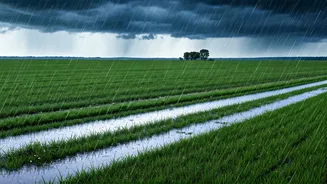
For Chhattisgarh's agricultural sector, which is heavily dependent on rain-fed farming, this rainfall is a critical lifeline. The delay and initial weakness of the monsoon had stalled the sowing of key Kharif crops, particularly paddy. [4, 8] Farmers were anxiously waiting for widespread rains to begin large-scale sowing and transplantation. [8] These recent showers now provide the ideal conditions to accelerate farming activities across the state. However, experts remain cautiously optimistic. With the lingering threat of El Niño potentially affecting the monsoon's performance later in the season, agricultural scientists and the state government have been advising farmers to also consider planting less water-intensive and drought-resilient crops like millets, pulses, and oilseeds to mitigate potential risks. [4, 10]
Urban Centres Grapple with Waterlogging
The sudden arrival of intense rainfall has also brought its own set of challenges, particularly in urban areas. The state capital, Raipur, has already witnessed the flip side of the downpour. Following heavy showers, several areas in the city reported significant waterlogging, leading to traffic disruptions and difficulties for commuters. [3, 6] Reports specifically mentioned water accumulation on key roads like Mahadevghat Road, highlighting how the urban drainage infrastructure is being tested by the concentrated spell of rain. [6] As the monsoon remains active, municipal corporations across the state will be on high alert to manage waterlogging and prevent major disruptions to daily life.
What the Forecast Says
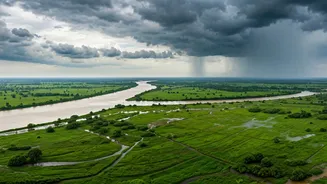
According to the IMD, this wet spell is here to stay for a while. Forecasts issued on June 27 indicate that fairly widespread to widespread rainfall is likely to continue across Chhattisgarh until at least July 3. [22] The weather agency has also predicted isolated heavy rainfall spells for the state during this period. [20, 22] This suggests that the monsoon will remain vigorous, further boosting water levels in reservoirs and providing ample moisture for agriculture. However, residents are advised to remain cautious, as thunderstorms and lightning are also expected to accompany the rainfall. The IMD has specifically warned of continued thunderstorm and lightning activity over the state for the next several days. [11, 20]