


The Danger of Drowning Your Plants
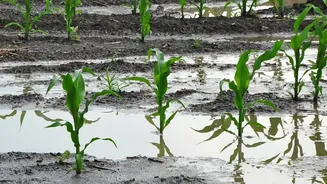
It’s a common mistake born from good intentions. We see a thirsty-looking plant and give it a generous soak, but soggy soil can be a death sentence. When soil is completely saturated, its pores fill with water, pushing out the oxygen that roots need to
breathe and function. This oxygen-deprived environment, known as waterlogging, prevents roots from absorbing water and nutrients properly, leading to wilting even when the soil is wet. Worse, it creates the perfect breeding ground for anaerobic bacteria and fungi that cause root rot, which can quickly kill a plant. Symptoms often start with yellowing lower leaves and a halt in growth before the base of the stem turns dark and mushy.
Soil's Three States of Moisture
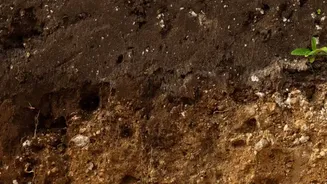
To understand the 'useful reservoir', it helps to think about the three main states of water in soil. The first is saturation, which happens right after a heavy watering. At this point, all the soil's pores are filled with water, and there is no air for the roots. Soon after, gravity pulls the excess water downwards, out of the larger pores. The water that remains is called 'field capacity'. This is the ideal state—the soil holds the maximum amount of water available to the plant without being waterlogged. Finally, if the soil continues to dry out, it will eventually reach the 'permanent wilting point'. At this stage, the remaining water is held so tightly by soil particles that the plant's roots cannot pull it out, and the plant will wilt and eventually die.
Finding the 'Useful Reservoir'
The useful reservoir for your plant is the water held in the soil between field capacity and the permanent wilting point. This is often called Plant Available Water (PAW). Think of it as the water stored in a sponge after it’s been soaked and then allowed to stop dripping. That remaining moisture is what the plant can actually access and drink. The size of this reservoir depends heavily on your soil's texture. Sandy soils have large particles and drain quickly, holding less available water. Clay soils have tiny particles and can hold a lot of water, but they hold it so tightly that less of it is actually available to the plant. Loam and silt loam soils are often considered ideal because they strike a balance, holding a generous amount of water that plants can easily access.
How to Manage Your Plant's Water Supply
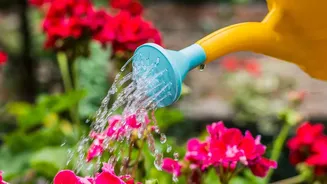
The goal for any gardener is to keep the soil moisture within that 'useful reservoir' as much as possible, avoiding both saturation and the wilting point. Instead of watering on a rigid schedule, check the soil itself. The classic finger test is a reliable method: stick your finger about an inch or two into the soil. If it feels dry at that depth, it’s likely time to water. When you do water, do it deeply and thoroughly until water runs out of the drainage holes. This ensures the entire root zone is moistened and encourages deep root growth. Then, allow the soil to partially dry out before watering again. This cycle of deep watering followed by a drying period helps maintain that perfect balance of moisture and oxygen, creating the ideal environment for your plant's roots to thrive.
Improving Your Soil's Reservoir
You can improve your soil’s ability to act as a useful reservoir. Adding organic matter like compost or well-rotted manure is one of the best things you can do. Organic matter helps improve soil structure; in sandy soils, it helps retain more water, and in clay soils, it helps create larger pores for better drainage and aeration. This makes the soil more resilient and forgiving. For potted plants, using a high-quality potting mix with ingredients like peat moss or coco coir, which are lightweight and absorbent, is key. In the garden, creating raised beds can also be an effective solution to prevent waterlogging, as they allow excess water to drain away freely.