




The Monsoon Comfort Factor
There’s a certain magic to the monsoon in India. It’s a season of relief, romance, and an undeniable urge for comfort. This comfort often translates to our plates. We instinctively reach for 'garma-garam' food—hot, freshly prepared meals that feel like
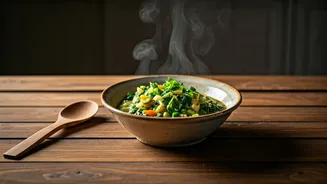
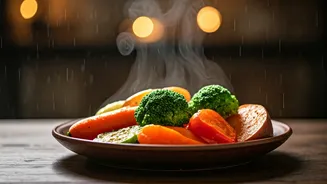
a warm hug from the inside. While fried snacks are an easy go-to, a bowl of perfectly cooked vegetables offers a similar, yet far more nourishing, sense of solace. Think of a simple, steaming-hot lauki ki sabzi, a fragrant pumpkin curry, or a colourful medley of stir-fried vegetables. They provide warmth that counters the damp chill in the air, creating a feeling of contentment that a cold salad simply cannot match during a downpour.
A Smart Move for Your Tummy
Beyond pure comfort, there’s a practical, health-conscious reason to favour cooked vegetables during the rainy season. The monsoon is notorious for bringing a spike in water-borne diseases and digestive issues. Our digestive systems can become more sluggish, and our immunity might take a dip. Traditional wisdom, including principles from Ayurveda, often advises against consuming too many raw foods during this time. Raw vegetables can harbour bacteria and are harder for the body to break down. Cooking, on the other hand, not only kills most harmful germs but also begins the process of breaking down tough plant fibres. This makes the vegetables easier to digest and ensures your body can absorb their nutrients more efficiently, giving your gut a much-needed break while keeping you nourished.
Unlocking Deeper Flavours
Many believe that cooking vegetables means destroying their flavour and nutrients. This couldn't be further from the truth. The right cooking method doesn't erase taste; it transforms and concentrates it. Think about the sweet, caramelised edges of a roasted sweet potato, or how onions and tomatoes melt into a rich, flavourful base for a curry. Cooking allows spices to bloom and meld with the vegetables in a way that just isn't possible in a raw state. A simple tadka of mustard seeds, cumin, and hing can elevate a humble gourd from bland to brilliant. Steaming, sautéing, roasting, or simmering—each technique unlocks a different dimension of the vegetable, creating complex layers of flavour that are both exciting and deeply familiar.
Your Monsoon Sabzi Starter Kit
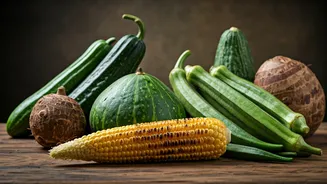
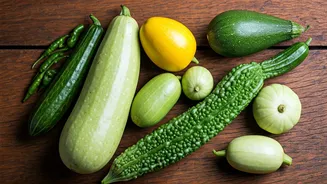
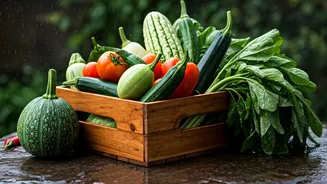
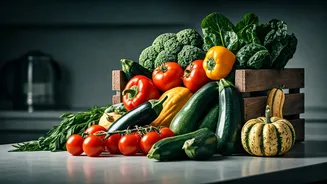
So, which vegetables should you be adding to your basket? The monsoon brings a bounty of wonderful produce perfectly suited for cooking. Gourds like bottle gourd (lauki), ridge gourd (tori), and snake gourd (chichinda) become wonderfully tender when cooked in a light curry. Root vegetables like potatoes, yams (suran), and sweet potatoes are perfect for roasting or adding substance to stews. Pumpkin (kaddu) is a star, turning sweet and creamy in both savoury and sweet preparations. And don't forget the greens! While you should wash them extra carefully, cooking spinach, fenugreek (methi), and amaranth leaves makes them safe and delicious. Even the humble corn on the cob (bhutta), roasted over coals and slathered with lemon and masala, is a quintessential cooked monsoon delight.
Beyond the Basic Bhaji
Upgrading your rainy plate doesn't have to be complicated. If you're tired of your usual stir-fry, try something new. Blend roasted pumpkin and carrots into a velvety soup, seasoned with a touch of ginger to ward off colds. Mash boiled potatoes and peas with spices to create a filling for a hot, flaky paratha. Lightly steam a medley of beans, carrots, and cauliflower and toss them in a simple peanut-based sauce for a South Indian-style poriyal. Even a simple dish of dal can be transformed into a complete meal by simmering it with chopped spinach or bottle gourd. The possibilities are endless, and they all lead to a more interesting, wholesome, and satisfying rainy-day meal.