






The Dawn of a New Trail
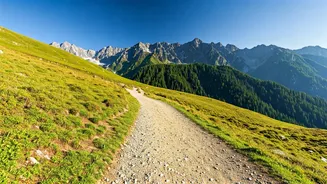
Imagine walking a path that has been traversed by royals, monks, and messengers for centuries. This is the promise of Bhutan’s new focus on sustainable trails, chief among them being the legendary Trans Bhutan Trail. Reopened in 2022 after 60 years, this
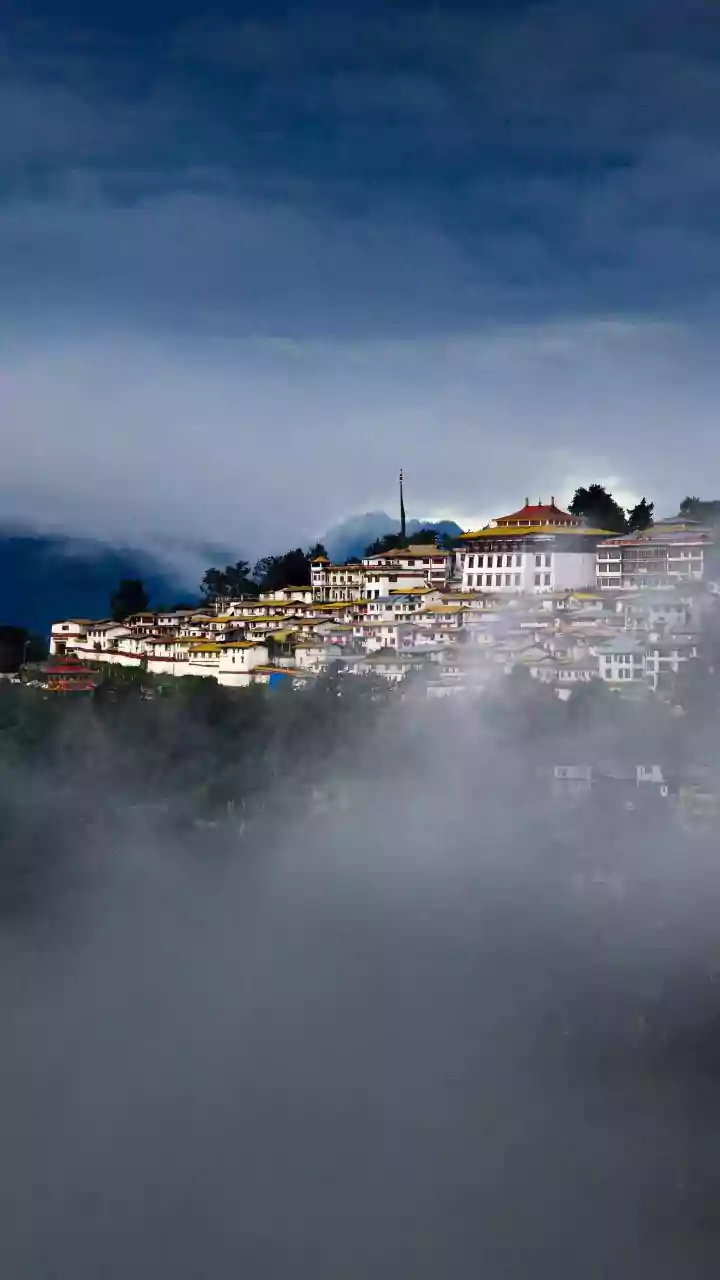
403-kilometre route winds its way from Haa in the west to Trashigang in the east. But you don't have to walk the entire length. The trail is designed to be experienced in sections, allowing travellers to choose day hikes or multi-day treks that fit their schedule and fitness level. These trails are more than just walking paths; they are corridors into the heart of Bhutanese culture. They connect remote villages, ancient dzongs (fortresses), and sacred monasteries, ensuring that tourism revenue directly benefits the local communities who act as hosts, guides, and custodians of this incredible natural and cultural heritage.
Unpacking the 'Affordable' Claim
Let’s address the elephant in the room: Bhutan and 'affordable' are not words usually found in the same sentence. The country's 'High-Value, Low-Volume' tourism model famously included a high daily fee for international tourists. However, the rules have always been different for visitors from India. While there was no fee previously, Bhutan has now instated a modest Sustainable Development Fee (SDF) of Nu. 1,200 (roughly ₹1,200) per person, per day for Indian nationals. This is significantly lower than the USD 100 (around ₹8,300) per day levied on other international tourists. This fee directly funds Bhutan's free healthcare and education, as well as its conservation efforts. By paying it, you are not just a tourist; you are a contributor to the nation's well-being. This transparent, pay-as-you-go model makes planning a trip much more flexible and, ultimately, more affordable than the previous all-inclusive packages required for most foreigners.
More Than a Trek, It’s an Immersion
What does your SDF and trip cost get you? An experience that is increasingly rare in our hyper-connected world. It’s the taste of hot butter tea in a farmer’s home after a day of hiking. It’s the sound of prayer flags fluttering in the wind against a backdrop of snow-capped peaks. It’s the chance to spot a takin, Bhutan's quirky national animal, in its natural habitat. The sustainable trails are designed for deep immersion. Instead of staying only in tourist hotels, you can opt for homestays and community-run guesthouses. This allows for genuine cultural exchange and ensures your money supports the rural economy directly. You're not just observing Bhutan from a tour bus; you're living it, step by step, sharing meals and stories with the people who call these mountains home. This focus on authentic connection is the true 'value' of the journey.
A Blueprint for Responsible Travel
Bhutan's trail system isn't about attracting hordes of tourists. It is a carefully considered evolution of its tourism philosophy. The country remains the world's only carbon-negative nation, and these trails are designed to keep it that way. By encouraging travel on foot, the model reduces the carbon footprint associated with road travel. It also helps preserve ancient pathways that were falling into disuse, protecting a vital piece of Bhutan's history. For the modern traveller, especially one conscious of their environmental and social impact, this is a powerful proposition. It’s a chance to participate in a form of tourism that gives back more than it takes, preserving both the environment and a unique way of life for future generations.
Planning Your Himalayan Escape
Ready to pack your bags? Spring (March-May) and Autumn (September-November) offer the best weather, with clear skies and pleasant temperatures. For most trail sections, a moderate level of fitness is sufficient, but it’s wise to prepare with regular walks or hikes. While Indians can enter Bhutan with a valid passport or Voter ID card, all travel on the sustainable trails must be arranged through a licensed Bhutanese tour operator. They will handle your permits, guides, accommodation, and transportation, ensuring your trip is seamless and adheres to the country's regulations. A good operator can help you customise an itinerary, whether you want a challenging multi-day trek or a series of gentle day hikes combined with cultural sightseeing.