





Why Your Skin Changes in the Monsoon
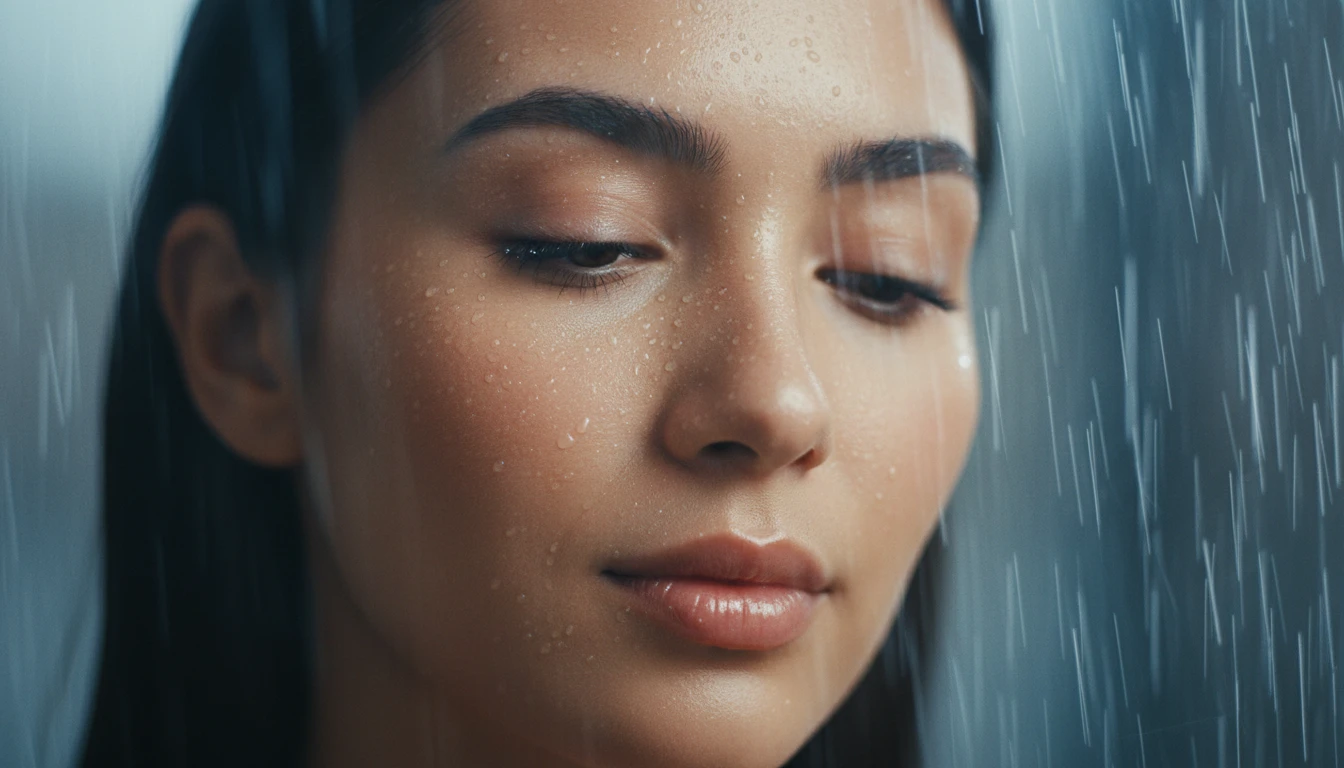
The rainy season brings a dramatic spike in humidity. This moisture-heavy air slows down the natural evaporation of sweat from your skin. The result? A sticky, damp surface where oil, sweat, and environmental pollutants can accumulate, leading to clogged
pores. This environment also encourages the growth of bacteria and fungi, which is why issues like acne, folliculitis, and fungal infections become more common. Many people find their skin becomes oilier as the warm, moist air can stimulate sebaceous glands to produce more sebum, disrupting your skin's natural balance.
Cleanse Thoroughly, But Gently
Proper cleansing is your first line of defence. It's crucial to wash your face twice a day to remove the build-up of grime, sweat, and excess oil. However, avoid harsh, stripping soaps that can damage your skin's protective barrier. Instead, opt for a gentle, pH-balanced gel or foaming cleanser. For those who wear makeup or sunscreen, a double-cleansing routine in the evening is highly effective. Start with an oil-based cleanser to break down products, followed by your regular water-based cleanser to purify the skin.
Exfoliate to Unclog Pores
With increased oil and dead cells, exfoliation becomes more important during the monsoon. It helps to slough away dead skin cells that can clog pores and lead to breakouts. Chemical exfoliants containing Alpha Hydroxy Acids (AHAs) like glycolic acid, or Beta Hydroxy Acids (BHAs) like salicylic acid, are particularly effective. BHAs are oil-soluble, allowing them to penetrate deeper into pores to clear out congestion. However, be mindful not to overdo it; exfoliating two to three times a week is usually sufficient for most skin types.
Switch to a Lightweight Moisturiser
A common mistake during the monsoon is skipping moisturiser because the skin already feels sticky. But humidity does not equal hydration, and your skin can still become dehydrated. In fact, skipping moisturiser can cause your oil glands to produce even more oil to compensate. The key is to switch from heavy creams to lightweight, non-comedogenic (pore-clogging) formulas. Look for gel-based or water-based moisturisers containing humectants like hyaluronic acid and glycerin, which provide hydration without greasiness.
Never Skip Sunscreen, Even on Cloudy Days
This is perhaps the most crucial and overlooked step. The clouds may block visible sunlight, but up to 80% of harmful UV rays can still penetrate them and damage your skin. These rays contribute to premature ageing, tanning, and hyperpigmentation. Since heavy sunscreens can feel uncomfortable in the humidity, opt for a lightweight, broad-spectrum sunscreen with an SPF of 30 or higher. Gel-based or fluid formulas are excellent choices for the rainy season as they absorb quickly without leaving a sticky residue.
Tackle Breakouts and Infections Head-On
The damp conditions are a breeding ground for acne-causing bacteria and fungi. To manage breakouts, incorporate ingredients like salicylic acid or benzoyl peroxide into your routine. Tea tree oil is also known for its natural antibacterial and antifungal properties, making it a great ingredient in cleansers or spot treatments. To prevent fungal infections, keep your skin, especially folds like underarms and between the toes, clean and dry. Wearing loose, breathable cotton clothing can also make a significant difference.