


The Danger of Contaminated Water
That innocent-looking puddle your dog loves to splash in can be a serious health hazard during the monsoon. Streets and parks are often flooded with water that may be contaminated with bacteria, parasites, and toxins. One of the most significant threats
is Leptospirosis, a severe bacterial infection spread through the urine of infected animals, especially rodents, which are often displaced during heavy rains. The bacteria thrive in stagnant water and can enter a dog's body through small cuts or when they drink from puddles. Symptoms can include fever, vomiting, muscle pain, and lethargy, and the disease can lead to kidney or liver failure if left untreated. Vets strongly advise preventing pets from drinking from any outdoor water sources; always provide fresh, clean water at home.
Paw Care is Paramount
A pet's paws are on the frontline during monsoon walks, coming into direct contact with mud, dirty water, and debris. The constant dampness can lead to painful and persistent problems if not managed carefully. Moisture trapped between the paw pads creates a perfect breeding ground for fungal and bacterial infections, a condition sometimes called 'paw rot'. It is crucial to establish a strict post-walk routine. Vets recommend thoroughly washing paws with lukewarm water and a gentle cleanser after every single walk. Afterwards, drying them completely is non-negotiable, especially the delicate skin between the toes where infections often start. For long-haired breeds, trimming the fur around the paws can help them dry faster and trap less mud. Regularly inspecting paws for redness, swelling, or any signs of irritation can help catch issues early.
The Rise of Ticks and Fleas
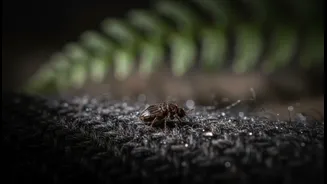
The warm, humid weather of the monsoon is the peak breeding season for parasites like ticks and fleas. These pests thrive in damp grass and soil, making it easy for them to latch onto your pet during walks. Tick and flea infestations are not just an itchy nuisance; they can transmit dangerous diseases like tick fever (Ehrlichiosis and Babesiosis), which cause symptoms like high fever, anemia, and lethargy. Prevention is the best strategy. Veterinarians recommend using a vet-approved tick and flea preventive treatment—such as a spot-on, collar, or oral tablet—consistently throughout the season. Daily checks are also vital. After walks, run your hands through your pet’s coat, paying close attention to warm, hidden areas like under the ears, neck, armpits, and between the toes.
Skin and Coat Health
Constant dampness is an enemy to your pet's skin. A coat that remains wet for extended periods traps moisture against the skin, leading to a host of problems including fungal infections, yeast infections, and painful bacterial rashes known as 'hot spots'. It's essential to dry your pet thoroughly after any exposure to rain. A super-absorbent towel is a must-have, and for some dogs, a hairdryer on a low, cool setting can help ensure their undercoat is completely dry. Regular brushing is also more important during the monsoon, as it helps remove debris, prevent matting in damp fur, and improve air circulation to the skin. Some vets suggest considering a shorter trim for long-coated breeds to make maintenance easier during these wet months.
Gastrointestinal and Respiratory Issues
Beyond external threats, the monsoon can also affect your pet's internal health. Drinking contaminated water can lead to gastrointestinal problems like diarrhoea and vomiting. To prevent this, ensure your pet only drinks fresh, filtered, or boiled water at home. The damp and cool weather can also make pets, especially puppies and seniors, more susceptible to respiratory infections like kennel cough or even pneumonia. Keeping them warm and dry, and ensuring their bedding is not on a cold, damp floor, can help protect their respiratory health. Pay attention to your pet's appetite and energy levels, as changes can be early indicators of illness.