







More Than Just a Drink
Let's be clear: calling masala chai a 'drink' is like calling the monsoon 'a bit of rain'. It’s a gross understatement. When the skies open up, chai transforms from a daily habit into a full-blown sensory experience, a comforting ritual, and a low-key
wellness potion. It’s the warm counterpoint to the damp chill, the spicy aroma that cuts through the gloom, and the emotional anchor in a season of turbulent beauty. In the grand theatre of the Indian monsoon, with its dramatic lightning and thunderous applause, masala chai isn't just a supporting character; it's the unassuming hero we all turn to.
A Sensory Shield Against the Gloom
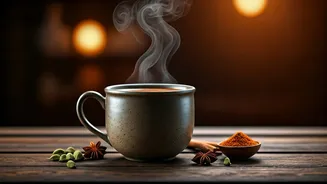
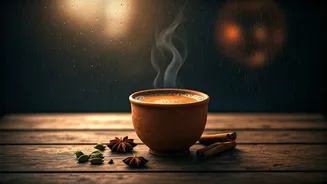
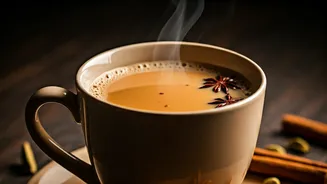
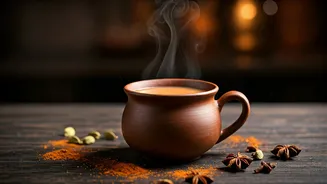
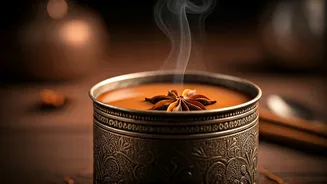
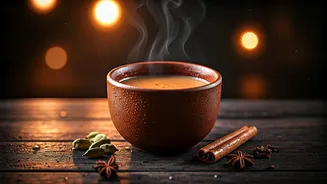
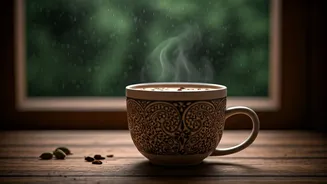
The monsoon, for all its romance, can be relentless. The persistent dampness seeps into our clothes, our homes, and even our moods. This is where chai’s first heroic act comes into play: it provides immediate, tangible comfort. The warmth of the cup in your hands is a small but potent weapon against the chill. But the magic truly begins with the aroma. The sharp, invigorating scent of crushed ginger, the sweet warmth of cinnamon, the fragrant perfume of cardamom, and the earthy spice of cloves and black pepper create a powerful aromatic shield. Inhaling that steam is a form of aromatherapy, instantly lifting the spirits and making a cosy nook feel like the safest, most comfortable place in the world.
The Comforting Potion We Trust
The monsoon season often brings a spike in coughs, colds, and a general feeling of lethargy. Long before we had modern remedies, we had the wisdom of the kitchen spice box. Masala chai is, in essence, a delicious decoction of traditional wellness. Ginger is famed for its anti-inflammatory properties and its ability to soothe a sore throat. Cloves and black pepper are known for their antibacterial qualities, while cardamom is traditionally used to aid digestion. Cinnamon is packed with antioxidants. While a cup of chai is no substitute for medicine, it serves as a comforting, traditional remedy that makes us feel cared for. It’s the warm hug in a mug that our mothers and grandmothers trusted, a gentle, preventative ritual that fortifies us from the inside out.
The Ultimate Social Glue
Rain has a way of pausing life. Plans are cancelled, streets get waterlogged, and we’re often forced to stay indoors. This enforced stillness is where chai performs its next feat: it brings people together. The act of making chai is a communal one—'Chalo, chai banate hain!' is a call to gather. It’s the perfect excuse for an impromptu 'pakora party'. It fuels hours of conversation in college canteens as students wait out a downpour. It’s the humble offering that turns a street-side stall under a leaky tarpaulin into a temporary community centre, where strangers bond over a shared moment of shelter and warmth. In a season that can feel isolating, chai is the great connector, sparking conversations and strengthening bonds one small cup at a time.
A Ritual of Personal Peace
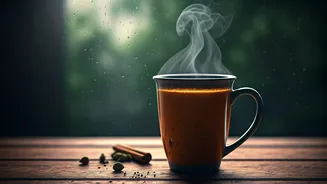
Beyond its social role, chai is also a deeply personal ritual. The process of making it—pounding the spices, watching the water boil, seeing the milk turn that perfect shade of ochre—is a mindful practice. It’s a few minutes of quiet focus in a chaotic world. For many, that first sip of chai while watching the rain fall from a window or a balcony is a moment of pure, unadulterated peace. It’s a time for reflection, for enjoying the simple pleasure of being present. It’s a nostalgic anchor, connecting us to countless rainy days from our past. This ritualistic aspect is perhaps chai’s most subtle but powerful heroic quality; it doesn’t just warm our bodies, it calms our minds.