


The Heart of the Feast: Bhoger Khichuri
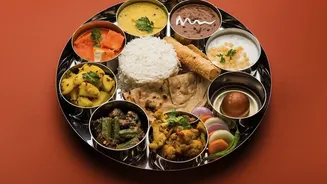
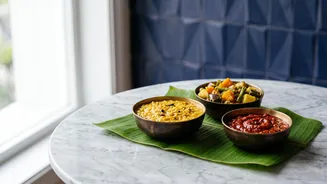
Bhoger Khichuri is more than just a dish; it's a sacred offering. What sets it apart is its 'niramish' nature—cooked without any onion or garlic. The magic lies in two key elements: roasting the moong dal and using a fragrant, short-grain rice like Gobindobhog.
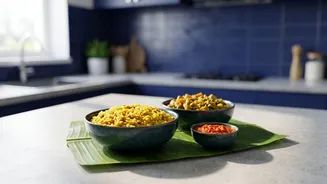
The roasted dal lends a wonderfully nutty aroma that is the signature of this festive preparation. This one-pot meal is both comforting and deeply flavourful, simmered with whole spices, ginger, and vegetables like potatoes and cauliflower. To make it fast, do your prep work first. Dry roast the dal while your vegetables are being chopped. Using a heavy-bottomed pan prevents sticking and ensures even cooking. Quick Recipe: Dry roast 1 cup of moong dal until golden and aromatic. In a large pot, heat ghee and temper with bay leaves, cumin seeds, dried red chillies, and whole spices like cinnamon, cardamom, and cloves. Add 1 tablespoon of grated ginger and saute. Add cubed potatoes and cauliflower florets, frying them lightly. Add the roasted dal and 1 cup of washed Gobindobhog rice, stirring for a minute. Pour in about 6-8 cups of hot water, add turmeric powder, salt, and a pinch of sugar. Cover and cook until the rice and dal are soft and the khichuri reaches a thick, porridge-like consistency. Finish with a final dollop of ghee before serving.
The Perfect Partner: Soulful Labra
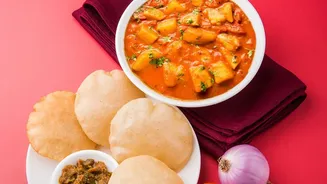
No khichuri is complete without its ideal companion, Labra. This traditional Bengali mixed vegetable dish is a medley of seasonal produce cooked together until they are soft and almost melting into each other. Like the khichuri, it is also 'niramish'. The beauty of Labra lies in its harmonious blend of diverse textures and flavours, with each vegetable still retaining a hint of its individual character. Key vegetables include pumpkin, potatoes, eggplant, and beans, though you can use a variety of whatever is available. The tempering is crucial and is done with 'panch phoron', the quintessential Bengali five-spice mix containing fennel, fenugreek, nigella, cumin, and mustard seeds. This spice blend, when sizzled in hot mustard oil, releases an aroma that is unmistakably Bengali. A little sugar is added to balance the flavours, complementing the natural sweetness of the pumpkin. Easy Recipe: Heat 2-3 tablespoons of mustard oil in a pan. Add 1 teaspoon of panch phoron and a couple of dried red chillies. Once they crackle, add cubed vegetables. Start with hard vegetables like potatoes and pumpkin first, followed by softer ones like eggplant after a few minutes. Add 1 teaspoon of grated ginger, turmeric powder, cumin powder, and salt to taste. Stir well to coat the vegetables. Cover and cook on a low flame, stirring occasionally, until all the vegetables are tender and mushy. You may need to add a small splash of water to prevent sticking. Finish with a pinch of sugar and a touch of ghee for that authentic bhog flavour.
A Sweet & Tangy Finish: Tomato Chutney
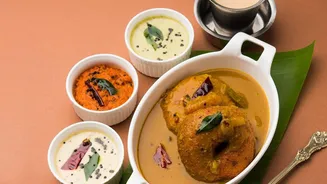
To cut through the richness of the khichuri and labra, a sweet and tangy chutney is served at the end of the meal. Bengali tomato chutney, often made with dates (khejur), is the perfect palate cleanser. It’s a simple, quick preparation that balances sweet, sour, and spicy notes beautifully. The chutney's jewel-like colour and rich texture make the meal feel complete. Using ripe, juicy tomatoes is key to a good result. The addition of raisins and chopped dates provides bursts of sweetness and a delightful texture. Just like the labra, this chutney also often starts with a tempering of panch phoron in mustard oil, which gives it a distinct, complex flavour base. Simple Recipe: Heat 1 tablespoon of mustard oil in a small pan. Add ½ teaspoon of panch phoron and 1-2 dried red chillies. When the spices splutter, add 2 cups of roughly chopped ripe tomatoes and a pinch of salt. Cook until the tomatoes turn soft and pulpy. Now, add ¼ cup of sugar or jaggery, a handful of raisins, and 2-3 chopped dates. Stir well and let it simmer for another 5-7 minutes until the chutney thickens to a jam-like consistency. You can also add a pinch of roasted spice powder (bhaja masala) at the end for an extra layer of aroma. Let it cool before serving.
Tips for a Fast and Easy Bhog
The secret to a 'fast and easy' bhog experience lies in preparation and workflow. First, read through all the recipes and prep all your ingredients. Chop all the vegetables for the khichuri and labra at once. Keep your spices measured and ready. Second, multitask. While the dal for the khichuri is dry-roasting, you can start the tempering for the labra in another pan. Using a pressure cooker can speed up the cooking time for the khichuri significantly, but traditionalists prefer an open pot for better texture control. Third, embrace simplicity. Don't worry about having a dozen different vegetables for the labra; use what you have. The spirit of the dish lies in the mix, not a rigid list. Finally, the flavour of bhog is as much about devotion as it is about ingredients. Cooking with a calm and happy mind is believed to enhance the taste of this sacred food. Prepare these dishes with love, and the experience will be as rewarding as the delicious meal itself.