




The Chutney Gets a Conscience
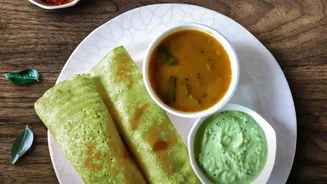
For generations, chutneys have been the vibrant, flavourful soul of the Indian thali. Whether it's the fiery red chilli-garlic paste, the refreshing mint-coriander green, or the staple coconut accompaniment for dosas and idlis, these condiments are a non-negotiable
part of our culinary identity. But as more people look for ways to make every meal healthier without sacrificing taste, the humble chutney is undergoing a quiet revolution. Home cooks and nutrition experts are now swapping or supplementing traditional ingredients with nutrient-dense powerhouses, particularly seeds. This shift isn't about replacing the classics but enhancing them, packing more protein, fibre, and essential nutrients into every delicious bite.
Flaxseed: The Omega-3 Powerhouse
Known as 'Jawas' in Maharashtra or 'Alsi' in Hindi, flaxseed chutney is a perfect example of this modern health movement rooted in tradition. These tiny brown seeds are celebrated for being one of the best plant-based sources of omega-3 fatty acids, which are crucial for heart and brain health. They are also incredibly high in dietary fibre, aiding digestion and helping to keep you feeling full for longer. To prepare it, flaxseeds are typically dry-roasted to bring out their nutty, earthy flavour and then ground with garlic, red chillies, cumin, and a hint of salt. The resulting dry chutney powder is a versatile condiment that can be sprinkled over salads, mixed into yoghurt, or enjoyed with a simple roti and ghee.
Pumpkin Seeds: A Dose of Minerals
Often discarded, pumpkin seeds are nutritional gems that are now taking centre stage in the chutney world. They are an excellent source of magnesium, which is vital for regulating stress and promoting good sleep, and zinc, which supports immune function. When roasted, pumpkin seeds develop a deep, slightly sweet nuttiness that pairs beautifully with the sharp heat of dried red chillies and the tartness of tamarind. The process of dry roasting also helps break down phytic acid, making minerals like zinc and iron more easily absorbed by the body. This creamy, flavourful chutney is a fantastic way to add a dose of essential minerals to any meal, from dal-rice to sandwiches.
Sunflower Seeds: The Vitamin E Boost
Sunflower seeds are another fantastic addition to the healthy chutney lineup. They are one of the richest plant sources of Vitamin E, a powerful antioxidant that protects cells from damage and is excellent for skin health. Similar to peanut chutney in its textural role, sunflower seed chutney offers a lighter, milder flavour that allows the spices to shine. Typically prepared as a 'pudi' or dry powder, it is made by dry-roasting the seeds with garlic, chillies, and cumin. Rich in healthy fats, protein, and fibre, this chutney is not only filling but also helps in keeping blood sugar levels stable.
Beyond the Big Three
The innovation doesn't stop with these seeds. Health-conscious foodies are experimenting with a wide array of ingredients. Black sesame seed ('til') chutney delivers protein and powerful antioxidants. Curry leaf chutney, a South Indian staple, is packed with iron and is believed to support hair health and digestion. Even vegetables are getting a fresh look, with chutneys made from beetroot, carrot, and zucchini offering a low-calorie, high-fibre alternative to traditional recipes. This trend proves that our traditional foods are endlessly adaptable, ready to evolve to meet modern wellness goals.