



If your protein powder only ever sees the inside of a shaker bottle, you're missing out. Moving beyond the post-workout shake opens up a world of culinary possibilities, making it easier than ever to boost your daily protein intake.
Beyond the Shaker Bottle
Integrating protein
powder into meals you already enjoy is a simple strategy to make your food more nutritious and satisfying. Adding protein can help you feel fuller for longer, support muscle maintenance, and make it easier to reach your daily nutrition goals. This is especially useful if you find drinking shakes repetitive or want to make your favorite treats work a little harder for you. From turning pancakes into a power-packed breakfast to fortifying soups, cooking with protein powder is a versatile way to enhance your diet without a complete overhaul.
Does Cooking Damage the Protein?
One of the most common questions is whether heat destroys the nutritional benefits of protein powder. The short answer is no. While heat does change the protein's structure in a process called denaturation, this is the same thing that happens when you cook an egg or a piece of chicken. Your body can still break down the denatured protein and absorb the essential amino acids it needs for muscle repair and other functions. So, you can feel confident adding it to your baked goods or warm dishes without losing the protein punch.
Choosing the Right Powder
Not all protein powders behave the same way in the kitchen. Whey and casein, both derived from milk, are popular for baking. Whey protein mixes easily and helps create a softer, lighter texture in baked goods. Casein absorbs more liquid and can help keep foods moist, making it a great choice for certain recipes. Plant-based powders like pea or soy protein are also excellent options, but they tend to be more absorbent and may result in denser final products. For the most versatility, especially in savory cooking, an unflavored powder is your best bet as it won't interfere with the taste of your dish.
Tips for Baking Success
Baking with protein powder requires a few adjustments for the best results. A crucial rule is to not replace all the flour in a recipe with protein powder, which can lead to a dry and rubbery texture. A good starting point is to substitute about one third of the flour with protein powder. Since protein powder is very absorbent, you'll need to increase the liquid ingredients—like milk, water, or yogurt—to maintain the right batter consistency. Adding moisture rich ingredients like mashed banana, applesauce, or Greek yogurt can also help prevent dryness. Finally, keep an eye on your bake time, as protein fortified goods often cook faster than their traditional counterparts.
Sweet and Savory Ideas
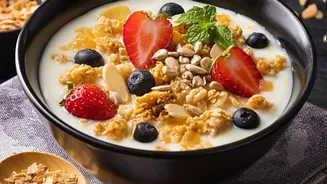
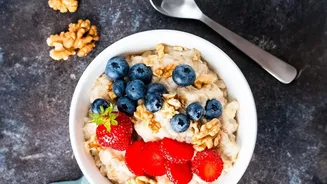
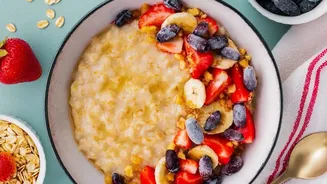
The options for using protein powder are nearly endless. For a protein packed start to your day, stir it into oatmeal, or add it to pancake and waffle batter. It's also a great addition to no bake energy balls, cookies, and muffins. But don't limit yourself to sweets. Unflavored protein powder can be a 'stealth ingredient' in savory dishes. Whisk it into soups and stews to act as a thickener, blend it into pasta sauces, or mix it into dips like hummus for an extra nutritional boost. You can even stir it into scrambled eggs or mashed potatoes to make your meals more substantial.