



The Scale of Our Kitchen Waste Problem
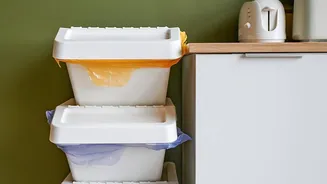
Indian households generate a staggering amount of waste, with studies indicating that organic or 'wet' waste, like vegetable peels and leftovers, makes up about half of the total municipal solid waste. In 2022 alone, Indian homes were estimated to have
thrown away 78.2 million tonnes of food. When this organic matter gets dumped in landfills, it decomposes without oxygen and releases methane, a greenhouse gas far more potent than carbon dioxide, which significantly contributes to climate change. Our landfills are overflowing, creating environmental and health hazards for communities. Tackling this mountain of waste is not just a civic duty but an environmental necessity, and it begins with managing what we throw away at home.
Why At-Home Composting is a Game-Changer
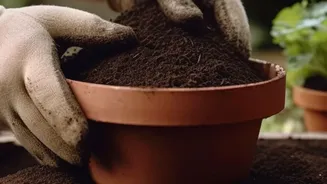
Composting at home is the single most effective action an urban family can take to combat this issue. It directly diverts a large portion of your household waste from landfills, immediately reducing your carbon footprint. The process transforms your kitchen scraps into a nutrient-rich, dark, soil-like material called compost. This 'black gold' is a fantastic natural fertilizer for your houseplants, balcony garden, or community park, improving soil health and helping it retain water. It saves you money on chemical fertilizers and reduces the collective burden on municipal waste management systems. By composting, you participate in a circular system, returning nutrients from your food back to the earth.
Hack 1: Basic Bin Composting for Beginners
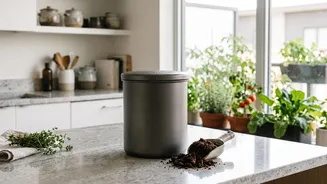
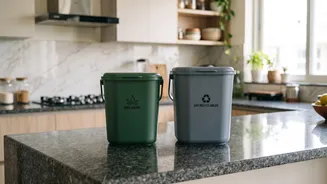
This is the simplest way to start, perfect for small apartments and requiring no special equipment. All you need is a bucket or any container with a lid. Drill a few holes around the upper sides and bottom for aeration. Start with a base layer of 'browns'—dried leaves, shredded newspaper, or coco peat. On top of this, add your daily 'greens'—vegetable peels, fruit scraps, coffee grounds, and tea leaves. After adding kitchen waste, always cover it with another thin layer of browns. This balance is key to avoiding odours and ensuring proper decomposition. Every few days, give the mixture a stir with a stick to introduce air. Keep the pile as moist as a wrung-out sponge, and in 45 to 60 days, you’ll have your first batch of homemade compost.
Hack 2: Vermicomposting for Balconies
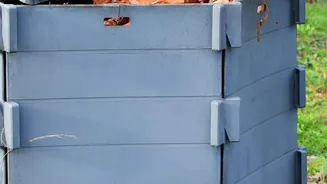
If you have a balcony or a small, shaded utility area, vermicomposting, or worm composting, is a highly efficient and odour-free method. It uses specific species of worms, like red wigglers, to break down food scraps quickly. You can use a dedicated stacked bin system or a simple plastic container. The bin needs a bed of moist shredded paper or cardboard, and then you can introduce the worms. Feed them your fruit and vegetable scraps (avoiding citrus, onions, meat, and dairy) by burying the waste under the bedding. The worms thrive in the stable temperatures of an apartment and will produce nutrient-dense 'worm castings', a premium fertilizer for your plants.
Hack 3: Bokashi for the Busiest Kitchens
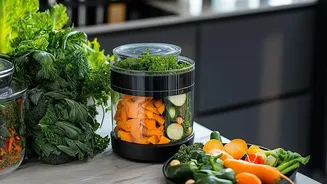
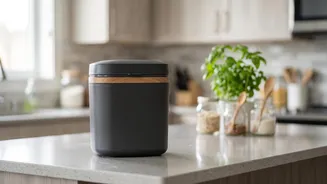
For those who want a faster, more versatile system that can handle all kitchen scraps—including meat, dairy, and oily foods—Bokashi is the answer. This Japanese method doesn't decompose waste but ferments (or pickles) it in an airtight bin using a special inoculant called Bokashi bran. You simply layer your food scraps in the Bokashi bin, sprinkling bran on each layer and pressing down to remove air. The bin has a spigot to drain a nutrient-rich 'tea' every few days, which can be diluted and used as a potent liquid fertilizer. After about two weeks, the fermented solids can be buried in a garden plot or a large pot with soil, where they will break down into rich compost very quickly.