
Passing the Orbital Baton
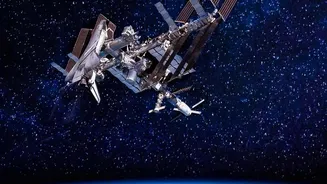
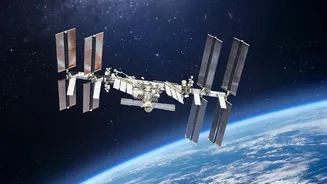
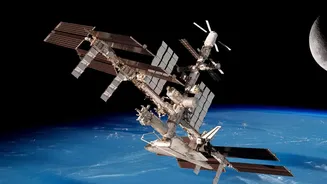
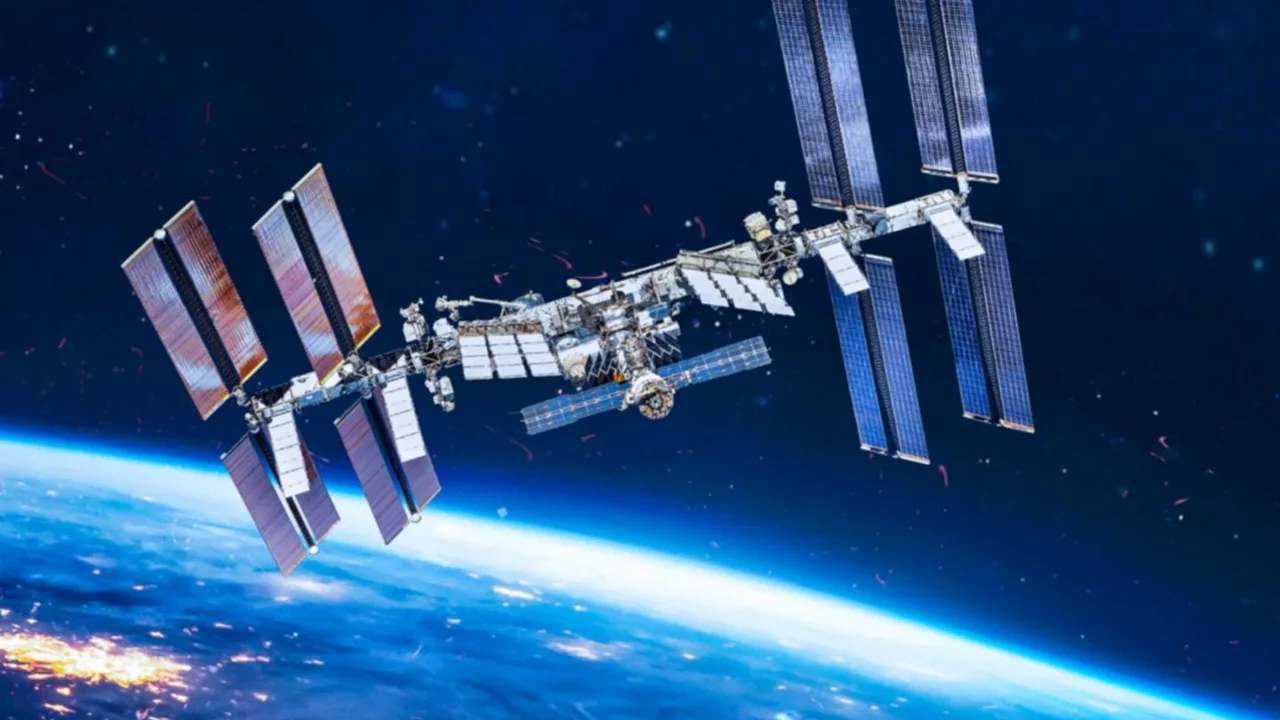
For over two decades, the ISS has been the sole human outpost in orbit, a symbol of international cooperation and a hub for groundbreaking science. But with its operational life ending, NASA is turning to the private sector to ensure there is no gap in American
presence in low-Earth orbit. Through its Commercial Low-Earth Orbit Destinations (CLD) program, NASA is actively funding and partnering with private companies to develop a new fleet of space stations. The goal is to transition from being the owner and operator of an orbital habitat to becoming just one of many customers in a bustling off-world economy. This strategic pivot is designed to lower costs for the government while sparking innovation and opening up new markets in space.
The Race to Build the Future
Several key players are vying to build the successor to the ISS. Axiom Space has a unique head start, having already flown multiple private astronaut missions to the station. The company plans to launch its first module, a payload, power, and thermal unit, to attach to the ISS as soon as 2027. Eventually, it will add more modules, including habitats and a research and manufacturing facility, before detaching to become a fully independent, free-flying station called Axiom Station. Another major contender is Vast, which aims to launch its single-module Haven-1 station in early 2027. Other significant projects include Orbital Reef, a 'mixed-use business park' in space developed by Blue Origin and Sierra Space, and Starlab, a joint venture between Voyager Space and Airbus. Starlab is being developed with European partners and is planned for a single launch aboard a SpaceX Starship.
A Laboratory and Factory in the Sky
These new commercial stations are being designed for more than just hosting government astronauts. They are platforms for a diverse orbital economy. The primary focus is on advanced research and development in the unique microgravity environment. This includes everything from developing new pharmaceuticals and studying cancer growth to creating novel materials that are impossible to produce on Earth. For example, research on past Axiom missions has already explored how cancer cells respond to drug treatments in space. Beyond pure science, these stations will serve as manufacturing hubs for high-value products like pristine fiber optics and flawless protein crystals for drug design. The business model for these stations relies on a mix of customers, including NASA, international space agencies, private companies, academic researchers, and even space tourists.
An Evolving Timeline
While the vision is clear, the path forward has seen some adjustments. NASA's CLD program has undergone several strategic shifts as the agency and industry work to find the most viable path forward for a commercial market. In early 2026, NASA briefly considered a plan where it would own a core module, but after industry feedback, it reverted to supporting fully commercial, free-flying stations. The timelines are ambitious and subject to the complex realities of spaceflight development. Axiom's first free-flying station is expected to be operational around 2028, with Starlab targeting 2029. Vast’s initial Haven-1 station could be in orbit by 2027, potentially becoming the first standalone commercial destination. These schedules are crucial, as the U.S. aims to avoid a period where it has no human presence in low-Earth orbit, especially as China's Tiangong space station is already operational and expanding its international partnerships.