
A Tapestry of Tradition
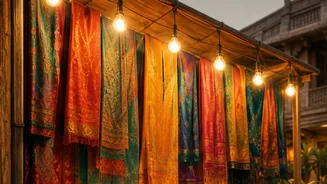
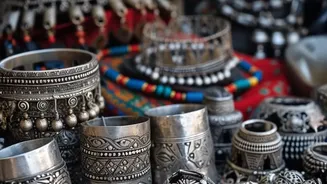
Imagine a place where every thread tells a story, and every colour holds a meaning. For five days, artisans from across Rajasthan gathered to display crafts that have been passed down through generations. From the bustling bazaars of Jaipur to the desert
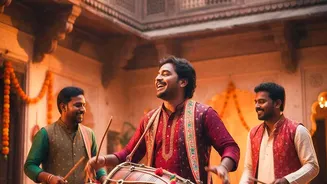
villages of Barmer, these textile arts are the lifeblood of communities, representing a cultural identity woven into fabric. Events like these are more than just exhibitions; they are vibrant, living museums where visitors can witness the magic of heritage crafts firsthand, from the rhythmic clatter of the loom to the delicate precision of a dyer's hand. These showcases aim to provide a crucial platform for artisans to connect with modern markets, ensuring their skills continue to thrive.
The Intricate Dance of Bandhani
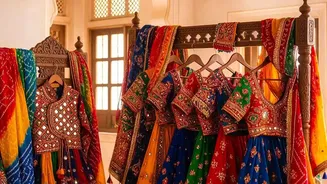
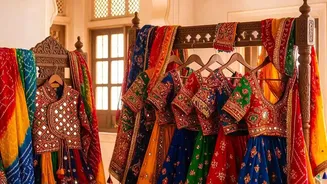
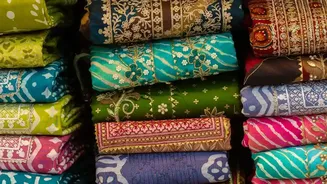
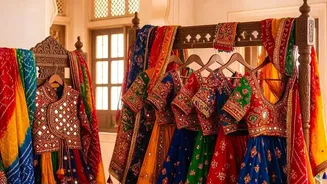
At the heart of Rajasthan's textile identity is Bandhani, an ancient art of tie-dye. The term comes from the Sanskrit word 'bandh,' meaning 'to tie'. The process is meticulous and breathtakingly complex. Artisans, predominantly women, use their fingernails to pinch tiny sections of fabric, which are then tightly bound with thread. These thousands of tiny knots resist the dye when the fabric is submerged, creating an intricate pattern of dots, squares, and waves when the threads are finally removed. The most common colours—vibrant reds, sunny yellows, and deep greens—are culturally significant, often symbolising marriage, happiness, and prosperity, making Bandhani an essential part of weddings and festivals like Teej and Navratri.
The Soul of the Handloom
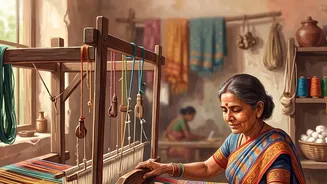
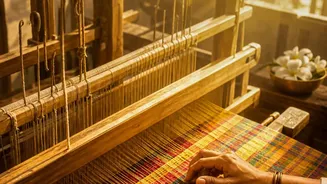
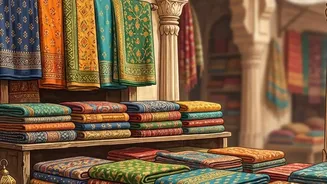
Alongside the kaleidoscope of Bandhani, the steady, rhythmic tradition of handloom weaving holds its own profound significance. In villages around Bikaner, Barmer, and Kota, weavers create textiles that are a testament to patience and precision. Crafts like 'Pattu' weaving, a tradition from the desert regions of Pokran and Jaisalmer, involve creating durable wool and cotton textiles designed to withstand extreme climates. Another celebrated example is Kota Doria, a lightweight fabric with a distinctive square pattern known as 'khat'. Woven on traditional pit looms, this blend of cotton and silk is prized for its airy, translucent quality. These handloom traditions are not just about producing cloth; they are about preserving a sustainable way of life and a deep connection to ancestral knowledge.
Voices of the Artisans
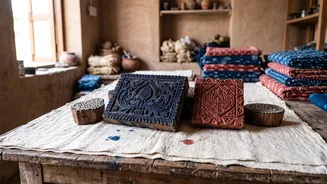
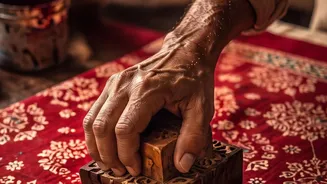
Behind every masterpiece of textile art are the artisans whose hands bring it to life. For generations, communities like the Chhipas in Sanganer have specialised in printing, while weavers in other regions have perfected their own unique styles. However, these craftspeople face significant challenges, from the competition of faster, machine-made imitations to younger generations seeking employment in cities. Organisations and government initiatives are working to empower these artisans by providing training, market access, and fair wages. These efforts help preserve not only the crafts themselves but also the livelihoods of entire communities, ensuring that this invaluable cultural heritage is not lost to time.
Weaving the Future
The showcase was not just a look into the past, but also a glimpse into the future. Many artisans are now innovating with their traditional skills, adapting ancient patterns for contemporary tastes. Traditional Pattu, once used for shawls and blankets, is now being woven into modern sarees, jackets, and home décor. Similarly, Bandhani is finding its way onto global fashion runways, celebrated for its handmade authenticity. This fusion of tradition and modernity is crucial for survival. By embracing new designs and markets while staying true to the soul of their craft, Rajasthani artisans are ensuring that their vibrant textile legacy continues to flourish, captivating a new generation of admirers around the world.