





First, What Is El Niño?
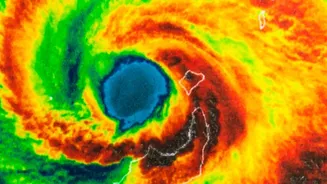
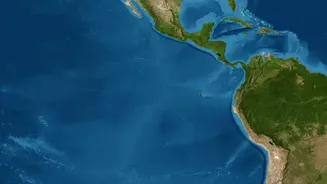
Think of the Pacific Ocean as a giant bathtub. Usually, winds push the warm surface water towards Asia, including India. But during an El Niño, these winds weaken or even reverse. Warm water sloshes back towards the Americas, dramatically changing sea
surface temperatures. This shift might seem distant, but it sets off a domino effect in global weather patterns. Scientists are warning that the El Niño developing in 2026 is strengthening and could become a historically strong event by the end of the year. This isn't just a routine climate cycle; its intensity makes its potential impacts more concerning.
The Critical Monsoon Connection
The Indian monsoon relies on a precise set of atmospheric conditions, including a significant temperature difference between the land and sea. El Niño disrupts this delicate balance. The warming of the Pacific Ocean alters air pressure and wind flows, which can suppress the formation of rain clouds over the Indian subcontinent. The result is often a weaker, delayed, or more erratic monsoon, leading to below-normal rainfall. While not every El Niño year results in a drought, the risk increases significantly. Forecasters have flagged that the developing El Niño poses a key risk to India's crucial southwest monsoon, which provides about 70% of the country's annual rainfall.
From Farms to Your Kitchen Table
The most immediate impact of a poor monsoon is on agriculture. Nearly half of India's farmland is rain-fed, making it highly dependent on monsoon showers for crops like rice, pulses, sugarcane, and oilseeds. Lower rainfall means lower crop yields. When supply dwindles, prices rise. This isn't a theoretical risk; it’s a direct hit on household budgets. The cost of vegetables, dals, and cooking oils can increase, creating food inflation that every family feels at the grocery store. Analysts have warned that El Niño could lift food prices across the Asia-Pacific region, with commodities like rice and palm oil being particularly vulnerable.
The Ripple Effect on Water and Power
The monsoon doesn't just water crops; it fills the country's reservoirs. These reservoirs are vital for drinking water supplies and, crucially, for generating hydroelectric power. A weak monsoon leads to lower water levels, which has a direct impact on electricity generation. Recent data from July and August 2026 has already shown a significant decline in hydropower output due to depleted reservoirs, a trend linked to the El Niño effect. To make up for the shortfall, especially as hotter temperatures drive up demand for air conditioning, India often has to rely more on coal-fired power plants. This can lead to higher energy costs, which eventually get passed on to consumers through higher electricity bills.
The Broader Economic Picture
The impact extends beyond individual bills. Agriculture is the backbone of the rural economy, providing livelihoods for a massive portion of the population. When farm incomes fall due to a poor monsoon, so does rural spending power. This creates a slowdown in demand for everything from tractors and two-wheelers to everyday consumer goods. This reduced rural demand can act as a drag on the entire national economy. The Reserve Bank of India closely monitors the monsoon precisely for this reason, as widespread agricultural distress can affect national inflation targets and economic growth projections.