








Beyond the Hype: A Shift in Philosophy
Remember when the 10-step Korean skincare routine first went viral? It seemed impossibly complex. Yet, beneath the layers of toners, essences, and ampoules lay a revolutionary idea that resonated deeply with Indian consumers: skincare is healthcare. Unlike
Western beauty, which often focuses on quick fixes and heavy concealment with makeup, K-beauty champions a long-term, preventative approach. The goal isn't to cover imperfections, but to achieve fundamentally healthy, hydrated, and radiant skin from within. This 'skin-first' philosophy shifted the conversation in India from hiding flaws to healing and nourishing the skin barrier, creating a loyal following that outlasted the initial social media frenzy.
Ingredients That Speak to Indian Skin
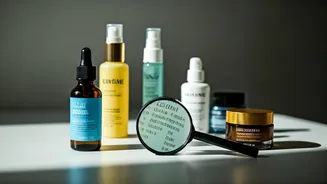
One of the biggest drivers of K-beauty's success is its focus on innovative yet gentle, science-backed ingredients. Indian consumers, who often battle hyperpigmentation, dehydration from harsh climates, and sensitivity, found their solutions in Korean formulations. Ingredients like Centella Asiatica (Cica) are perfect for calming inflammation and redness, while niacinamide is a powerhouse for tackling dark spots and uneven skin tone. Snail mucin and hyaluronic acid provide intense, non-greasy hydration that works beautifully in humid Indian weather. These weren't just exotic additions; they were targeted solutions for prevalent local concerns, delivering visible results without the irritation often associated with stronger active ingredients.
The Allure of the 'Glass Skin' Ideal
The pursuit of 'glass skin'—a complexion so luminous, dewy, and translucent that it resembles glass—is the ultimate K-beauty goal. This aesthetic perfectly aligns with a cultural preference in India for a healthy, natural glow over a matte, heavily made-up look. It promotes the idea that true beauty comes from well-hydrated, plump, and even-toned skin. This aspirational yet achievable ideal gave Indian consumers a clear, tangible goal. It wasn't about changing one's skin tone but enhancing its natural texture and radiance. This positive and inclusive message proved far more appealing and sustainable than the fleeting trends of contouring or baking that dominated Western beauty for years.
Smart Curation and Digital Access
The genius of K-beauty's expansion in India lies in its accessibility. E-commerce platforms like Nykaa, Maccaron, and Limese didn't just dump products on the market; they curated them. They educated consumers about ingredients, application methods, and building routines. Through influencer collaborations, detailed product descriptions, and customer reviews, they demystified Korean skincare. This 'edutainment' approach empowered buyers to make informed choices. Suddenly, complex products like essences and ampoules became understandable and desirable. The playful, 'shelfie-worthy' packaging also turned skincare from a mundane chore into a delightful experience, perfect for the Instagram generation.
A Ritual of Self-Care
The multi-step K-beauty routine is more than just a process; it's a ritual. In our increasingly hectic lives, the act of layering products, patting in serums, and taking 15 minutes for a sheet mask has become a form of mindfulness and self-care. This concept gained significant traction, especially in the post-pandemic era, where wellness and mental health became priorities. It transformed the nightly routine from a quick face wash into a deliberate, calming practice. For many, it's a moment to de-stress, focus on themselves, and invest in their well-being. This emotional connection to the routine itself has fostered a level of brand loyalty that goes beyond mere product efficacy.