




The Festive Feast Aftermath
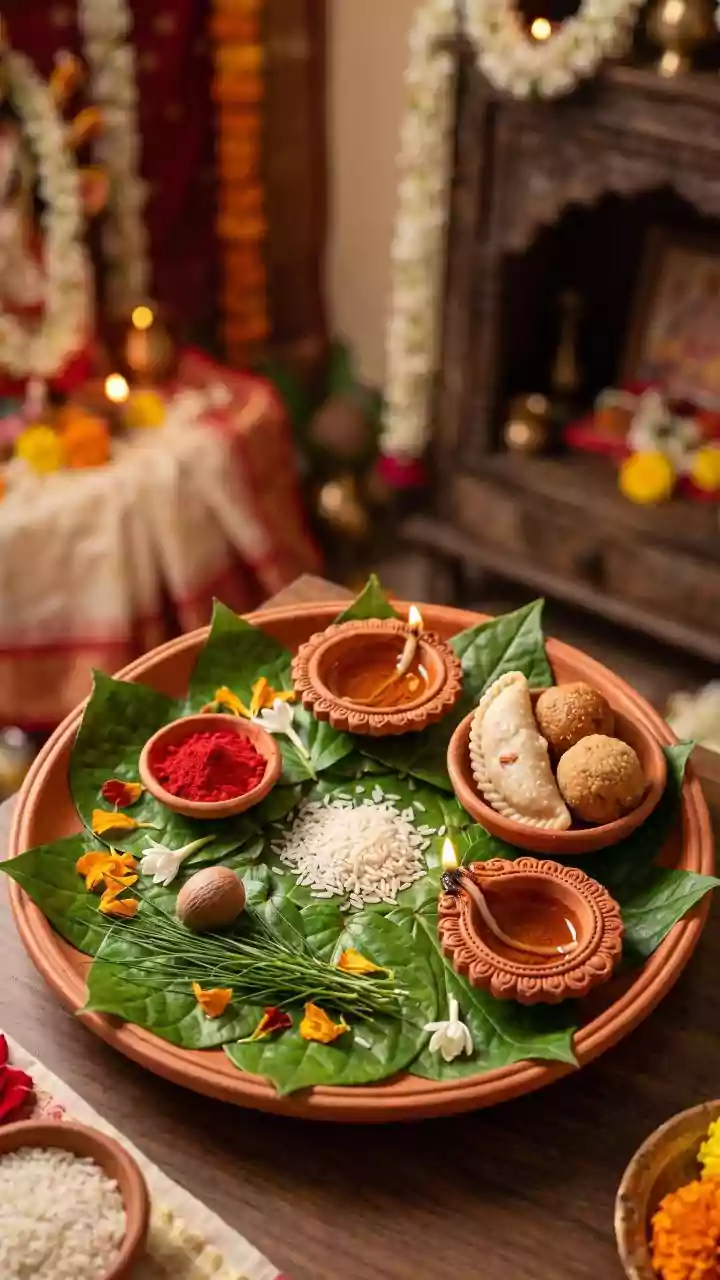
From Diwali to Eid and Christmas, Indian festivals are a culinary celebration. We indulge in sweets, fried snacks, and heavy curries—foods that are often high in fat, sugar, and complex carbohydrates. While delicious, these delicacies are harder for our
bodies to break down, slowing down digestion. This delay can lead to a buildup of gas in the gastrointestinal tract, causing that tight, swollen, and uncomfortable sensation we know as bloating. It’s a common experience where your stomach feels full and tight, often accompanied by gas and discomfort. This happens because heavy meals require more effort from your digestive system, which can become overwhelmed.
How Gentle Movement Comes to the Rescue
It might seem counterintuitive to move when you’re feeling stuffed, but light physical activity is one of the best remedies for bloating. When you engage in light cardio, you stimulate the entire body, including your digestive system. This isn't about a high-intensity workout that would divert blood to your muscles and away from your gut; rather, it's about gentle, consistent movement that aids the digestive process. Light exercise helps by encouraging 'peristalsis'—the wave-like muscle contractions that move food through your digestive tract. This process helps push food and trapped gas along, preventing the backup that causes bloating.
The Science of a Simple Walk
Walking is perhaps the most effective and accessible form of light cardio for digestion. A post-meal stroll increases blood flow to your abdominal organs, which helps them function more efficiently. Studies have shown that walking can speed up 'gastric emptying', which is the rate at which food moves from your stomach to your small intestine. By shortening the time food sits in your stomach, you reduce the chances of feeling overly full, experiencing acid reflux, or suffering from abdominal pain. The gentle jostling motion of walking also physically helps to move trapped gas bubbles through your system, providing natural relief from discomfort.
What 'Light Cardio' Really Means
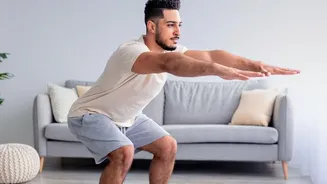
Light cardio is any low-impact activity that gets your heart rate up slightly without causing strain. The goal is mild to moderate exertion, not exhaustion. A brisk 15- to 30-minute walk is ideal. Other great options include slow cycling on a stationary bike, a gentle swim, or even some light yoga poses that involve twisting, which can help massage the abdominal organs and release gas. The key is to keep it gentle. High-intensity exercise too soon after a meal can actually worsen digestive issues by pulling blood flow away from the stomach.
Timing Is Everything
You don't need to jump up from the dinner table and head straight out the door. In fact, it's best to wait a little while. For light activity like walking, waiting around 30 minutes after a meal is generally sufficient. For a moderate-sized festive meal, giving your body 60 to 90 minutes to begin the initial digestive process before a walk can be optimal. This brief waiting period prevents potential cramps or nausea while still allowing you to reap the digestive benefits of the movement.
Bonus Benefit: Managing Blood Sugar
Beyond beating the bloat, a post-meal walk offers another significant advantage, especially after consuming festive sweets. Light exercise helps your muscles absorb glucose (sugar) from the bloodstream, preventing sharp spikes in blood sugar levels that often follow a high-carbohydrate meal. Research suggests that even a 10-minute walk after eating can significantly help in managing blood sugar control. This not only helps avoid the dreaded post-meal energy crash but also contributes to better long-term metabolic health.