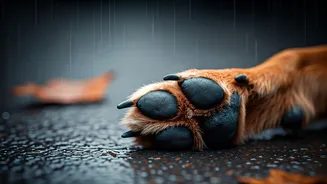

The Weekly Paw Inspection
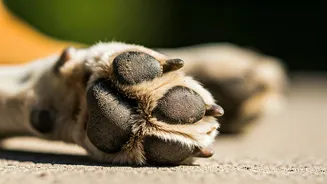
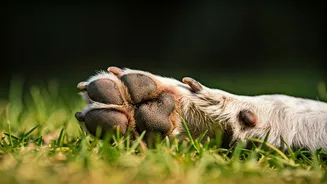
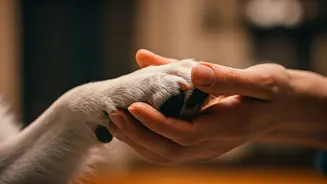
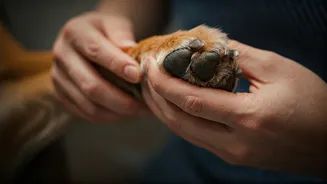
The first step in preventative paw care is making it a routine. Once a week, in a calm and relaxed setting, take a few minutes to gently handle your pet’s paws. Make it a positive experience with praise and treats. Look closely at each part of the paw:
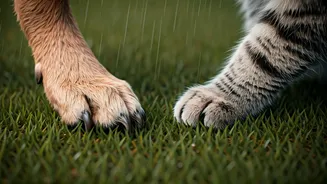
the pads, between the toes, and the nails. Check for any cuts, cracks, swelling, redness, or foreign objects like pebbles, thorns, or glass. Gently spread the toes to inspect the delicate skin in between, which is a common spot for debris and irritation. Also, take note of any unusual smells, which could indicate a yeast or bacterial infection. This simple, regular check helps you spot small issues before they become major problems.
Nail Trimming Without the Trauma
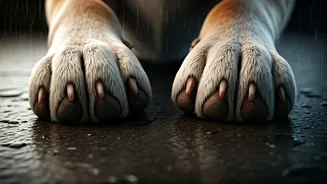
Overgrown nails are one of the most common and damaging paw-related issues. When a dog's nails are too long, they hit the ground with every step, which is uncomfortable and forces their foot into an unnatural position. This can lead to pain, altered gait, and even contribute to joint problems and arthritis over time. The goal is to keep the nails short enough that they don’t click on the floor as your pet walks. For both dogs and cats, use a sharp clipper designed for pets. If your pet has light-colored nails, you can often see the pink 'quick' (the blood supply and nerve) and should trim a few millimeters away from it. With dark nails, it's safer to trim just a tiny bit at a time. If you're nervous, a nail grinder can offer more control. Trimming regularly, about once a month, is key.
Pad Protection and Moisturizing
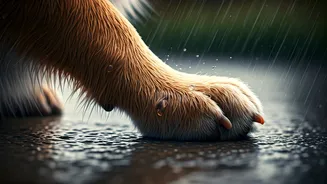
Paw pads are tough, but they are not invincible. They can become dry, cracked, and painful from contact with hot pavement, frozen surfaces, and rough terrain. Cracked pads are not just uncomfortable; they can open the door to infection. To keep pads healthy, it's important to moisturize them. However, do not use human lotions, which can be harmful if licked and may soften the pads too much. Instead, use a balm or moisturizer specifically formulated for pet paws. Ingredients like shea butter or coconut oil are often found in pet-safe products. In winter, be sure to wipe your pet’s paws after walks to remove salt and de-icing chemicals, which can cause irritation and are toxic if ingested.
Grooming Fur and Keeping Clean
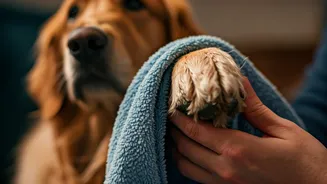
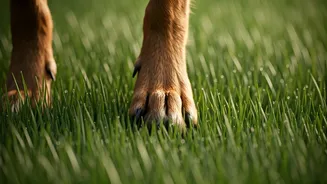
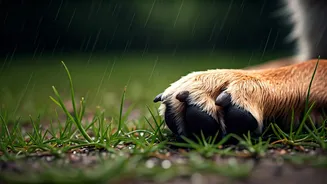
For pets with longer fur, the hair between their paw pads can become a problem. It can mat, trap moisture, and collect burrs, dirt, or ice balls, leading to discomfort and irritation. Carefully trimming this fur so it is flush with the pads can improve traction and prevent these issues. After walks, especially through mud, grass, or treated lawns, it's a good practice to wipe your pet's paws with a damp cloth. This removes potential allergens, chemicals, and irritants before your pet has a chance to lick them off and ingest them. A clean paw is less likely to develop contact dermatitis or infections.
Red Flags: When to Call the Vet
While consistent home care can prevent many problems, it's crucial to know when an issue requires professional veterinary attention. Don't hesitate to call your vet if you notice any of the following signs: persistent or severe limping, or a refusal to put weight on a paw. Bleeding that doesn’t stop with gentle pressure could indicate a deep cut. Significant swelling, a foul odor, or pus-like discharge are classic signs of infection that need to be addressed. Likewise, if you see a deeply embedded foreign object, it's best to let a professional remove it. Excessive, obsessive licking of a paw is also a red flag that points to underlying pain or irritation that needs a diagnosis.