





Why Monsoon Demands a Different Approach
The magic of the monsoon—the cool air and constant moisture—is precisely what makes it a challenge for keeping food fresh. High humidity and fluctuating temperatures create the perfect breeding ground for bacteria, mould, and other pathogens. This environment
accelerates spoilage, especially for perishable items, and increases the risk of foodborne illnesses like gastroenteritis, typhoid, and cholera. Your regular shopping habits might not be enough to combat these risks. The key is to shift from bulk buying to a more mindful, frequent approach, ensuring everything you bring into your kitchen is as fresh and safe as possible.
The 'Little and Often' Shopping Rule
During the rainy season, groceries in large quantities is a recipe for waste. Nutritionists and food safety experts advise purchasing perishable items in smaller, more frequent batches. This is especially critical for delicate foods. Leafy green vegetables, for instance, are notorious for harbouring dirt and germs in their folds, which thrive in the damp weather. Similarly, milk, paneer, and other dairy products spoil much faster now. Instead of a big weekly shop, consider planning your meals for 2-3 days at a time. This ensures you're using ingredients at their peak freshness and significantly lowers the chance of them turning bad in your refrigerator before you can get to them.
The Undeniable Advantage of WHOLE Produce
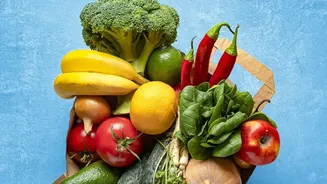
While pre-cut fruits and vegetables are convenient, the monsoon is the time to skip them. The protective outer skin of a fruit or vegetable is its natural barrier against contamination. Once that barrier is broken through peeling or chopping, the food becomes vulnerable. Pre-cut produce has a larger surface area exposed to the air, moisture, and potential pathogens during processing and packaging. Roadside vendors selling cut fruits pose an even higher risk due to exposure to flies, dust, and contaminated water. Buying your produce whole—think whole heads of cabbage, unpeeled carrots, and uncut fruits—dramatically reduces these risks. You can then wash them thoroughly at home right before consumption, ensuring maximum safety and hygiene.
Mastering Monsoon Vegetable and Fruit Care
Proper handling at home is just as important as smart shopping. Always wash fruits and vegetables thoroughly under clean, running water before you peel, cut, or cook them. Soaking them for a few minutes in a bowl of water with a bit of salt or vinegar can help dislodge stubborn dirt and germs. After washing, it's crucial to dry produce completely before storing it, as leftover moisture encourages spoilage. Store vegetables in perforated bags or containers lined with paper towels in the refrigerator to absorb excess moisture. Remember the rule of separation: keep raw vegetables and meats away from cooked foods to prevent cross-contamination, a common cause of food poisoning.
Smart Storage for Dry Goods and Spices
It's not just fresh produce that's at risk. The humidity can wreak havoc on your pantry staples. Flours, pulses, rice, and spices can absorb moisture from the air, leading to clumping and mould growth. The best defence is airtight containers. Transfer items from bags and boxes into clean, dry, airtight jars immediately after purchase. When it comes to spices, buying them whole rather than powdered helps them retain their flavour and potency for longer, as they are less susceptible to moisture. Storing these containers in a cool, dry place away from the stove's steam will keep your pantry safe and your ingredients fresh all season long.