











The One Crore Household Dream
Launched in early 2024, the PM Surya Ghar: Muft Bijli Yojana is one of the world's largest renewable energy initiatives. The vision is simple yet transformative: equip one crore (10 million) households with rooftop solar systems, providing them with up
to 300 units of free electricity per month. For a nation grappling with energy security and rising climate concerns, it’s a powerful move toward decentralised, clean power. The government is backing this vision with a substantial outlay of over ₹75,000 crore, offering direct subsidies up to ₹78,000 per household and access to low-interest, collateral-free loans. The promise is not just environmental; it’s economic. Families could save thousands of rupees annually on electricity bills and even earn income by selling surplus power back to the grid.
A Reality Mismatched with Ambition
Despite the scheme's huge appeal—over 1.2 crore households have registered on the national portal—the conversion from interest to installation is lagging. While the pace has picked up significantly compared to previous years, the goal of covering 7.5 to 10 million homes by the end of 2026 remains a steep climb. As of mid-2026, the number of actual installations is a fraction of the target. This gap between registrations and completed applications highlights a series of deep-seated challenges that go far beyond just initial interest. There's also a stark regional imbalance; a handful of western and southern states like Gujarat and Maharashtra account for a vast majority of the country's rooftop solar capacity, while eastern and northeastern states have barely begun, creating a lopsided boom.
The Gathering Clouds: Policy and Finance
Perhaps the most significant hurdle is the complicated relationship with local power distribution companies, or DISCOMs. For many of these utilities, rooftop solar represents a direct threat to their revenue model. They lose their high-paying residential customers, who are now generating their own power. This has led to institutional resistance, manifesting as long delays in granting approvals for net metering—the system that allows homeowners to sell excess power back to the grid. Consumers report waiting anywhere from 30 to 90 days for basic approvals, creating a frustrating bottleneck. Furthermore, the high upfront cost, even with subsidies, remains a major barrier for many families, and securing loans can be a slow process.
More Than Just Monsoon Woes
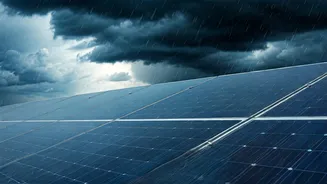
The headline's "rain checks" hint at a literal problem: the monsoon season. Increased cloud cover during the monsoon can significantly reduce solar generation, sometimes by as much as 15% or more compared to long-term averages, making the investment less attractive for some. However, the challenges are much deeper than just the weather. There is a trust deficit in the market, with a proliferation of small, unreliable installers or "fly-by-night" vendors who may use substandard components and disappear when service is needed, rendering 25-year warranties useless. A shortage of skilled technicians for installation and maintenance, particularly in rural and semi-urban areas, further complicates the rollout and affects the quality and safety of installations. In dense urban areas, physical constraints like roof availability and shadowing from adjacent buildings also pose technical challenges.
Finding a Clearer Sky
Addressing these issues requires a multi-pronged approach. The government is aware of the bottlenecks and is reportedly working on a universal online framework to streamline approvals, potentially mandating a 15-day window for DISCOMs and penalizing excessive delays. For the financial piece, simplifying access to credit and ensuring timely subsidy disbursement through the national portal are critical. Some analysts suggest that states could redirect existing electricity subsidies towards promoting rooftop solar adoption to make it more financially viable for consumers. Building a robust ecosystem of certified, high-quality installers and service providers is equally important to build consumer confidence. For the scheme to truly succeed, it needs to move beyond just being a subsidy program and become a seamlessly executed, consumer-friendly infrastructure project.