





Why Rishikesh Is the New Hotspot
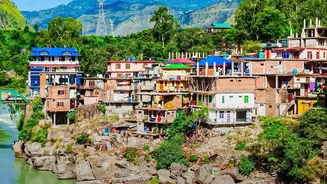
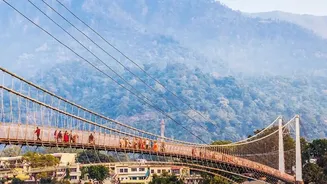
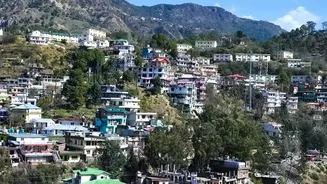
For years, Rishikesh has been a global destination for yoga practitioners and spiritual seekers. Today, this serene town on the banks of the Ganges is attracting a new kind of long-term visitor: the remote worker. The appeal is multi-layered. It combines
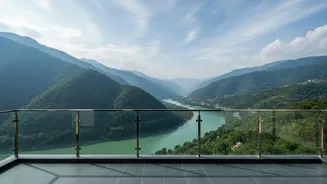
a deeply spiritual atmosphere with adventure sports like white-water rafting, stunning natural beauty, and a wellness-focused lifestyle. This unique blend offers a compelling alternative to more traditional digital nomad hubs, providing a space for both professional focus and personal growth. The transition from a purely spiritual retreat to a work-friendly destination has been gradual but steady, driven by a growing demand for a slower, more meaningful way of life that doesn't sacrifice professional commitments.
The Rise of Co-Living and Co-Working
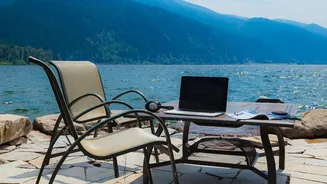
To cater to this new wave of visitors, Rishikesh has seen a surge in co-living and co-working spaces. Establishments like BunkStay and Shaanti CoLiving offer more than just a place to sleep. They provide a holistic ecosystem for the modern professional, featuring shared rooms or private options, communal kitchens, and, most importantly, dedicated workspaces. These spaces foster a sense of community, hosting events, group hikes, and workshops that allow nomads to connect. For those who prefer to work from a cafe, spots like Kohi Co-Working Cafe and The 60's Café offer a productive environment with reliable internet, allowing for a change of scenery. This infrastructure is crucial, turning a beautiful but once disconnected town into a viable base for remote work.
Unpacking the 'Cheap' Claim
One of Rishikesh's biggest draws is its affordability. Compared to other international nomad destinations like Bali or Thailand, the cost of living is significantly lower. According to crowd-sourced data, a single person can live comfortably for approximately $650 to $950 a month. More specific community discussions suggest a monthly budget of ₹25,000 to ₹40,000 can cover rent, food, and other daily expenses. Rent for a one-bedroom apartment can be as low as ₹10,000 per month. While prices are rising with its popularity, Rishikesh remains one of the more budget-friendly options for remote workers seeking a long-term stay, offering exceptional value for money.
The High-Speed Wi-Fi Reality
For any digital nomad, the number one concern is internet connectivity. While the Himalayan foothills might seem like a connectivity dead zone, the reality in Rishikesh is surprisingly positive. The arrival of fiber optic internet from providers like Jio and Airtel has been a game-changer, with some co-working spaces boasting speeds up to 1Gbps with full power backup. While public Wi-Fi in cafes can be inconsistent during peak hours or monsoon season, the infrastructure is robust enough for most professional needs, including video calls. Many seasoned nomads adopt a dual-carrier approach, using both Jio and Airtel SIM cards as hotspots to ensure a stable connection, making dropped calls and missed deadlines a rarity.
Life Beyond the Laptop
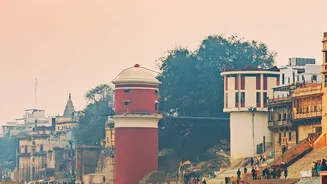
The true magic of Rishikesh is what happens after the laptop closes. The town's identity is deeply intertwined with wellness. Digital nomads can easily integrate daily yoga and meditation into their routines, with countless ashrams and studios offering drop-in classes for just a few dollars. Evenings are often spent attending the Ganga Aarti, a mesmerizing riverside fire ceremony, or exploring the town's vibrant cafe scene. The proximity to nature means weekends can be filled with trekking, camping, and rafting. This seamless blend of work, wellness, and adventure is what sets Rishikesh apart, offering a lifestyle that prioritizes mental clarity and work-life balance in a way few other places can.