



Choose Your Green Companions
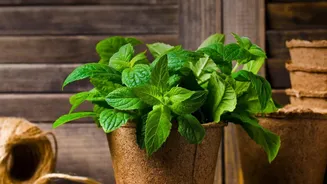
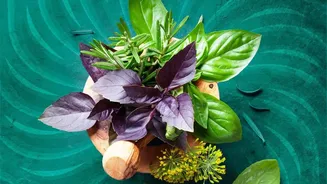
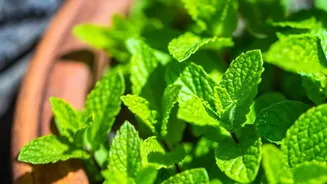
The first step is picking herbs that thrive in pots and suit the Indian climate. For beginners, it's best to start with hardy and forgiving plants. Mint (Pudina) is incredibly easy to grow and spreads quickly, so it's best to give it its own pot. Holy
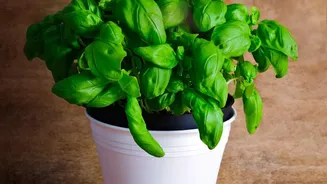
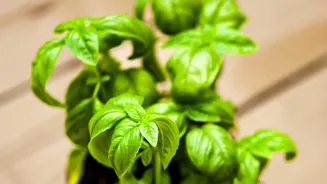
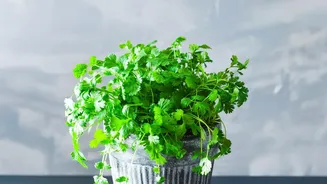
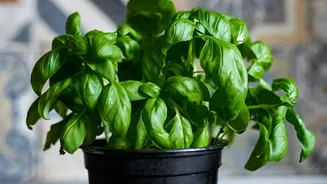
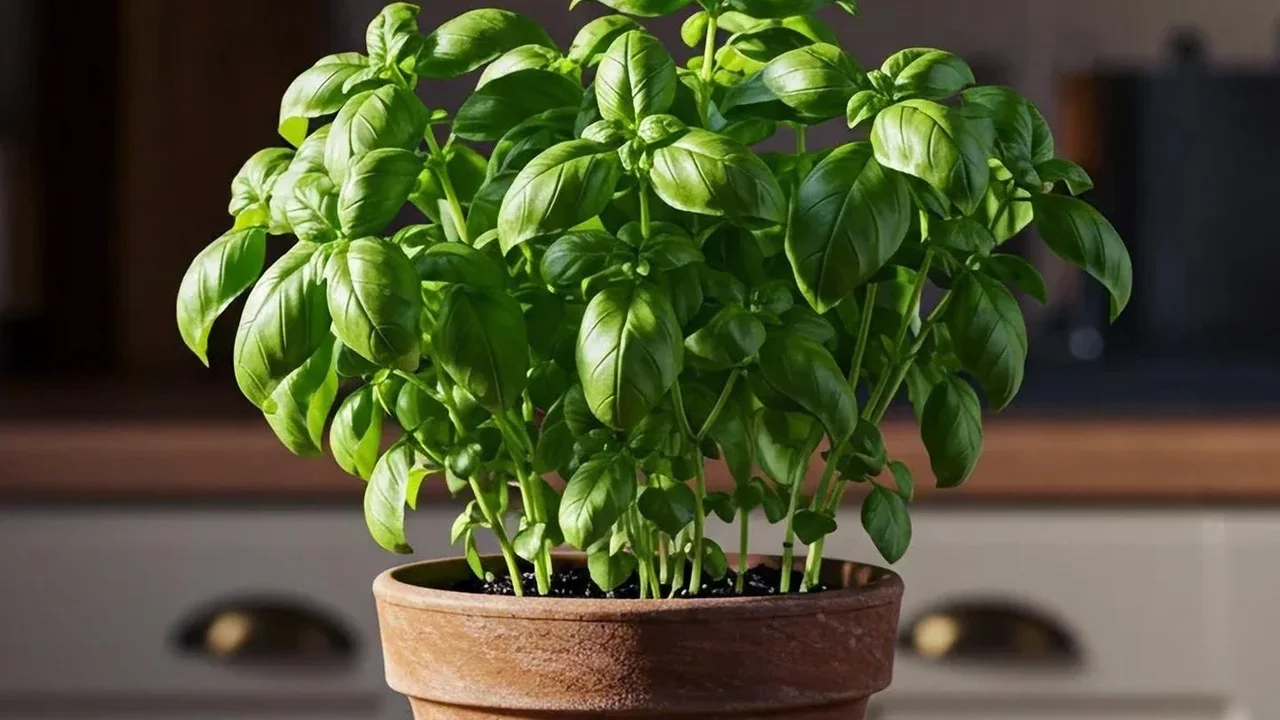
Basil (Tulsi) and Italian Basil are also excellent choices, loving the sun and adding aroma to your space. Coriander (Dhania) is a staple in Indian cooking and can be grown from seeds, though it bolts quickly in summer heat. Other great options include Chives, Rosemary, and Thyme, which are relatively low-maintenance and perfect for container life.
The Right Home: Pots and Soil
Choosing the right container is crucial. The most important feature is drainage holes at the bottom to prevent waterlogging and root rot. Terracotta pots are a great choice as they are porous and allow soil to breathe. For most herbs like basil or chives, a pot that is 6-8 inches in diameter is sufficient. Larger herbs like rosemary may eventually need a 10-12 inch pot to accommodate their root system. When it comes to soil, avoid using regular garden soil, which compacts easily in pots. Instead, use a high-quality potting mix. A great DIY blend consists of potting soil, compost for nutrients, coco coir for moisture retention, and perlite for drainage.
Finding the Sweet Spot: Sun and Water
Sunlight is food for plants. Most culinary herbs, especially Mediterranean ones like basil, rosemary, and thyme, need at least 6-8 hours of direct sunlight to flourish. A south or west-facing balcony is often ideal. If your balcony is shadier, don't despair. Herbs like mint and parsley can tolerate partial shade. Watering correctly is a balancing act. Potted plants dry out faster than those in the ground, especially on a sunny balcony. Check the soil by sticking your finger an inch deep; if it feels dry, it's time to water. Water thoroughly until it runs out of the drainage holes, but don't let the pot sit in a saucer full of water.
Planting and Basic Care
For beginners, starting with small plants (saplings) from a local nursery is easier than starting from seed. To plant, fill your pot with soil, leaving some space at the top. Gently remove the sapling from its nursery bag, loosen the roots slightly, place it in the new pot, and fill the surrounding space with more soil. Water it well after planting. To keep your herbs productive, you need to harvest them. Regular trimming encourages the plant to become bushier and produce more leaves. For basil and mint, pinch or cut the stem just above a set of leaves. This prompts the plant to send out new shoots from that point.
Harvesting for Flavour and Growth
The best part of growing herbs is harvesting them! For the best flavour, harvest your herbs in the morning after the dew has dried but before the day's heat sets in. This is when their essential oils are most concentrated. Follow a simple rule: never harvest more than one-third of the plant at a time. This ensures the plant has enough foliage left to continue growing strong. For leafy herbs like coriander and parsley, you can snip the outer stems first. For woody herbs like rosemary, you can clip sprigs as needed. Regular harvesting not only gives you fresh ingredients but also prevents the plant from flowering (bolting), which can make the leaves taste bitter.