







As winter settles in, so does the familiar feeling of tight, dry skin. For many, a standard moisturiser isn't enough to combat the seasonal shift. When your skin feels persistently uncomfortable, flaky, or irritated, it needs extra attention.
Understanding Severe Winter Dryness
Winter air
is a primary culprit for dry skin. The drop in temperature and humidity, both outdoors and indoors due to heating, strips the skin of its natural moisture. This process, known as transepidermal water loss, weakens the skin's protective barrier. For some, this results in more than just mild flakiness; it leads to a feeling of tightness, rough texture, redness, and persistent itching often called 'winter itch'. When the skin's barrier is compromised, it can't hold onto moisture effectively, creating a cycle of dryness and irritation that standard lotions may not be able to break.
Upgrade Your Moisturising Game
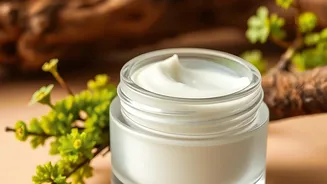
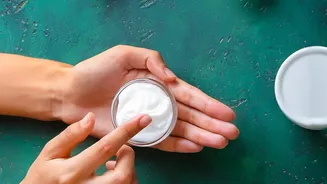
If your summer lotion is no longer cutting it, it’s time to switch to a richer, thicker cream or ointment. Look for products that come in a tub rather than a pump bottle, as they are often more concentrated. The key is to look for specific, powerhouse ingredients. Ceramides help rebuild the skin’s barrier, while hyaluronic acid is a humectant that can hold up to 1,000 times its weight in water, drawing moisture into the skin. Other beneficial ingredients include glycerin, shea butter, and urea. For maximum effect, apply your moisturiser to damp skin within three minutes of showering to lock in hydration.
Rethink Your Cleansing Routine
That long, hot shower might feel comforting on a cold day, but it’s one of the worst offenders for drying out your skin. Hot water strips away your skin’s natural oils. Opt for short, lukewarm showers instead. It’s also crucial to assess your cleanser. Harsh, foaming soaps, especially those with fragrances, can further damage a fragile skin barrier. Switch to a gentle, hydrating, and fragrance-free cleanser, such as a cream or oil-based formula. When drying off, pat your skin gently with a towel instead of rubbing, leaving it slightly damp before you moisturise.
Holistic Habits for Hydrated Skin
Topical products are essential, but a holistic approach yields the best results. A humidifier in your home, especially in the bedroom, can make a significant difference by adding much-needed moisture back into the air. Hydration from within is also crucial. While drinking more water won't single-handedly cure dry skin, staying well-hydrated supports overall skin health. Furthermore, incorporating foods rich in omega-3 fatty acids, like walnuts and fatty fish, can help improve the skin’s barrier function from the inside out.
When to See a Dermatologist
Sometimes, even the best home care routine isn't enough. It's time to consult a dermatologist if your skin's condition doesn't improve after a couple of weeks of diligent care. Red flags that require professional attention include severe or persistent itching that disrupts your sleep, skin that cracks, bleeds, or oozes, or the appearance of thick, scaly patches. These could be signs of an underlying medical condition like eczema or psoriasis, which often flare up in winter and require a specific diagnosis and prescription-strength treatment.