






That long-postponed international trip, the milestone anniversary celebration, the family reunion you’ve been dreaming of — for many, 2026 is the year 'someday' finally arrives. A new chapter in travel is unfolding across India and the globe.
The Second Coming of Revenge Travel
The term
'revenge travel' first entered our vocabulary after pandemic lockdowns lifted, describing a widespread urge to make up for lost time by booking trips. That initial, almost frantic, wave was about breaking free. Now, a different kind of revenge travel is taking hold. It’s less about escaping confinement and more about a deliberate reclaiming of life experiences. After years of uncertainty, travellers are no longer just seeking a getaway; they are fulfilling a deeper psychological need for connection, exploration, and the joy of creating new memories. This new phase is more intentional, with people prioritising meaningful journeys that were put on hold.
The Great Holiday Backlog
Alongside this renewed hunger for travel is a more practical phenomenon: the great rescheduling. Countless weddings, honeymoons, milestone birthdays, and family vacations were postponed between 2020 and 2024. Now, that backlog is clearing. Families and groups are finally coordinating complex schedules to make these significant life events happen. This has created a concentrated surge in demand, particularly for destinations that cater to group travel and celebrations. Airlines and hotels are witnessing a boom driven not just by spontaneous wanderlust, but by a calendar packed with deferred joy. This surge is creating a unique pressure on the travel ecosystem, as years' worth of plans are squeezed into a much shorter timeframe.
The Indian Traveller Steps Out
India is at the forefront of this global trend, with outbound tourism projected to see significant growth in 2026. Indian nationals' departures are on a steady rise, driven by a growing middle class with increased disposable income and a strong desire to see the world. But the modern Indian traveller is also more discerning than ever. Having experienced the first wave of post-pandemic travel, many are now looking beyond the typical tourist traps. The new priority is value and experience over just ticking off a checklist of sights. They are seeking longer stays in single locations, exploring lesser-known neighbourhoods, and prioritising personal and authentic experiences over crowded 'must-see' attractions.
The Reality: Higher Costs and Crowds
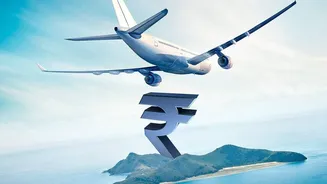
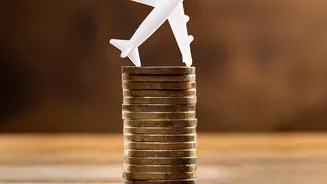
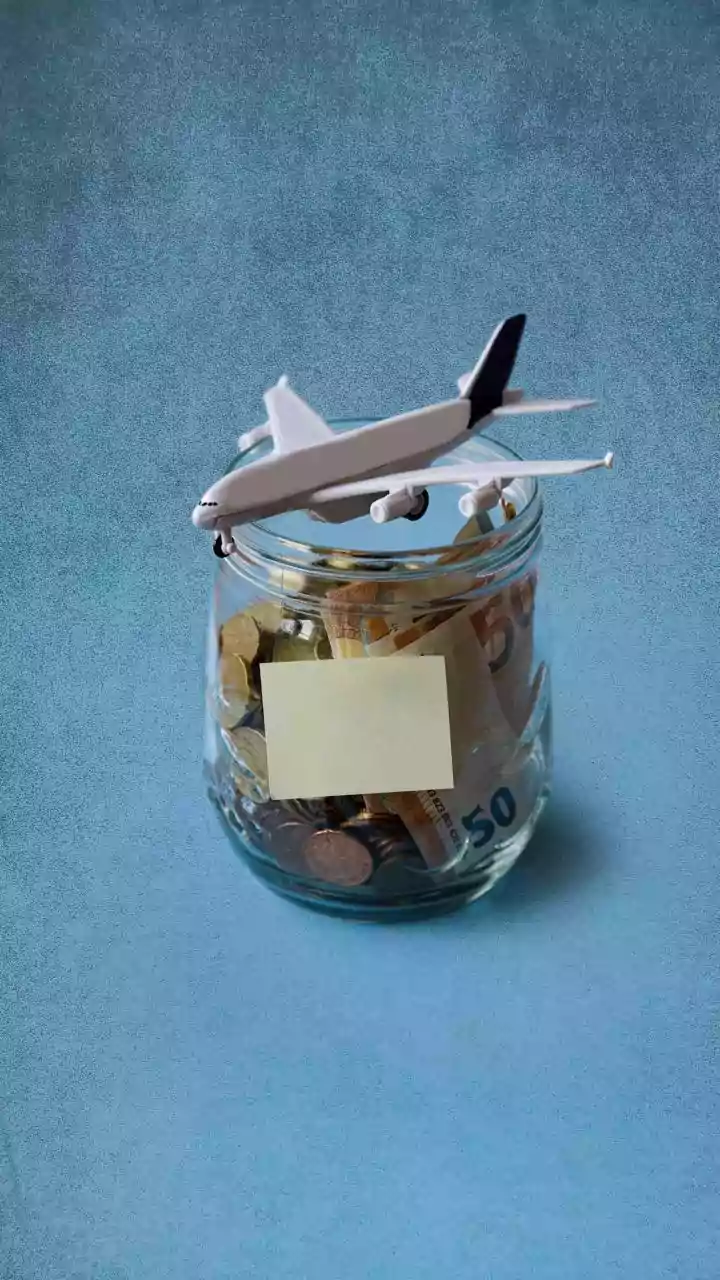
This surge in demand, however, comes with a clear downside: rising costs. The travel inflation rate has been outpacing general inflation, meaning flights, accommodation, and on-ground activities are more expensive. Holiday airfares for the end of 2026 are projected to be the highest in a decade. This is driven by high demand, elevated fuel costs, and a travel industry still dealing with post pandemic supply chain and staffing issues. As a result, many travellers are making trade offs. Some are opting for shorter, more frequent 'microcations' to manage costs, while others are exploring domestic or regional destinations instead of long haul flights. The dream holiday is still happening, but it requires a bigger budget and more careful planning.
Navigating the New Travel Landscape
So, how can you make the most of your travel plans in this new era? The key is to be strategic. First, book well in advance. With high demand, last minute deals are increasingly rare, especially for flights and popular hotels. Second, be flexible with your dates and destinations. Travelling during the shoulder seasons—the months just before and after the peak period—can offer better prices and fewer crowds. Third, look for value beyond the price tag. This could mean choosing an all inclusive resort to manage costs or booking a vacation rental to get more space for a family trip. Finally, lean on technology. Travel apps can help you track flight prices and find deals, while AI platforms are becoming a popular tool for researching and planning itineraries.