


In India, rice is more than a staple; it's the canvas for a thousand flavours. But how does this humble grain transform so dramatically from one region to the next? The answer lies in local traditions, unique ingredients, and distinct cooking methods.
It Starts with the Grain
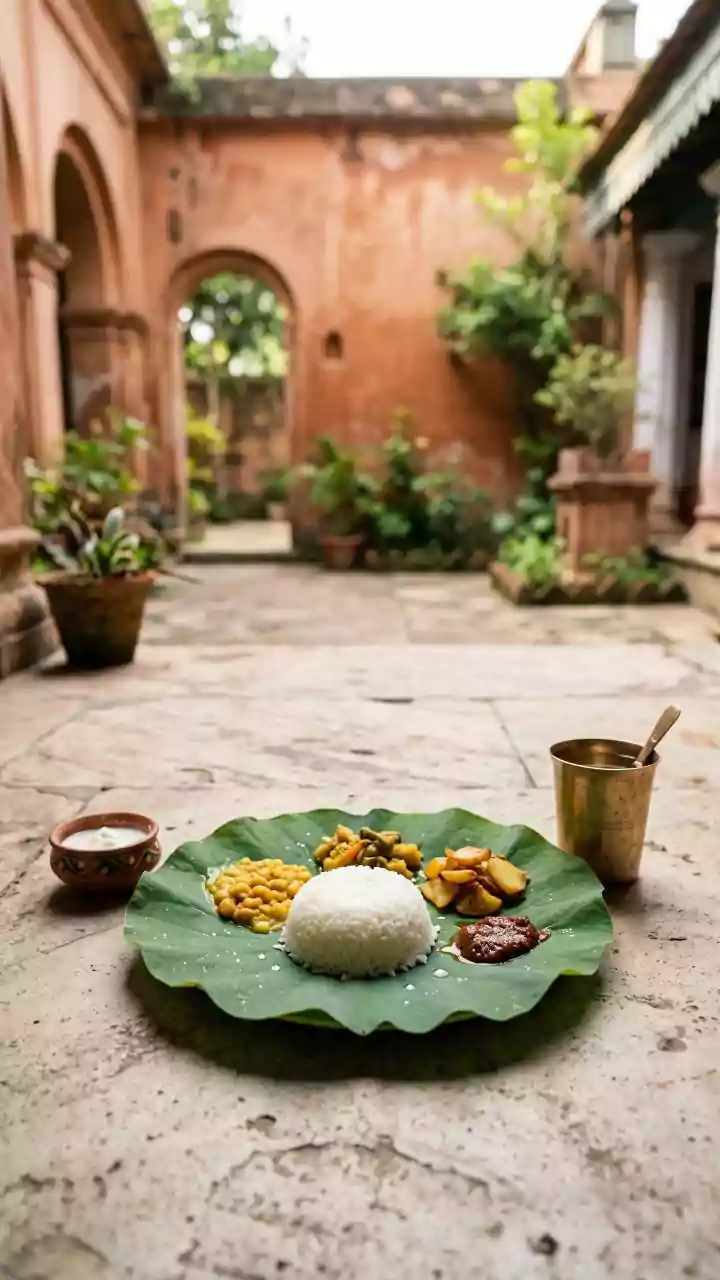
The foundation of any rice dish is the grain itself, and India boasts an incredible diversity beyond just standard long-grain or short-grain varieties. In West Bengal, the short-grained Gobindobhog rice is prized for its buttery flavour and natural aroma, making it perfect for festive dishes like Mishti Pulao. In Kerala, the plump, red-streaked Matta rice provides an earthy, robust flavour that stands up to rich curries. The famous long-grain Basmati, grown in the Himalayan foothills, is loved for its nutty aroma and fluffy, separate grains, making it the top choice for Biryani and Pulao. Even lesser-known varieties like the short, cumin-like Jeerakasala from Kerala or the mango-scented Ambemohar from Maharashtra contribute their own specific character to a dish before a single spice is even added.
Southern Tang and Tempering
South Indian rice dishes are masters of tangy, spicy, and savoury flavours. A prime example is Karnataka's Puliyogare, or tamarind rice. It’s far more complex than just mixing rice and tamarind. A special spice powder (pudi) is made by dry-roasting lentils, sesame seeds, coriander, and chillies. This is then cooked into a thick paste ('gojju') with tamarind and jaggery, creating a perfect balance of sour, sweet, and spicy notes. The final flourish is a 'tadka' or tempering of hot oil with mustard seeds, curry leaves, and peanuts for crunch. This layering of freshly ground spices, a slow-cooked paste, and a final tempering is what gives the dish its deep, unforgettable flavour.
Eastern Subtlety and Sweetness
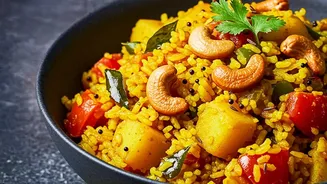
Moving east to Bengal, the flavour profile shifts towards a delicate balance of sweet and savoury. The region's celebrated Mishti Pulao is a perfect illustration. It's typically made with fragrant Gobindobhog rice, which is first sautéed in ghee with whole spices like cinnamon, cardamom, and bay leaves. This initial step infuses the grains with a warm, aromatic scent. Raisins and cashews add texture and richness, but the defining characteristic is the addition of sugar, which lends a subtle sweetness that doesn't overpower the dish. It’s often tinged yellow with turmeric, earning it the name Basanti Pulao, and perfectly complements spicier meat and vegetable curries.
Western Heartiness and Aromatic Blends
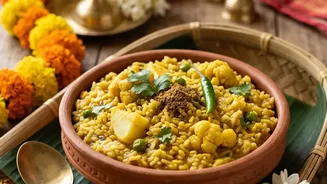
In Maharashtra, Masale Bhaat is a hearty one pot meal that showcases a completely different flavour profile, thanks to a unique spice blend called Goda Masala. This masala is a complex, aromatic mix containing spices like star anise, cinnamon, and stone flower, giving it a distinct, slightly sweet and pungent aroma. The rice, often a local short grain variety like Ambemohar, is cooked with vegetables like brinjals, ivy gourd (tendli), and peas. The process involves tempering whole spices, sautéing vegetables, and then cooking the rice with the Goda Masala, allowing the grains to absorb the rich, layered flavours of the spice blend and vegetables.
Northern Richness and Layered Aromas
In the North , rice dishes often reflect a legacy of royal kitchens , with Biryani being the prime example . Hyderabadi Biryani , in particular , is famous for its intricate flavour layering . Here , the technique is as important as the ingredients . The 'dum pukht' method , or slow cooking in a sealed pot , is crucial . Raw , marinated meat is layered with partially cooked Basmati rice , and the pot is sealed , allowing the meat to cook in its own juices and steam from the rice . This process ensures the meat is tender and the rice absorbs all the aromas from the marinade , whole spices , saffron , and fried onions , creating a dish where every single grain is fragrant and flavourful .