



What Exactly Is Lippan Kam?
Lippan Kam, also known as mud-and-mirror work, is a traditional mural art form that originates from the Kutch region of Gujarat. For centuries, it has been practiced by women from communities like the Rabari and Mutwa to decorate the interior and exterior
walls of their circular mud huts, called 'bhungas'. The word 'Lippan' itself means 'to apply'. The process traditionally involves creating a dough-like mixture of clay and camel dung, applying it to a surface in intricate relief patterns, and embedding small mirrors, or 'aabhla', into the wet clay. These designs weren't just for beauty; the mud mixture helped insulate homes against the harsh desert climate, and the mirrors reflected lamplight, illuminating the dark interiors.
From Village Walls to City Apartments
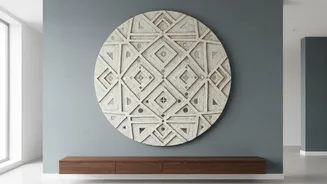
What was once an architectural feature of rural homes has now become a sought-after decorative element in contemporary urban spaces. Interior designers and homeowners are increasingly using Lippan panels to add a touch of ethnic elegance and handcrafted charm to apartments, cafes, and offices. The art form’s geometric and nature-inspired motifs—like peacocks, camels, and flowers—resonate with a modern desire for authenticity and connection to heritage. The sparkling mirrors embedded in the designs have a functional beauty, making spaces appear brighter and larger, a welcome bonus in compact city homes. This shift has been significantly fueled by social media, where the visual appeal of Lippan art has made it a star on platforms like Instagram and Pinterest.
A Modern Makeover for a Timeless Craft
For Lippan Kam to travel from a dusty village wall to a high-rise apartment, the craft had to adapt. Traditional materials like camel dung and clay, while authentic, are not practical for modern homes. Artisans and contemporary brands have innovated by swapping mud walls for more portable bases like MDF board, plywood, or canvas. The traditional dung and clay mixture is often replaced with more durable and odour-free alternatives like chalk powder, sawdust, glues, and hardening clays. This evolution makes the art more resilient, lightweight, and easy to ship and install, turning a regional mural craft into a globally accessible decor product.
The Allure of Authenticity
So, why the sudden surge in popularity? The trend goes deeper than just aesthetics. For many, owning a piece of Lippan art is about reconnecting with Indian roots in an increasingly globalised world. It fits perfectly within popular interior styles like bohemian and minimalist, which celebrate natural textures and handcrafted items. In a post-pandemic world where the home has become a central part of life, there is a growing desire to create spaces that are personal and meaningful. A Lippan panel isn't just a wall hanging; it's a piece of cultural history and a story of artisanal skill passed down through generations. This rising demand also provides a vital economic lifeline to the artisan communities in Kutch, helping to preserve the craft.
How to Style Lippan Art at Home
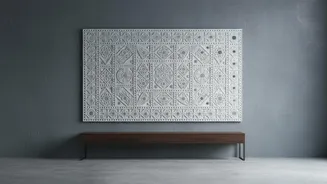
Incorporating this art form into your home is surprisingly versatile. A large, circular Lippan panel can serve as a stunning focal point in a living room, perhaps above a sofa or console table. A series of smaller panels can create an eye-catching gallery wall in a hallway. In the bedroom, a subtle, monochromatic white Lippan piece can add texture and tranquility without overwhelming the space. You can even find the art adapted into smaller decor items like coasters, nameplates, and jewellery boxes. When buying a piece, look for the intricacy of the clay work and the clarity of the mirrors to ensure you are getting a well-crafted item that will bring a touch of Kutch's magic into your home.