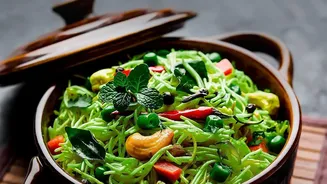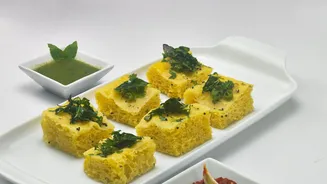






The Ultimate Comfort: Masala Khichdi
There is perhaps no dish more synonymous with comfort in India than Khichdi. This humble mix of rice and lentils transforms into a soul-soothing meal that feels like a warm hug in a bowl. While basic khichdi is nourishing, a Masala Khichdi is what the
heart truly wants on a rainy day. The process is simple: start by tempering spices like cumin seeds, cloves, and cinnamon in a pressure cooker with ghee or oil. Sauté onions, ginger, and garlic before adding tomatoes and a medley of vegetables like peas, carrots, and potatoes. Stir in turmeric and red chilli powder, then add the washed rice and dal mixture with water. A few whistles later, you have a fragrant, mushy, and perfectly spiced meal. Serve it with a dollop of ghee, a side of yogurt, and some crisp papad for a truly satisfying dinner.
Fragrant & Flavourful: Vegetable Tahri
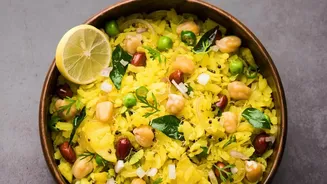
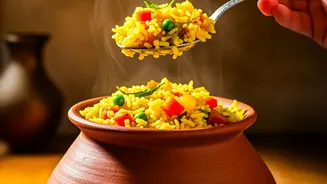
Hailing from the Awadhi cuisine of Uttar Pradesh, Tahri (or Tehri) is a fragrant one-pot rice dish that sits beautifully between a simple pulao and a complex biryani. Its signature yellow hue comes from turmeric, and it’s packed with vegetables, making it a complete meal in itself. To prepare it, heat oil or ghee in a pot and sizzle whole spices like bay leaves, cardamom, and cinnamon. Sauté onions until translucent, then add ginger-garlic paste and powdered spices. Add chopped vegetables like potatoes, cauliflower, and beans, and toast them for a few minutes before adding the soaked rice. Pour in water, bring to a boil, and then simmer until the rice is cooked and has absorbed all the aromatic flavours. It’s a simple, heartwarming dish that fills the kitchen with an irresistible aroma, perfect for lifting spirits on a gloomy day.
Hearty & Wholesome: Gujarati Dal Dhokli
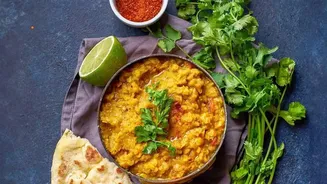
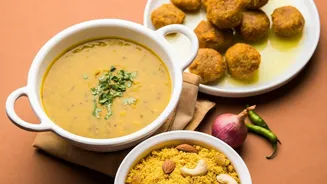
For a meal that is both hearty and unique, look no further than Dal Dhokli. This traditional Gujarati dish is a delightful one-pot wonder where spiced whole wheat flour dumplings are simmered in a tangy and sweet lentil stew. The dal is prepared first, typically a tuvar (pigeon pea) dal with a sweet and sour flavour profile from jaggery and tamarind. While the dal simmers, you prepare a simple dough from wheat flour (atta), turmeric, chili powder, and carom seeds. This dough is rolled thin and cut into diamond shapes (the dhokli), which are then dropped into the boiling dal to cook. The result is a thick, stew-like consistency with soft, noodle-like dumplings, making for an incredibly fulfilling and comforting meal that is traditionally made to use up leftover dal but is delicious enough to make from scratch.
A Southern Classic: Bisibelebath
From Karnataka comes Bisibelebath, a rich and complexly flavoured dish whose name literally translates to 'hot lentil rice dish'. It is a masterful blend of rice, lentils, vegetables, and a special spice powder known as bisi bele bath powder. While the traditional method can involve multiple steps, a simplified one-pot version is just as delicious. The process involves cooking rice, toor dal, and mixed vegetables together in a pressure cooker until soft and mushy. A paste made from tamarind, jaggery, and the signature spice powder is then stirred in. The final touch is a tempering of ghee, mustard seeds, curry leaves, and cashews, which is poured over the top. This creates a dish that is tangy, spicy, and deeply aromatic—a true celebration of South Indian flavours in a single pot.
Street Food Made Easy: One-Pot Pav Bhaji
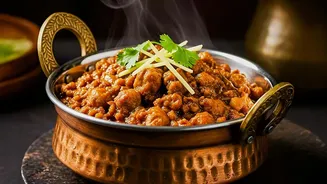
The beloved Mumbai street food can feel like a project, but a one-pot version delivers all the flavour without the fuss. This clever adaptation is perfect for a lazy monsoon evening when you crave something spicy and satisfying. In a pressure cooker, heat butter and sauté onions before adding ginger-garlic paste, tomatoes, and the all-important pav bhaji masala. Add a medley of chopped vegetables like potatoes, cauliflower, peas, carrots, and capsicum, along with water, and pressure cook until everything is completely soft. Once done, simply use a potato masher to mash the vegetables directly in the cooker to achieve that classic bhaji texture. Simmer for a few more minutes to let the flavours meld, and your bhaji is ready. Serve it with warm, buttered pav buns, a squeeze of lemon, and finely chopped onions for the authentic experience at home.