


The Creative Power of Upcycling
You’ve likely heard of recycling, where materials like plastic and glass are broken down to create new products. Upcycling is different, and in many ways, more powerful. It's the art of taking waste materials or unwanted items and creatively transforming
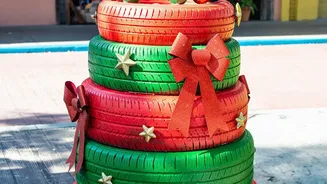
them into something of higher value and quality, without first breaking them down. Think of it as giving an object a new, more glorious life. Instead of an energy-intensive process to create raw material, upcycling uses innovation to turn a discarded saree into a vibrant cushion cover, a plastic bottle into a beautiful lantern, or old newspapers into decorative hangings. This process reduces landfill waste and conserves the energy and resources needed for new production.
The Hidden Environmental Cost of Festivals
Our most cherished festivals, unfortunately, can be hard on the environment. Mass-produced decorations, often made from non-biodegradable plastics and toxic materials, flood the markets. Items like single-use idols made of plaster of Paris, synthetic colours for rangoli, and plastic torans contribute to significant land and water pollution long after the celebrations are over. The sheer volume of waste generated, from gift wrapping to disposable decor, places an enormous strain on our already overburdened waste management systems. Celebrating with awareness means acknowledging this impact and seeking alternatives that honor both tradition and nature.
Waste to Wonder: How Upcycling Makes a Difference
This is where upcycled handicrafts shine. By choosing products made from reclaimed materials, you directly address the problem of festive waste. Each upcycled item represents something that was diverted from a landfill. Those elegant candle holders might have once been discarded glass jars, and a colourful wall hanging could be crafted from fabric scraps that would otherwise be thrown away. This choice has a ripple effect. It reduces the demand for new, raw materials, which in turn cuts down on pollution, energy consumption, and carbon emissions associated with manufacturing. Your festive decor becomes a statement of conscious consumption, proving that beauty and sustainability can go hand in hand.
Empowering Artisans and Local Economies
The impact of choosing upcycled handicrafts goes beyond the environment. The craft sector in India is the second-largest employer after agriculture, providing livelihoods for millions of artisans, many in rural areas. When you buy a handcrafted product, you are supporting a person, a family, and a community. This movement empowers artisans to blend traditional skills with contemporary, sustainable practices. It provides them with a stable income and a global platform, often reducing their dependence on middlemen. In this way, your purchase preserves India’s rich cultural heritage and ensures that ancient craft techniques are passed down to future generations, creating a sustainable loop of economic and cultural preservation.
Decorating with a Conscience
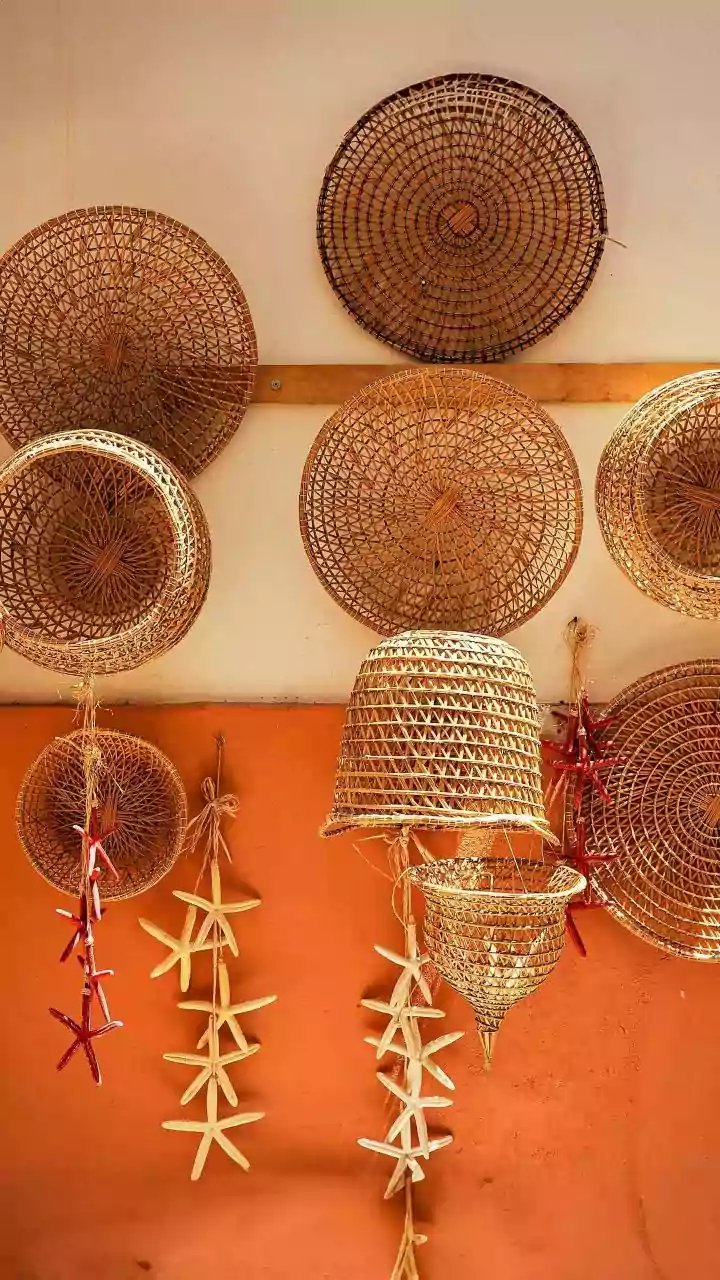
Embracing upcycled decor is easier and more beautiful than ever. Look for torans and garlands made from old textiles, beads, or even repurposed CDs. Choose diyas made from coconut shells or unglazed clay that can be reused or returned to the earth. Decorate with lanterns crafted from used paper or glass bottles. Wrap gifts in fabric using the Japanese Furoshiki technique, or use old newspapers for a rustic charm. By looking for these creative alternatives, you're not just buying a product; you're acquiring a piece with a story. You’re choosing items that fill your home with both festive cheer and a deeper sense of meaning.