


Mastering Post-Walk Hygiene
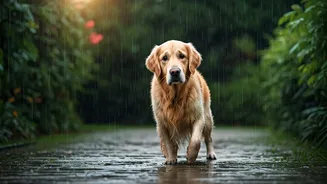
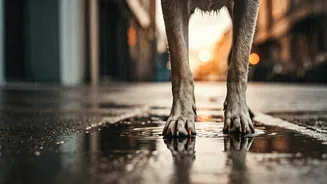
The most critical discipline for monsoon pet care starts the moment you return from a walk. City streets and parks become reservoirs of bacteria, fungi, and parasites. The simple act of your pet walking through a puddle can lead to serious issues. A strict
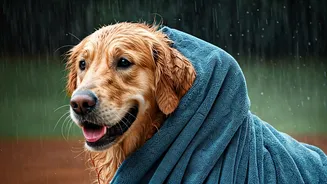
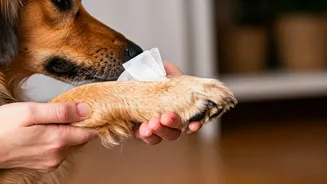
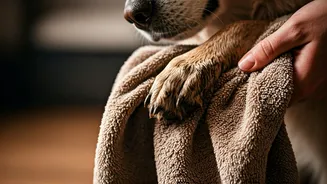
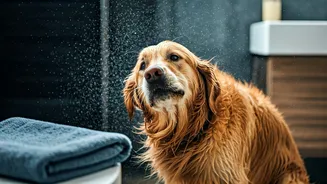
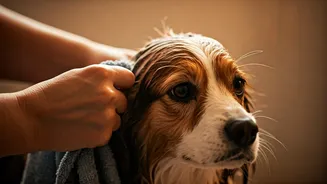
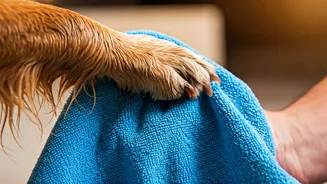
post-walk routine is non-negotiable. Paws, underbelly, and any other damp areas must be cleaned and, most importantly, thoroughly dried. Trapped moisture is the primary cause of nasty fungal and bacterial skin infections, which thrive in humid conditions. Keep a dedicated 'clean-up kit' by the door with a highly absorbent towel, some pet-friendly wipes, and perhaps a paw cleaner. Pay special attention to the areas between the toes and in skin folds, as these are prime spots for infections like pododermatitis to take hold.
The War on Ticks and Fleas
Monsoon is the peak breeding season for parasites like ticks and fleas. The warm, humid weather creates an ideal environment for them to multiply rapidly in grassy patches, parks, and even within the home. These are not just a nuisance; they are carriers for dangerous diseases like tick fever, which can be devastating for dogs. A disciplined approach means being vigilant with preventative measures. This includes regular grooming and coat checks, especially around the ears, neck, and paws. It is essential to continue with your vet-recommended tick and flea prevention program, whether it involves spot-on treatments, chewable tablets, or medicated collars. Regularly washing your pet's bedding in hot water and vacuuming carpets can also help eliminate these pests from your home environment.
Rethinking Diet and Hydration
With shorter walks and less physical activity, your pet’s caloric needs may decrease. Continuing the same feeding portions can lead to unhealthy weight gain. A disciplined diet involves adjusting meal sizes to match their reduced activity levels. Moreover, the risk of gastrointestinal issues rises sharply during the monsoon. Contaminated water is a major culprit, so providing only filtered or boiled water is crucial. Never let your pet drink from puddles, which can be contaminated with leptospirosis, a severe bacterial infection. Ensure their food bowls are cleaned daily to prevent bacterial growth, and consider immunity-boosting foods or supplements after consulting your veterinarian. For some pets, wet food can be a good way to ensure they stay hydrated if they are reluctant to drink water in the humid weather.
Indoor Engagement and Mental Health
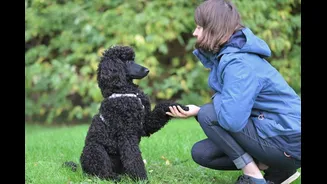
Rainy days often mean a bored and restless pet cooped up indoors. This pent-up energy can lead to anxiety and destructive behaviours. A disciplined care routine must include a plan for indoor enrichment. This doesn’t have to be complicated. Short, fun training sessions to practice old commands or learn new tricks can be very stimulating. Puzzle toys, snuffle mats, and treat-dispensing games are excellent for engaging their minds and satisfying their natural foraging instincts. Even a simple game of hide-and-seek or indoor fetch with a soft toy can help burn off excess energy. For pets anxious about thunder, creating a safe, cozy den and playing calming music can provide comfort.
Vigilance and Vet Visits
During the monsoon, you need to be extra observant of your pet's health. The humidity can aggravate existing conditions and give rise to new ones. Common issues include ear infections, especially in floppy-eared breeds, respiratory infections from the damp and cold, and various skin allergies. Knowing the red flags is part of responsible pet ownership. Be alert for excessive scratching, redness on the skin, lethargy, loss of appetite, coughing, or an upset stomach. Ensure your pet’s vaccinations, particularly for diseases like leptospirosis, are up-to-date before the season begins. While these tips can prevent many problems, they don't replace professional medical advice. Any persistent or severe symptoms warrant an immediate visit to the veterinarian.