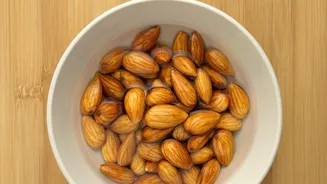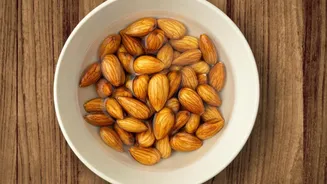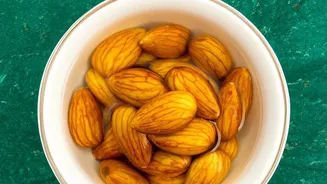



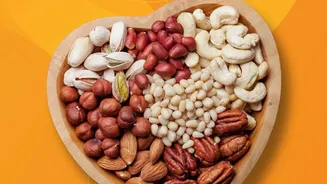

That age-old kitchen wisdom of soaking beans, grains, and nuts before cooking is more than just a tradition. It’s a simple trick that sparks a fascinating biochemical reaction, effectively unlocking the full nutritional potential of these foods.
The 'Anti-Nutrient' Hiding in Plain Sight
To understand
why soaking works, we first need to meet the main character: phytic acid. Found in the outer layer or bran of seeds, grains, nuts, and legumes, phytic acid acts as a plant's natural defense mechanism and phosphorus storage system. While essential for the seed's survival, it poses a challenge for our digestion. Phytic acid binds to minerals like iron, zinc, magnesium, and calcium in our intestinal tract, forming compounds that our bodies cannot easily break down. This means that even if a food is technically rich in these minerals, the phytic acid can prevent them from being absorbed, flushing them out of your system instead. Because it interferes with nutrient absorption, it's often referred to as an 'anti-nutrient'.
Waking Up the Seed with Water
When you soak a seed, you're essentially mimicking nature. The moisture signals that it's time to germinate and grow into a plant. This simple act of submerging them in water kick-starts a series of internal processes designed to dismantle the seed's own defenses. The goal is to prepare the seed for growth by making its stored energy and nutrients accessible. Traditional cultures have practiced this for centuries, instinctively knowing it improved digestibility and nutrition, even without understanding the precise science. The water acts as a key, turning the ignition on a dormant biological engine.
Activating a Cascade of Helpful Enzymes
The germination process triggered by soaking activates crucial enzymes within the seed itself. One of the most important is phytase, an enzyme whose specific job is to break down phytic acid. As phytase gets to work, it neutralizes the phytic acid, releasing its hold on the minerals it was bound to. Simultaneously, soaking also neutralizes other compounds called 'enzyme inhibitors'. These inhibitors, as their name suggests, can interfere with your own digestive enzymes, making it harder to break down proteins and starches. By deactivating these inhibitors, soaking essentially pre-digests the seed, making it much easier for your body to handle.
Unlocking a Nutritional Treasure Trove
With phytic acid neutralized and digestive enzymes free to do their work, the nutrients within the seed become 'bioavailable' — meaning your body can actually absorb and use them. The difference can be significant. Soaking makes important minerals like zinc, iron, calcium, and magnesium more accessible. It also helps increase the availability of B vitamins and makes proteins easier to absorb by breaking them down into more readily available components. What was once a locked nutritional vault is now open, allowing you to get the maximum benefit from the foods you eat.
A Practical Guide to Soaking
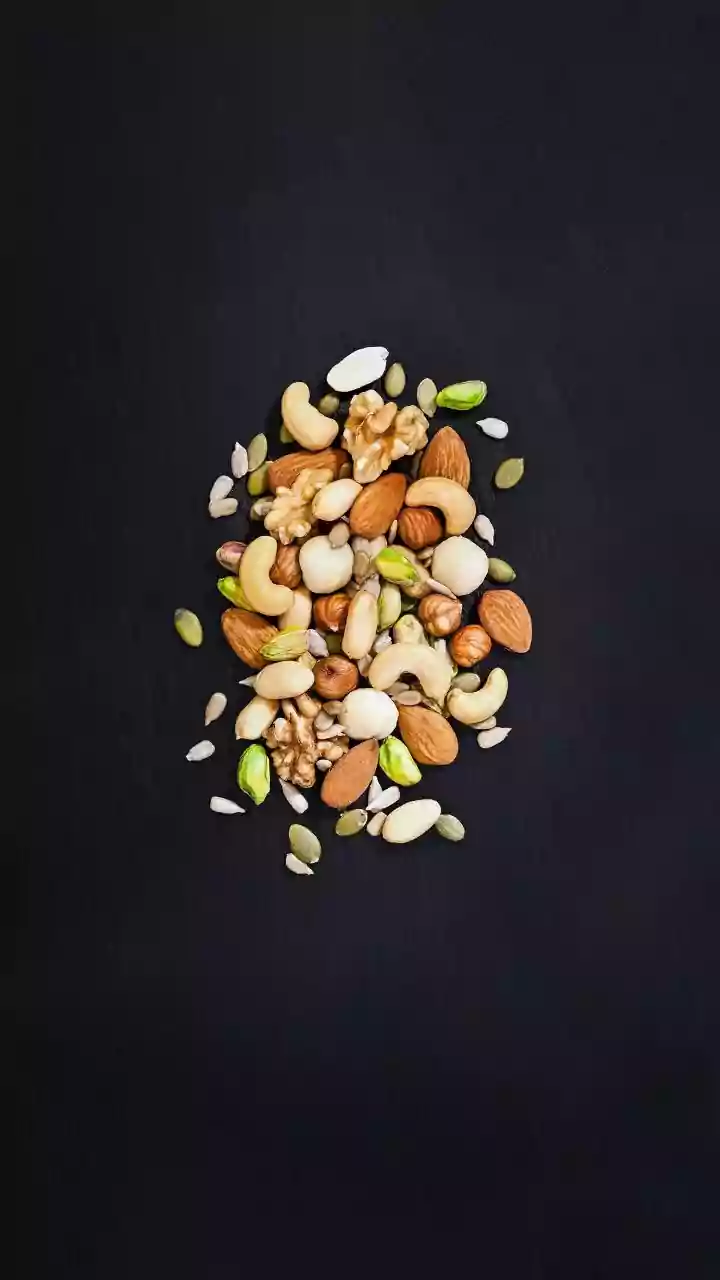
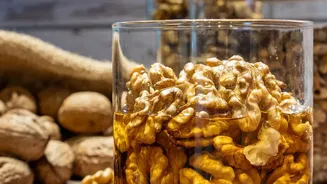
Getting started is simple. For most nuts, seeds, and grains, place them in a bowl, cover with warm water, and let them sit at room temperature. Soaking times vary: almonds and chickpeas may need 8–12 hours, while lentils and smaller seeds might only need a few. For grains and legumes, adding an acidic medium like a splash of lemon juice or apple cider vinegar can help accelerate the breakdown of phytic acid. For nuts and seeds, a pinch of salt in the water helps activate the enzymes that tackle enzyme inhibitors. After soaking, it's crucial to rinse the food thoroughly to wash away the phytic acid and other anti-nutrients that have leached into the water.