



Understanding Geometric Batik
Batik is an ancient art form, recognized by UNESCO as a masterpiece of Intangible Cultural Heritage of Humanity, involving a meticulous wax-resist dyeing technique to create intricate designs on fabric. While many associate batik with floral or free-flowing
motifs, geometric patterns are among the oldest and most powerful. These designs, featuring shapes like circles, lines, and interlocking forms, are not merely decorative. Historically, they symbolized concepts like balance, order, wisdom, and strength. Patterns like the Javanese 'Kawung', with its intersecting circles, represent the cycle of human life and purity, while the 'Parang' motif's diagonal lines symbolize resilience. Today, these clean, structured designs are being reimagined, offering a perfect blend of tradition and modernity that resonates in contemporary interiors.
Start with Statement Textiles
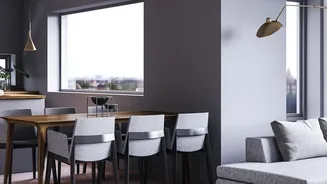
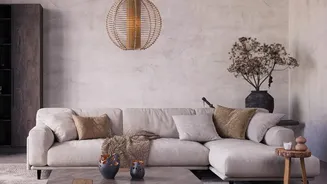
The easiest way to introduce geometric batik into a room is through textiles. The high thread count and rich texture of batik fabric lend an air of luxury to any space. Think of cushion covers, throw blankets, or a striking table runner. In a minimalist living room with a neutral sofa, a pair of pillows featuring a bold geometric batik pattern can provide an immediate focal point and a pop of sophisticated colour. For the dining area, a batik table runner can transform your setting, adding a layer of artistry and a great conversation starter for guests. Because the patterns are so bold, you can start small. A single, well-placed textile is often enough to create a significant impact without overwhelming the existing decor.
Create a Focal Point with Wall Art
To make a more definitive statement, consider using geometric batik as wall art. Framing a beautiful piece of batik fabric is a simple yet effective way to celebrate its craftsmanship and introduce a unique artistic element to your home. You can choose a large piece to hang over a sofa or a bed, turning a plain wall into a vibrant canvas. Alternatively, create a gallery wall by framing several smaller pieces of batik with different but complementary geometric patterns. This approach allows you to showcase a variety of designs and colours while maintaining a cohesive look. Don't be afraid of the fabric's imperfections; unlike machine prints, these slight variations are proof of the human touch and add to the piece's authenticity and charm.
Incorporate Accent Furniture and Decor
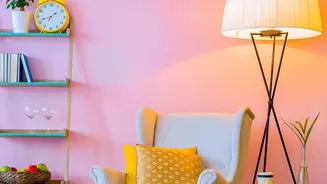
For a deeper integration, consider using batik on accent furniture. An armchair, ottoman, or headboard upholstered in a geometric batik fabric can become a standout piece that bridges the gap between traditional art and modern design. This method requires more commitment but delivers a truly custom and high-impact look. On a smaller scale, look for decorative accessories. Items like lampshades, decorative boxes, or even trays adorned with batik patterns can add subtle yet meaningful artistic touches throughout a room. These smaller pieces allow you to sprinkle the pattern's character around your space, creating a layered and well-curated feel.
Pairing Palettes and Patterns
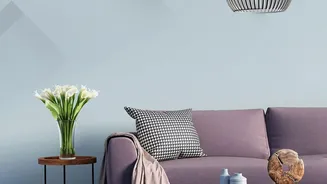
One of the keys to successfully using geometric batik is to balance it with your existing decor. If you choose a textile with a bold, multi-coloured pattern, pair it with more subdued, solid colours in the rest of the room to let the batik shine. For instance, a vibrant batik wall hanging works beautifully against a neutral wall. Conversely, a batik piece with a more muted, monochromatic palette can be paired with other textures like linen, wool, or wood to create a rich, layered look. Avoid mixing several bold patterns unless they share a common colour or scale, which can help prevent the space from feeling cluttered. The goal is to create harmony, allowing the intricate beauty of the batik to command attention without causing visual chaos.