







Why Your Kitchen Needs a Monsoon Makeover
The arrival of the monsoon transforms the environment, and your kitchen is no exception. The spike in humidity creates ideal breeding grounds for bacteria, mould, and other microbes. Food spoils faster, insects become more prevalent, and the risk of waterborne
diseases increases significantly. This is why a standard cleaning routine may not be enough. During the rainy season, kitchen hygiene moves beyond simple tidiness; it becomes a crucial aspect of family health. The dampness that makes pakoras so appealing also makes countertops, cutting boards, and even spice jars potential hotspots for contamination. Thinking about your kitchen as a controlled, clean environment is the first step in enjoying the season's food without the worry of foodborne illnesses like gastroenteritis, typhoid, or cholera, which see a spike during this time.
Mastering Your Market Haul
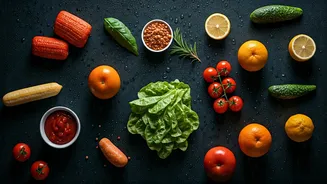
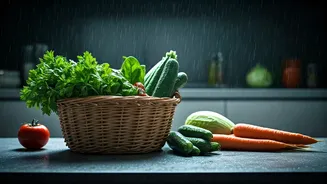
Your food safety plan begins at the market. While fresh produce is abundant, it requires more careful handling during the monsoon. Leafy green vegetables, for example, can carry a lot of dirt and germs from muddy fields. It's advisable to wash them thoroughly in clean water, perhaps with a soak in a saltwater or vinegar solution, and to cook them well rather than consuming them raw in salads. Opt for vegetables with thick skins that are less likely to be contaminated. When buying any produce, check for signs of mould, bruising, or excessive softness. Avoid pre-cut fruits and vegetables, as they offer more surface area for bacterial growth and may have been exposed to contaminated water. When it comes to meat and seafood, purchase only from reputable vendors and ensure it is cooked to a safe internal temperature to kill any harmful bacteria that thrive in the humid climate.
The Dry Storage Doctrine
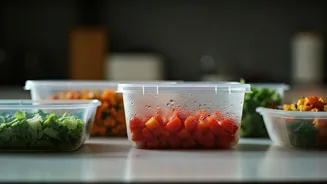
Humidity is the enemy of your pantry. Biscuits lose their snap, sugar clumps together, and expensive spices can turn into a solid, mouldy block. To combat this, an airtight storage strategy is non-negotiable. Transfer items like grains, pulses, flours, spices, and snacks from their original packaging into clean, dry, airtight containers. Glass jars are an excellent choice as they don't retain odours and allow you to see the contents easily. For items prone to infestation, like rice and flour, you can add a bay leaf to the container as a natural deterrent. Check your stored goods regularly for any signs of spoilage or pests. It's also wise to buy in smaller quantities during these months to ensure what you have is always fresh and to reduce the chance of waste due to spoilage.
Rethinking Cooking and Hydration
During the monsoon, it's safer to lean towards freshly prepared, hot meals. The high humidity means that food left at room temperature, even for a short while, can become a petri dish for bacteria. Avoid eating leftovers that have been sitting out and be cautious with reheating food multiple times. Steaming, boiling, and pressure cooking are excellent cooking methods for this season. One of the most critical aspects of monsoon health is safe drinking water. Waterborne diseases are rampant, so ensure all water used for drinking and cooking is either boiled for at least one minute or passed through a reliable water purifier. Be wary of ice from unknown sources and avoid street-side juices or drinks that may use contaminated water. Even chutneys and sauces left out in the open can pose a risk.
The Unseen Essentials: Surfaces and Tools
The cleanliness of your kitchen tools and surfaces is just as important as the food itself. Use separate cutting boards for raw meat and vegetables to prevent cross-contamination. Wash and dry them thoroughly after each use. Pay special attention to the kitchen sink, a prime area for germ growth, and clean it regularly with a disinfectant. Wipe down countertops frequently, ensuring they are completely dry, as lingering moisture can encourage mould growth. Run your exhaust fan while cooking to reduce steam and humidity. Don't forget to frequently wash and dry kitchen towels, as damp cloth can become a breeding ground for bacteria. Adopting these rigorous hygiene practices will transform your kitchen into a safe haven, allowing you to savour the unique culinary pleasures of the monsoon season with peace of mind.