



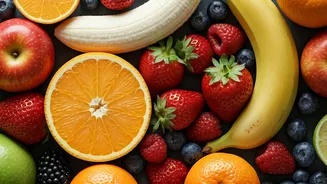




1. Pair Iron-Rich Foods With Vitamin C
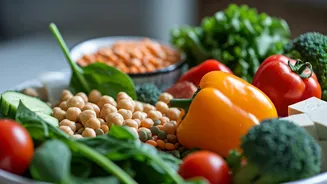
One of the most common concerns in a vegetarian diet is getting enough iron. Plant-based (non-heme) iron, found in foods like spinach, lentils, and beans, isn't absorbed by the body as easily as animal-based iron. The good news? You can significantly
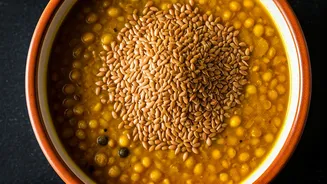
boost absorption by pairing these foods with a source of Vitamin C. This simple trick helps your body make the most of the iron you consume, fighting fatigue and boosting energy levels. How to do it: Squeeze a wedge of lemon over your dal or lentil soup. Add chopped tomatoes and bell peppers (capsicum) to your palak sabzi. Enjoy a small glass of orange juice with your bean-based breakfast. It’s a small step that makes your meal nutritionally smarter.
2. Make Protein the Star of Every Meal
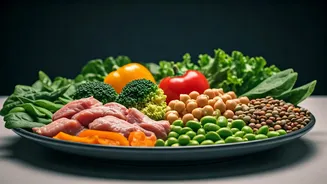
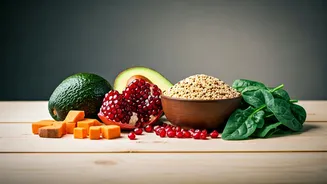
It's easy for vegetarian meals to become carb-dominant, leaving you feeling hungry again soon after eating. A simple habit to change this is to consciously make a protein source the main event of every meal. Protein is crucial for muscle repair, immune function, and, importantly, satiety—the feeling of fullness. Prioritising it ensures you stay fuller for longer, stabilises blood sugar, and reduces cravings for unhealthy snacks. How to do it: Don't just rely on dal and paneer. Diversify your protein intake with chickpeas, rajma, tofu, soya chunks, quinoa, and a variety of nuts and seeds. Aim to have a dedicated protein component in your breakfast, lunch, and dinner, whether it’s a handful of almonds, a bowl of chana, or a serving of Greek yoghurt (dahi).
3. Eat a Rainbow of Vegetables Daily
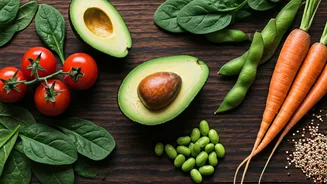
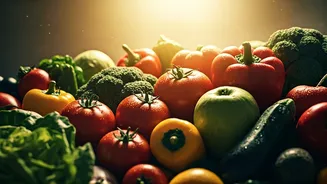
You’ve heard it before, but it’s a habit worth building. Different colours in fruits and vegetables signify the presence of different phytonutrients, antioxidants, and vitamins. Eating a wide variety of colours ensures you’re getting a broad spectrum of these powerful compounds, which protect your body from cellular damage and support overall health. A plate full of beige and brown might be comforting, but a colourful one is a sign of a nutrient-dense meal. How to do it: Challenge yourself to add one new colour to your plate each day. If your lunch is mostly green and white (spinach and paneer), throw in some red tomatoes or yellow bell peppers. Add purple cabbage to your salad or beetroot to your roti dough. It’s a visual and nutritional upgrade.
4. Introduce Fermented Foods for Gut Health
A healthy gut is the foundation of overall wellness, affecting everything from digestion and immunity to mood. Fermented foods are rich in probiotics, the beneficial bacteria that help maintain a healthy balance in your gut microbiome. Many traditional Indian foods are naturally fermented, making this an easy habit to incorporate. How to do it: Make dahi (yoghurt) a regular part of your diet. Enjoy naturally fermented foods like idli and dosa. Even homemade pickles (achar), consumed in moderation due to high salt content, can be a source of probiotics. Incorporating these foods helps support digestion and can lead to a stronger immune system.
5. Don't Fear Healthy Fats
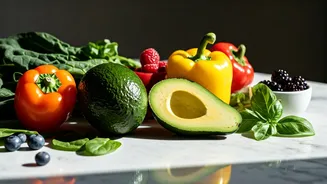
For decades, fat was unfairly demonised. We now know that healthy fats are essential for brain health, hormone production, and the absorption of fat-soluble vitamins (A, D, E, and K). Including good fats in your diet also contributes to satiety, keeping you full and satisfied after meals. The key is choosing the right kinds of fats. How to do it: Move away from highly processed oils and embrace whole food sources. Add a handful of walnuts or almonds to your morning oatmeal. Sprinkle flaxseeds or chia seeds on your yoghurt. Use avocado in sandwiches or salads. Cooking with cold-pressed oils like mustard, sesame, or groundnut oil in moderation is also a great way to include these essential nutrients.