





Peace Lily (Spathiphyllum)
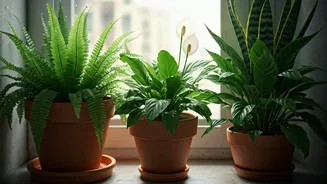
Known for its elegant white blooms and glossy, dark green leaves, the Peace Lily is a champion of humid environments. [5, 7] It not only tolerates but thrives in the moisture-rich air common during the Indian monsoon, making it an ideal indoor companion.
[10] These plants are also excellent at purifying the air by absorbing common toxins. [4, 16] In fact, they can help regulate indoor humidity, which can be a boon for those with respiratory conditions. [4] A Peace Lily can even absorb airborne mould spores, which are more common in damp weather. [6] For care, place it in a spot with low to medium indirect light and keep the soil consistently moist but not waterlogged. [16, 6]
Boston Fern (Nephrolepis exaltata)
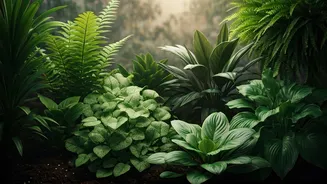
With its lush, feathery fronds, the Boston Fern is a classic choice for adding a touch of the tropics indoors. [22] Ferns are particularly well-suited to the monsoon season as they love moisture and higher humidity levels. [8, 22] These plants thrive in bright, indirect light; direct sun can scorch their delicate leaves. [27, 30] To keep your Boston Fern happy, ensure the soil remains evenly moist. [27] If the tips of the fronds start to brown, it's often a sign that the air is too dry, so the naturally humid conditions of the rainy season are perfect for it. [30]
Calathea (Prayer Plant)
Calatheas, often called prayer plants, are famous for their stunning, patterned foliage. Native to tropical rainforests, they are perfectly adapted to high-humidity environments. [12, 18] The increased humidity of the rainy season helps prevent the common issue of crispy, brown leaf edges that can occur in drier air. [18] These plants prefer bright, indirect sunlight, as direct rays can fade their vibrant colours. [2, 14] It's best to water them with filtered or rainwater, as they can be sensitive to chemicals in tap water. [2, 14] Keep the soil consistently moist but never soggy to see them flourish. [12]
Money Plant (Epipremnum aureum)
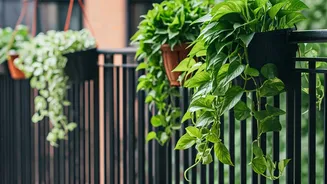
A staple in many Indian households, the Money Plant, or Pothos, is famously low-maintenance and adaptable. While it can tolerate a range of conditions, it truly thrives in high humidity. [7, 5] Its trailing, heart-shaped leaves can brighten any corner, and it's known for being an excellent air purifier. This hardy plant grows well in low or indirect light and is quite forgiving if you occasionally forget to water it, though it prefers its soil to be watered when the top inch feels dry. [7] The added moisture in the air during the monsoon gives it an extra boost, encouraging lush growth. [26]
Areca Palm (Dypsis lutescens)
For a truly tropical vibe, the Areca Palm is an excellent choice. Its feathery, arching fronds add elegance and a sense of volume to a room. [7] Areca Palms are known to be natural humidifiers, releasing moisture into the air, which helps keep indoor spaces cool and fresh during hot weather. [19, 23] They thrive in the bright, indirect light and higher humidity that the Indian monsoon season provides. [7, 19] Keep the soil moist, and you'll be rewarded with a vibrant, air-purifying plant that helps remove toxins like formaldehyde and xylene from your home. [7]
Spider Plant (Chlorophytum comosum)
The Spider Plant is one of the most resilient and easy-to-care-for houseplants, making it perfect for beginners. [3] With its arching leaves, it's a great choice for hanging baskets. [3] Spider plants are fantastic at increasing indoor humidity through a process called evapotranspiration. [3] They are well-adapted to thrive in moist air and can handle a variety of light conditions, though they prefer bright, indirect sunlight. [5, 3] Keeping the soil moist but not soggy will ensure this air-purifying plant, famously endorsed by a NASA study for its ability to remove toxins, stays healthy and produces plenty of 'spiderettes' to share. [3]